

Więcej o książce
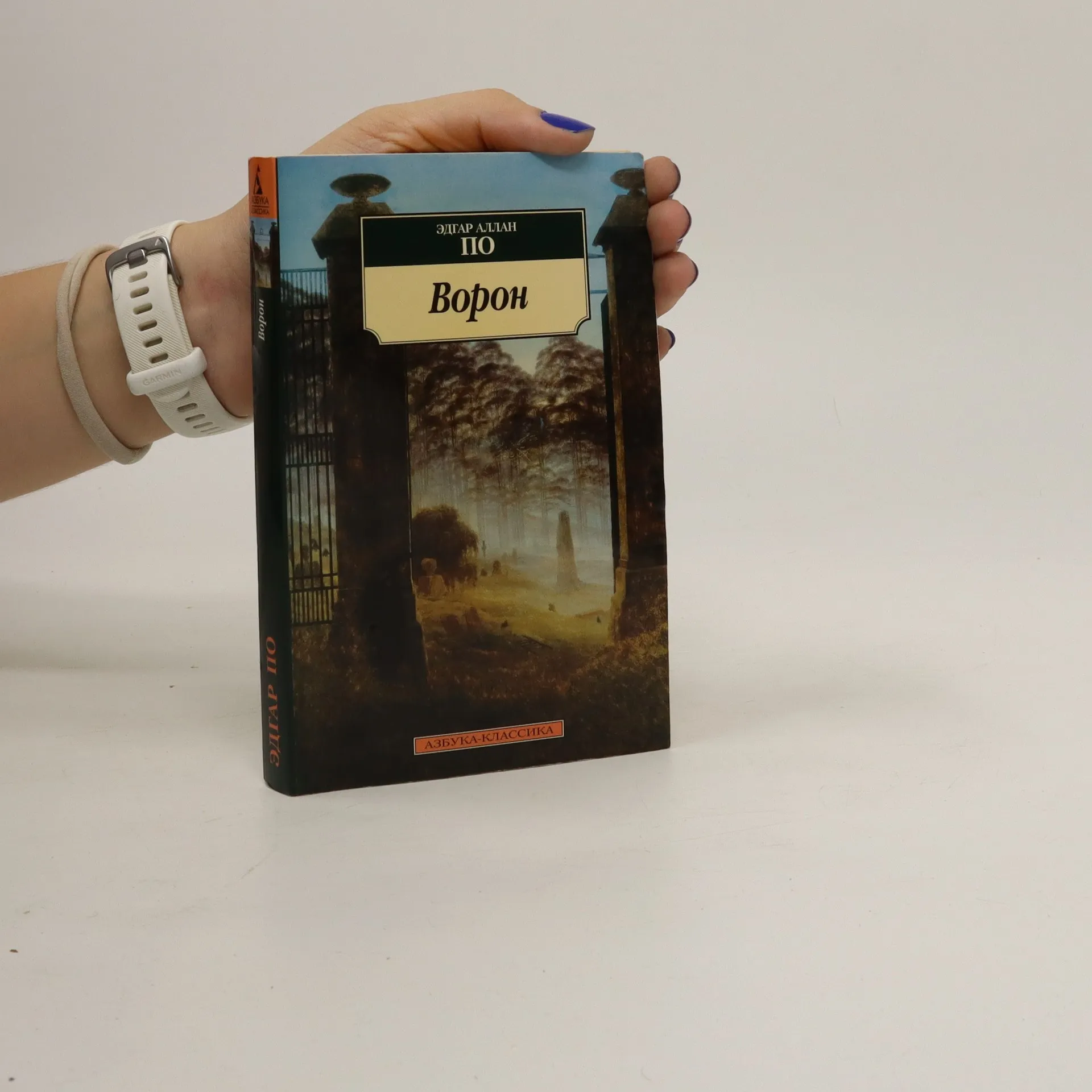
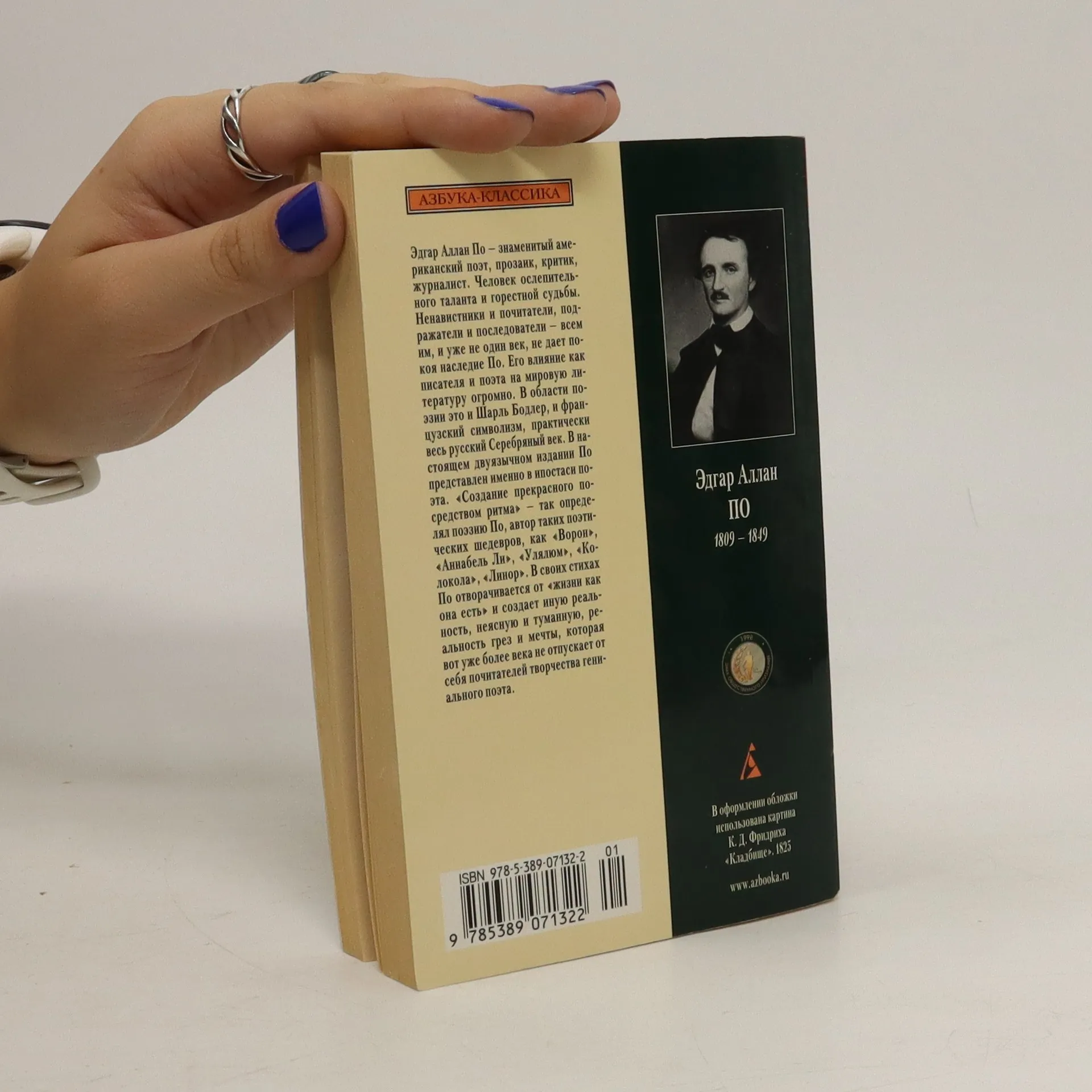
"The Raven" is a classic narrative poem by American writer Edgar Allan Poe. First published in January 1845, the poem is noted for its musicality, stylized language, and supernatural atmosphere. It tells of a talking raven's mysterious visit to a distraught lover, tracing the man's slow fall into madness. The lover, often identified as a student, laments the loss of his love, Lenore. Sitting on a bust of Pallas, the raven seems to further instigate his distress with its constant repetition of the word "Nevermore." The poem incorporates various folk, mythological, religious, and classical references. Poe claimed to have written the poem logically and methodically, intending to create a work that would appeal to both critical and popular tastes, as he explained in his essay, "The Philosophy of Composition." The poem was inspired in part by a talking raven in the novel "Barnaby Rudge" by Dickens.


Zakup książki
The raven, Edgar Allan Poe
- Język


- Rok wydania
- 2009
Metody płatności
Brakuje nam tutaj Twojej recenzji.
- Tytuł
- The raven
- Język
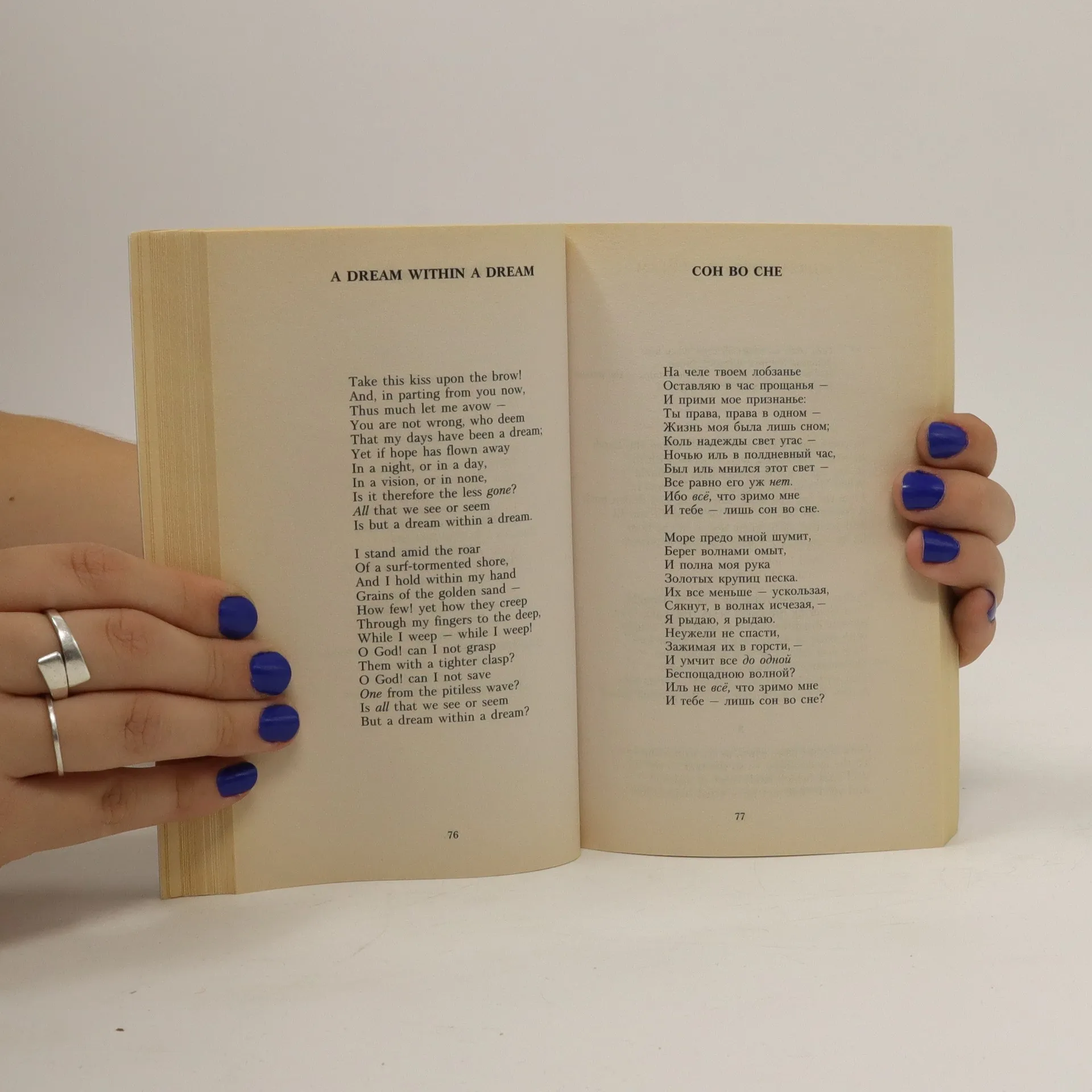
- angielski, rosyjski
- Autorzy
- Edgar Allan Poe
- Rok wydania
- 2009
- ISBN10
- 5389071328
- ISBN13
- 9785389071322
- Seria
- Tagi
- Tematyka filozoficzna, Miłość, Opowiadania, Szkoła, Śmierć, Prezenty dla mężczyzn, Strach, Mroczne, Liryka, Pragnienie, Gotyka, Wydanie dwujęzyczne, Narracja, Rozpacz, Smutne, Poetyka, Wrony & Kruki
- Pierwsze wydanie
- 1845
- Oryginalna nazwa
- The Raven
- Ocena
- 4,3 z 5
- Opis
- "The Raven" is a classic narrative poem by American writer Edgar Allan Poe. First published in January 1845, the poem is noted for its musicality, stylized language, and supernatural atmosphere. It tells of a talking raven's mysterious visit to a distraught lover, tracing the man's slow fall into madness. The lover, often identified as a student, laments the loss of his love, Lenore. Sitting on a bust of Pallas, the raven seems to further instigate his distress with its constant repetition of the word "Nevermore." The poem incorporates various folk, mythological, religious, and classical references. Poe claimed to have written the poem logically and methodically, intending to create a work that would appeal to both critical and popular tastes, as he explained in his essay, "The Philosophy of Composition." The poem was inspired in part by a talking raven in the novel "Barnaby Rudge" by Dickens.