



Więcej o książce
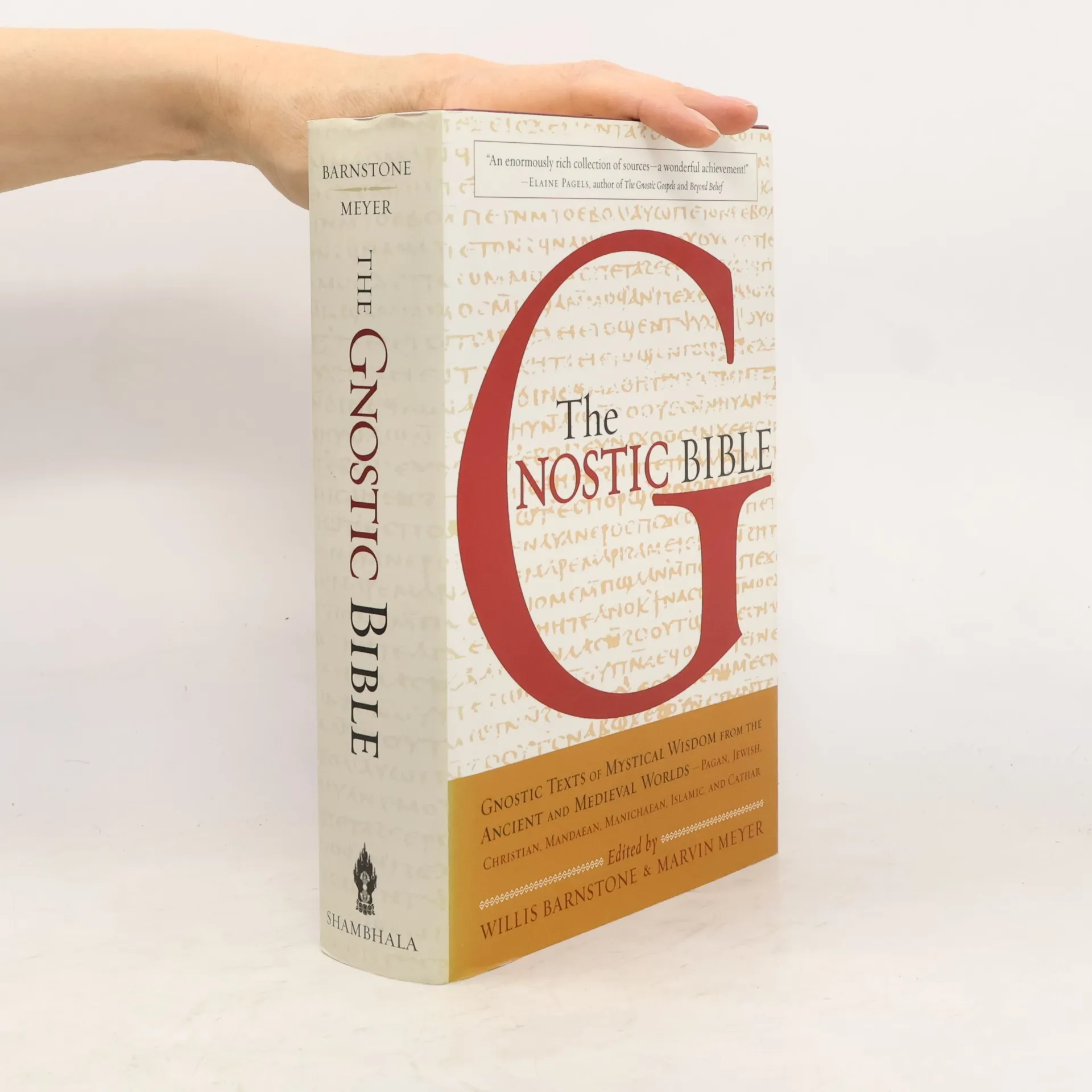
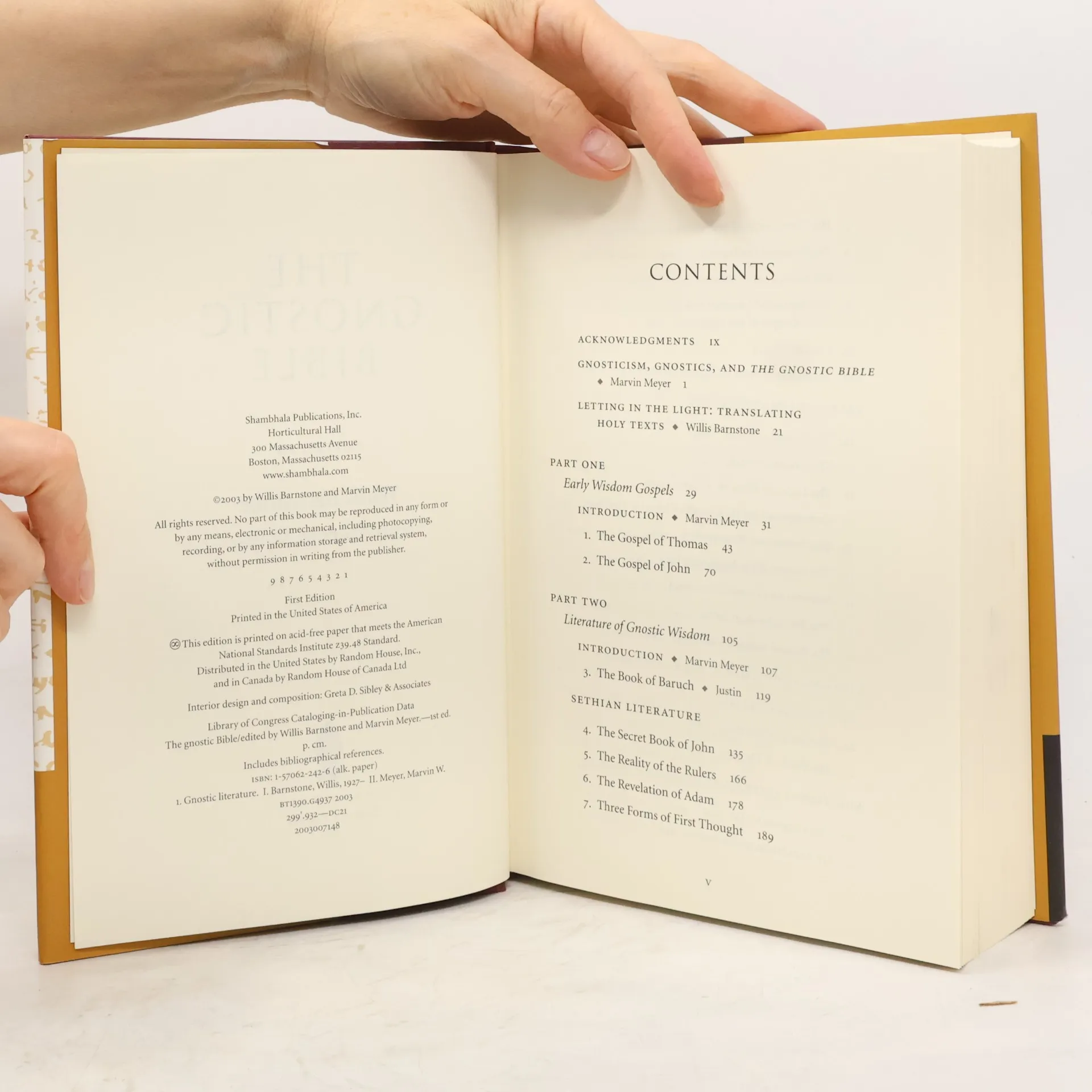
A collection of Gnostic texts spanning centuries, geographical locations, and cultural traditions—“a wonderful achievement” (Elaine Pagels, author of The Gnostic Gospels) Gnosticism was a wide-ranging religious movement of the first millennium CE—with earlier antecedents and later flourishings—whose adherents sought salvation through knowledge and personal religious experience. Gnostic writings offer striking perspectives on both early Christian and non-Christian thought. For example, some gnostic texts suggest that god should be celebrated as both mother and father, and that self-knowledge is the supreme path to the divine. Only in the past fifty years has it become clear how far the gnostic influence spread in ancient and medieval religions—and what a marvelous body of scriptures it produced. The selections gathered here in poetic, readable translation represent Jewish, Christian, Hermetic, Mandaean, Manichaean, Islamic, and Cathar expressions of gnostic spirituality. Their regions of origin include Egypt, the Greco-Roman world, the Middle East, Syria, Iraq, China, and France. Also included are introductions, notes, an extensive glossary, and a wealth of suggestions for further reading.


Zakup książki
The Gnostic Bible, Willis Barnstone, Marvin W. Meyer
- Język

- Rok wydania
- 2003
- Oprawa
- (twarda)
Metody płatności
Brakuje nam tutaj Twojej recenzji.
- Tytuł
- The Gnostic Bible
- Język
- angielski
- Autorzy
- Willis Barnstone, Marvin W. Meyer
- Wydawca
- Shambhala Publications
- Rok wydania
- 2003
- Oprawa
- twarda
- ISBN10
- 1570622426
- ISBN13
- 9781570622427
- Seria
- Kategorie
- Tagi
- Tematy historyczne, Tematy religijne, Tematyka filozoficzna, Duchowość, Tematy chrześcijańskie, Gnostycyzm
- Ocena
- 4,25 z 5
- Opis
- A collection of Gnostic texts spanning centuries, geographical locations, and cultural traditions—“a wonderful achievement” (Elaine Pagels, author of The Gnostic Gospels) Gnosticism was a wide-ranging religious movement of the first millennium CE—with earlier antecedents and later flourishings—whose adherents sought salvation through knowledge and personal religious experience. Gnostic writings offer striking perspectives on both early Christian and non-Christian thought. For example, some gnostic texts suggest that god should be celebrated as both mother and father, and that self-knowledge is the supreme path to the divine. Only in the past fifty years has it become clear how far the gnostic influence spread in ancient and medieval religions—and what a marvelous body of scriptures it produced. The selections gathered here in poetic, readable translation represent Jewish, Christian, Hermetic, Mandaean, Manichaean, Islamic, and Cathar expressions of gnostic spirituality. Their regions of origin include Egypt, the Greco-Roman world, the Middle East, Syria, Iraq, China, and France. Also included are introductions, notes, an extensive glossary, and a wealth of suggestions for further reading.