


Parametry
- 120 stron
- 5 godzin czytania
Więcej o książce
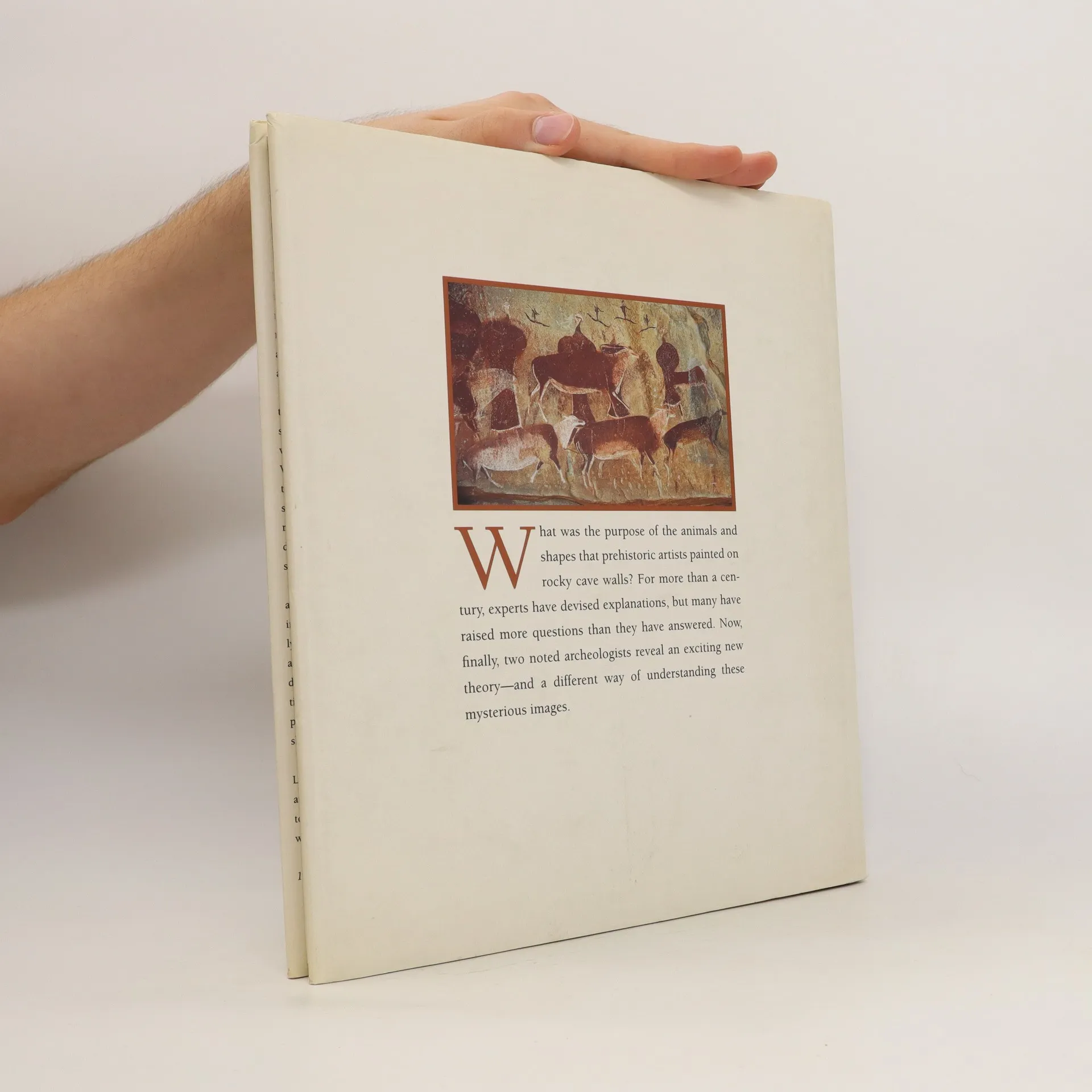
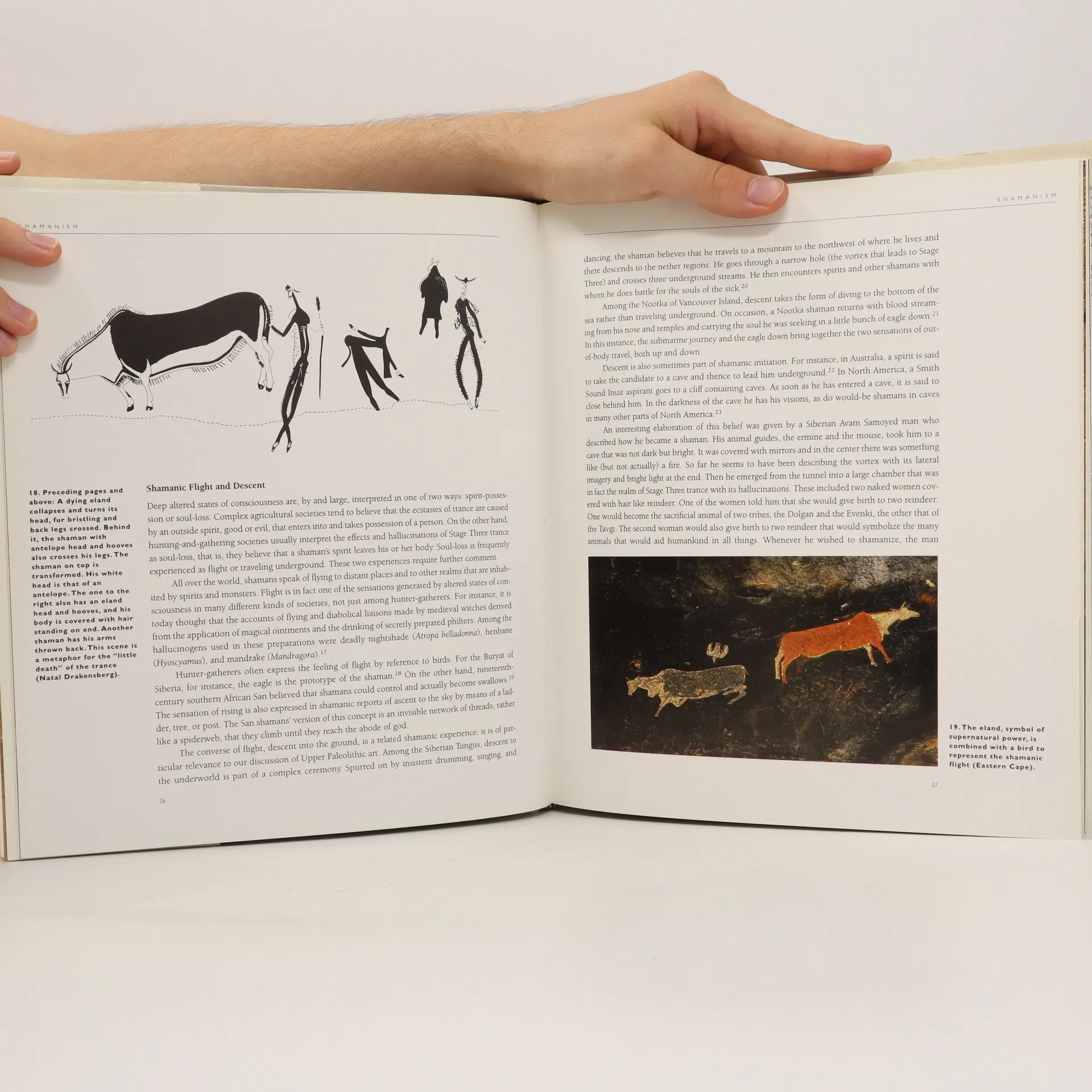
The universality of shamanistic power and practice among today's hunter-gatherers - along with the similarity of rock art found in varied sites around the world - has led Jean Clottes and David Lewis-Williams to suggest in this new book that the great art of paleolithic caves can be best understood through the lens of shamanism. Indeed, this is not a monograph on a particular site, but a general discussion of the art of painted caves and their shamanistic meaning. Through the authors' revealing words and the abundant full-color illustrations, we follow shamans into their trance states, and we watch as they carefully paint and engrave on rock surfaces the shapes of animals whose power they seek. As we learn how drawings and rituals were likely modes of shamanistic contact, we understand best the actions, accomplishments, and traces left behind by prehistoric shamans

Zakup książki
Shamans of Prehistory, David K. Lewis, Jean Clottes
- Język

- Rok wydania
- 1998
- Oprawa
- (twarda)
Metody płatności
Brakuje nam tutaj Twojej recenzji.
- Tytuł
- Shamans of Prehistory
- Język
- angielski
- Autorzy
- David K. Lewis, Jean Clottes
- Wydawca
- Harry N. Abrams
- Rok wydania
- 1998
- Oprawa
- twarda
- Liczba stron
- 120
- ISBN10
- 0810941821
- ISBN13
- 9780810941823
- Seria
- Kategorie
- Ocena
- 4,15 z 5
- Opis
- The universality of shamanistic power and practice among today's hunter-gatherers - along with the similarity of rock art found in varied sites around the world - has led Jean Clottes and David Lewis-Williams to suggest in this new book that the great art of paleolithic caves can be best understood through the lens of shamanism. Indeed, this is not a monograph on a particular site, but a general discussion of the art of painted caves and their shamanistic meaning. Through the authors' revealing words and the abundant full-color illustrations, we follow shamans into their trance states, and we watch as they carefully paint and engrave on rock surfaces the shapes of animals whose power they seek. As we learn how drawings and rituals were likely modes of shamanistic contact, we understand best the actions, accomplishments, and traces left behind by prehistoric shamans