

Parametry
- 96 stron
- 4 godziny czytania
Więcej o książce
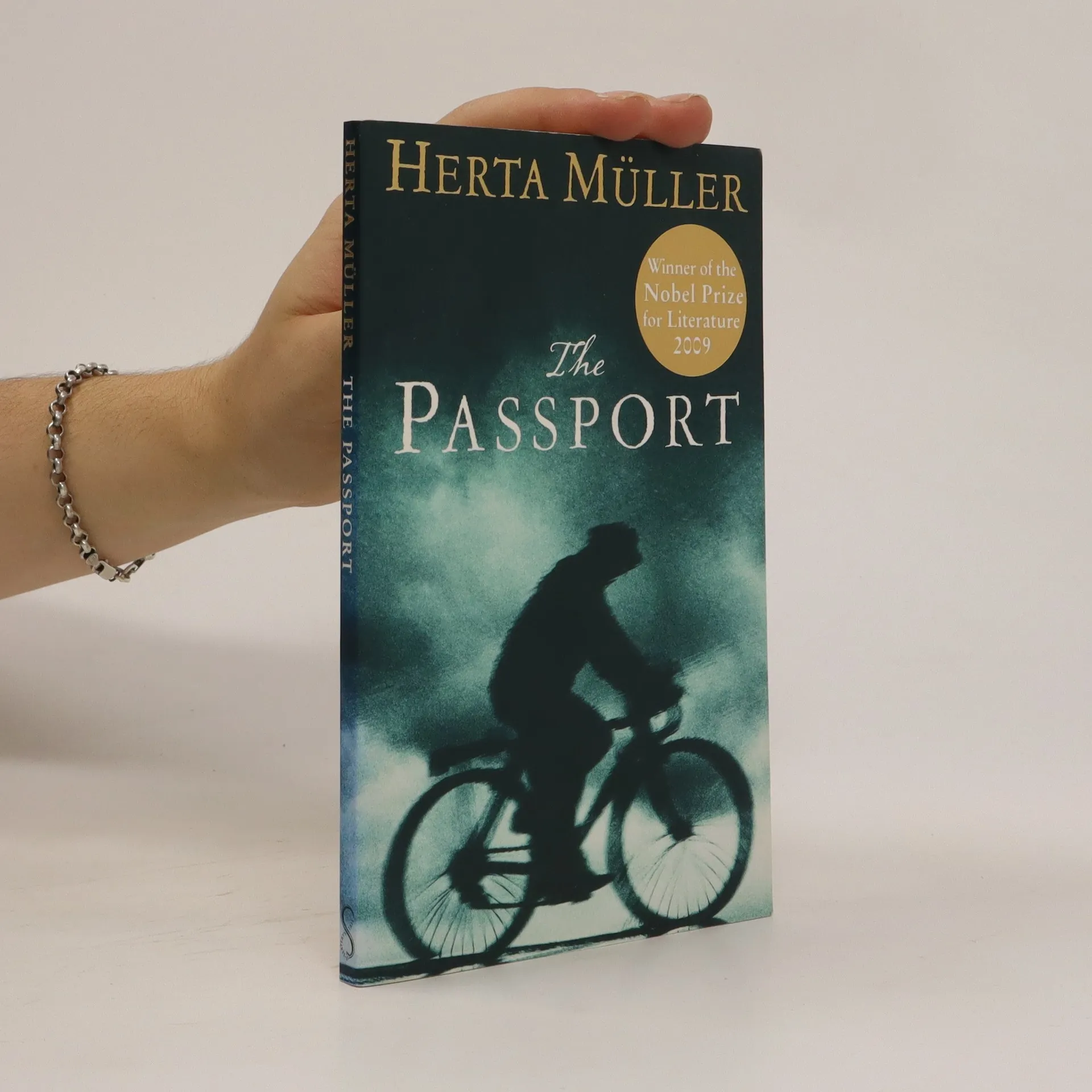
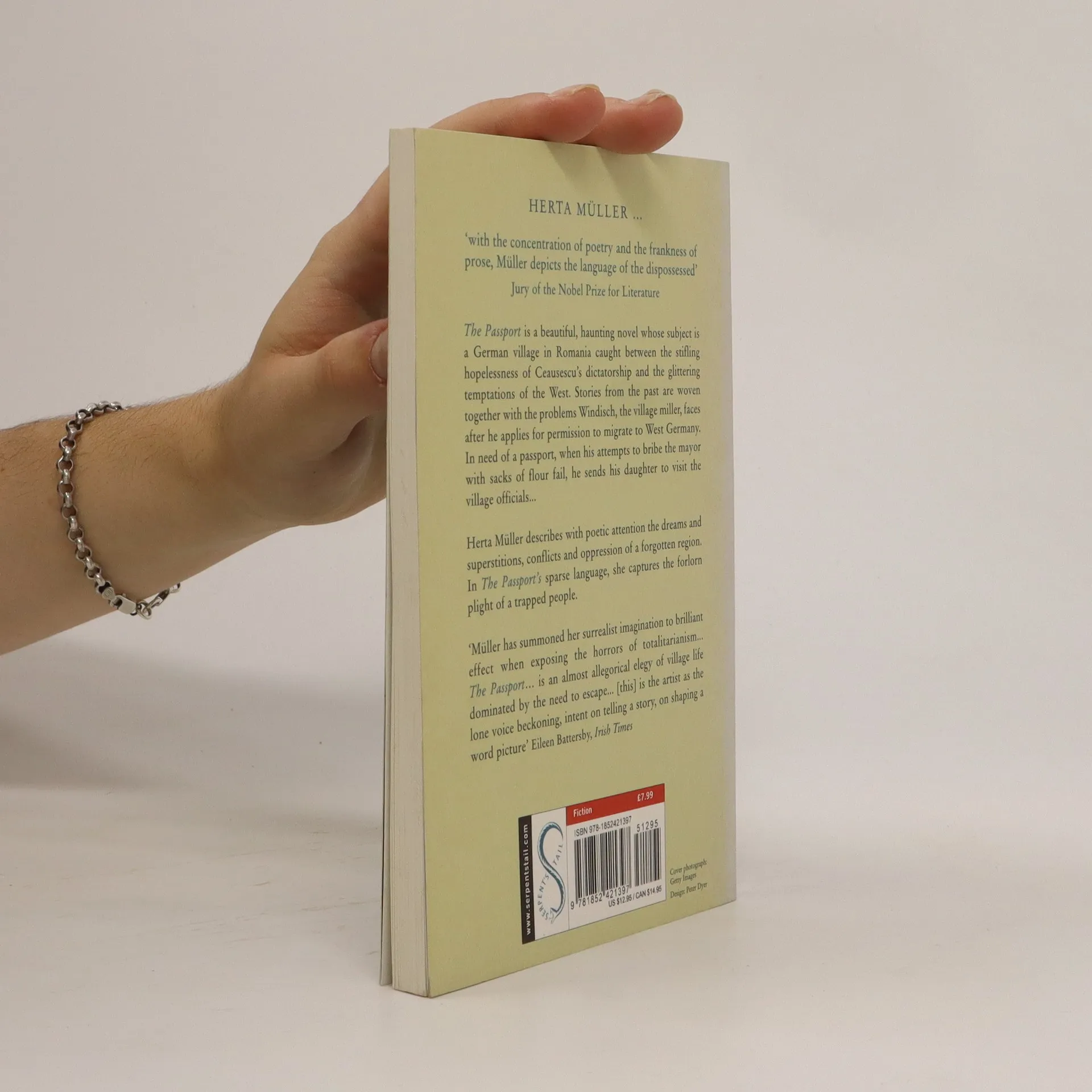
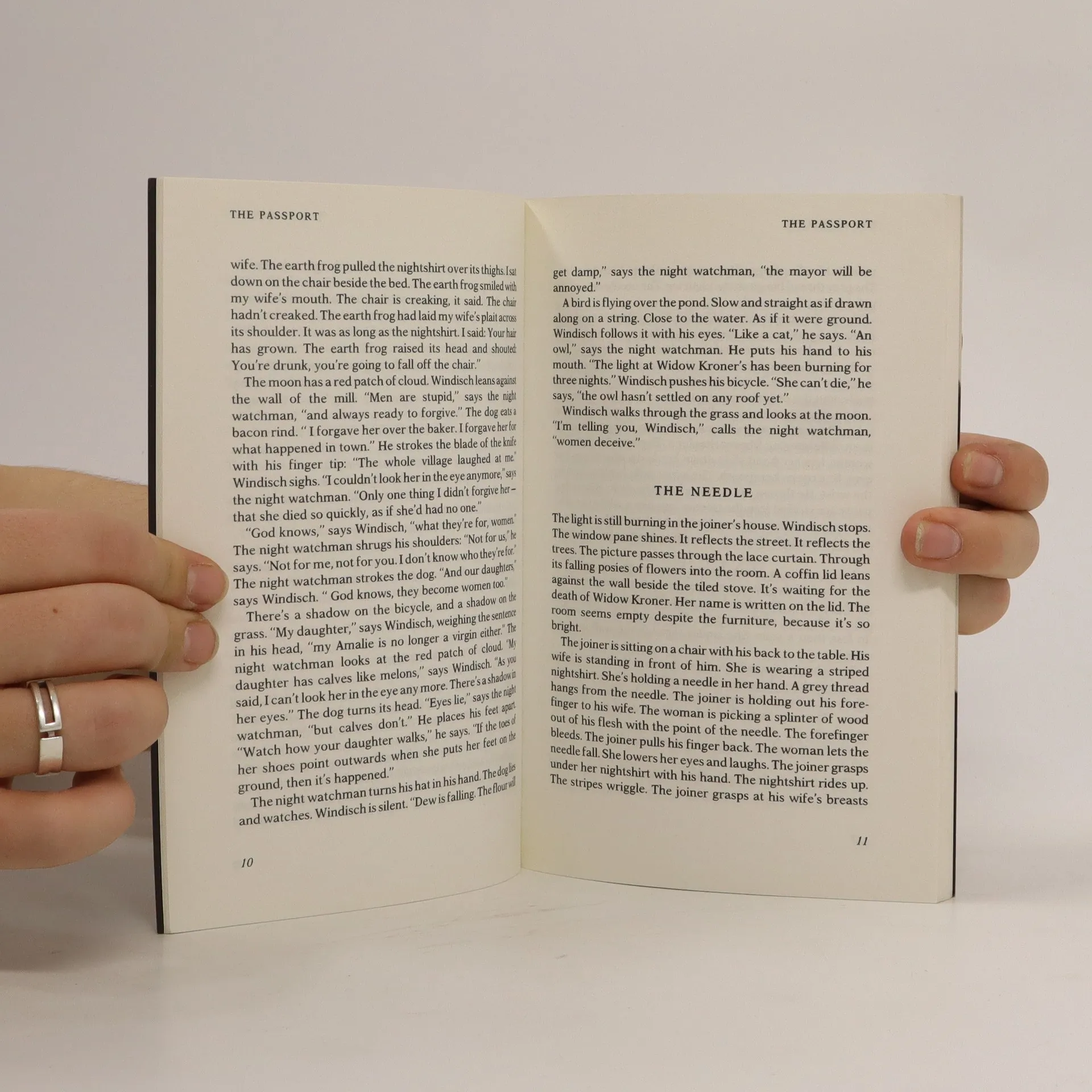
From the winner of the 2009 Nobel Prize in Literature“[The Passport] has the same clipped prose cadences as Nadirs, this time applied to evoke the trapped mentality of a man so desperate for freedom that he views everything through a temporal lens, like a prisoner staring at a calendar in his cell.”—Wall Street Journal“A swift, stinging narrative, fable-like in its stoic concision and painterly detail.”—The Philadelphia InquirerThe Passport is a beautiful, haunting novel whose subject is a German village in Romania caught between the stifling hopelessness of Ceausescu’s dictatorship and the glittering temptations of life in the West. Stories from the past are woven together with the problems Windisch, the village miller, faces after he applies for permission to migrate to West Germany. Herta Müller (Herta Mueller) describes with poetic attention the dreams and superstitions, conflicts and oppression of a forgotten region, the Banat, in the Danube Plain. In sparse, poetic language, Muller captures the forlorn plight of a trapped people.




Zakup książki
The passport, Herta Müller
- Język

- Rok wydania
- 2009
- Oprawa
- (miękka)
Metody płatności
Brakuje nam tutaj Twojej recenzji.
- Tytuł
- The passport
- Język
- angielski
- Autorzy
- Herta Müller
- Wydawca
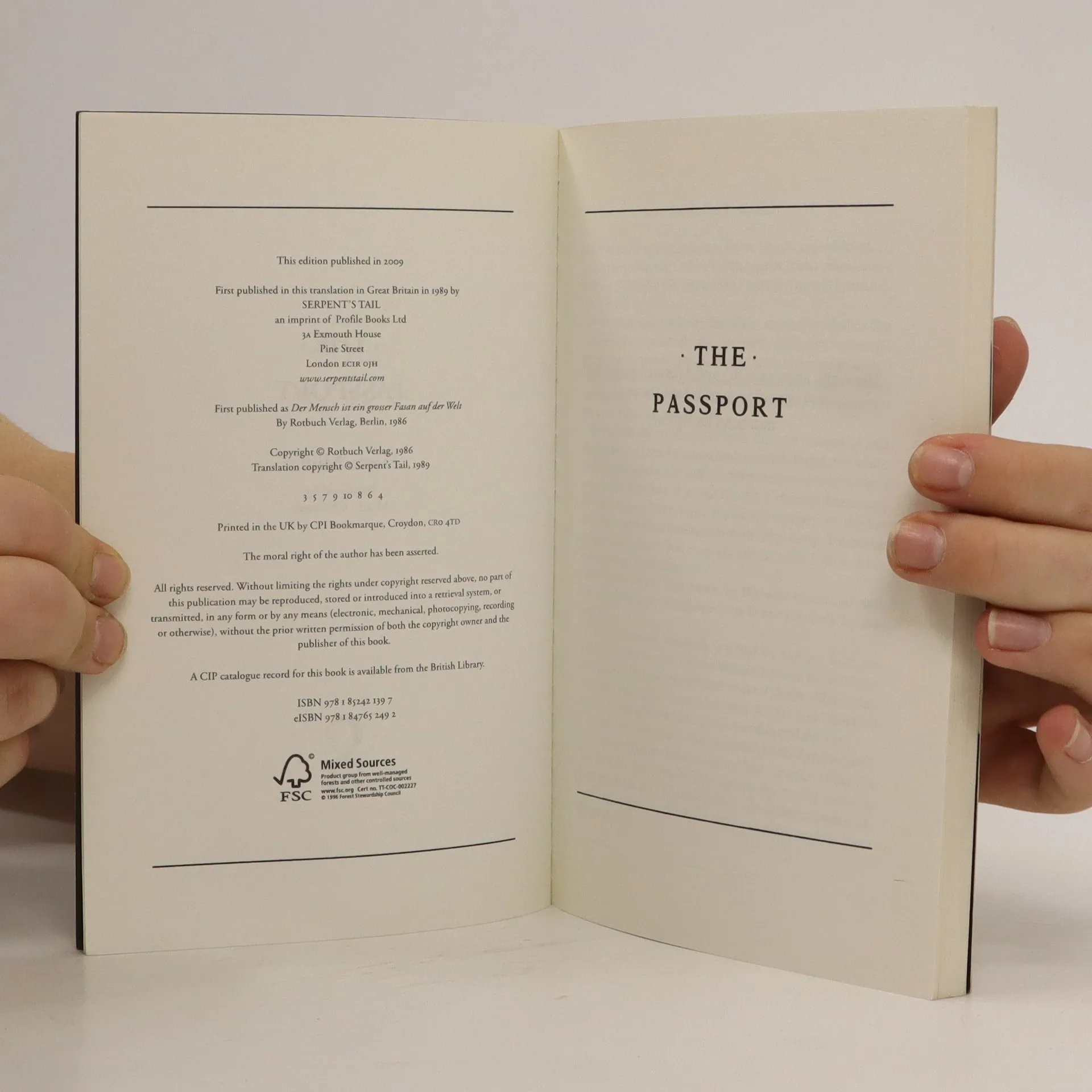
- Serpent's Tail
- Rok wydania
- 2009
- Oprawa
- miękka
- Liczba stron
- 96
- ISBN10
- 1852421398
- ISBN13
- 9781852421397
- Seria
- Tagi
- Literatura niemiecka, Opowiadania, Przyjaźń, Niemcy, Nowele, Nagroda Nobla, Narracja, Korupcja, Wioski, Rumunia, Literatura rumuńska, Niemcy, Nieufność
- Pierwsze wydanie
- 1986
- Oryginalna nazwa
- Der Mensch ist ein großer Fasan auf der Welt
- Ocena
- 3,25 z 5
- Opis
- From the winner of the 2009 Nobel Prize in Literature“[The Passport] has the same clipped prose cadences as Nadirs, this time applied to evoke the trapped mentality of a man so desperate for freedom that he views everything through a temporal lens, like a prisoner staring at a calendar in his cell.”—Wall Street Journal“A swift, stinging narrative, fable-like in its stoic concision and painterly detail.”—The Philadelphia InquirerThe Passport is a beautiful, haunting novel whose subject is a German village in Romania caught between the stifling hopelessness of Ceausescu’s dictatorship and the glittering temptations of life in the West. Stories from the past are woven together with the problems Windisch, the village miller, faces after he applies for permission to migrate to West Germany. Herta Müller (Herta Mueller) describes with poetic attention the dreams and superstitions, conflicts and oppression of a forgotten region, the Banat, in the Danube Plain. In sparse, poetic language, Muller captures the forlorn plight of a trapped people.