

Parametry
- 223 strony
- 8 godzin czytania
Więcej o książce
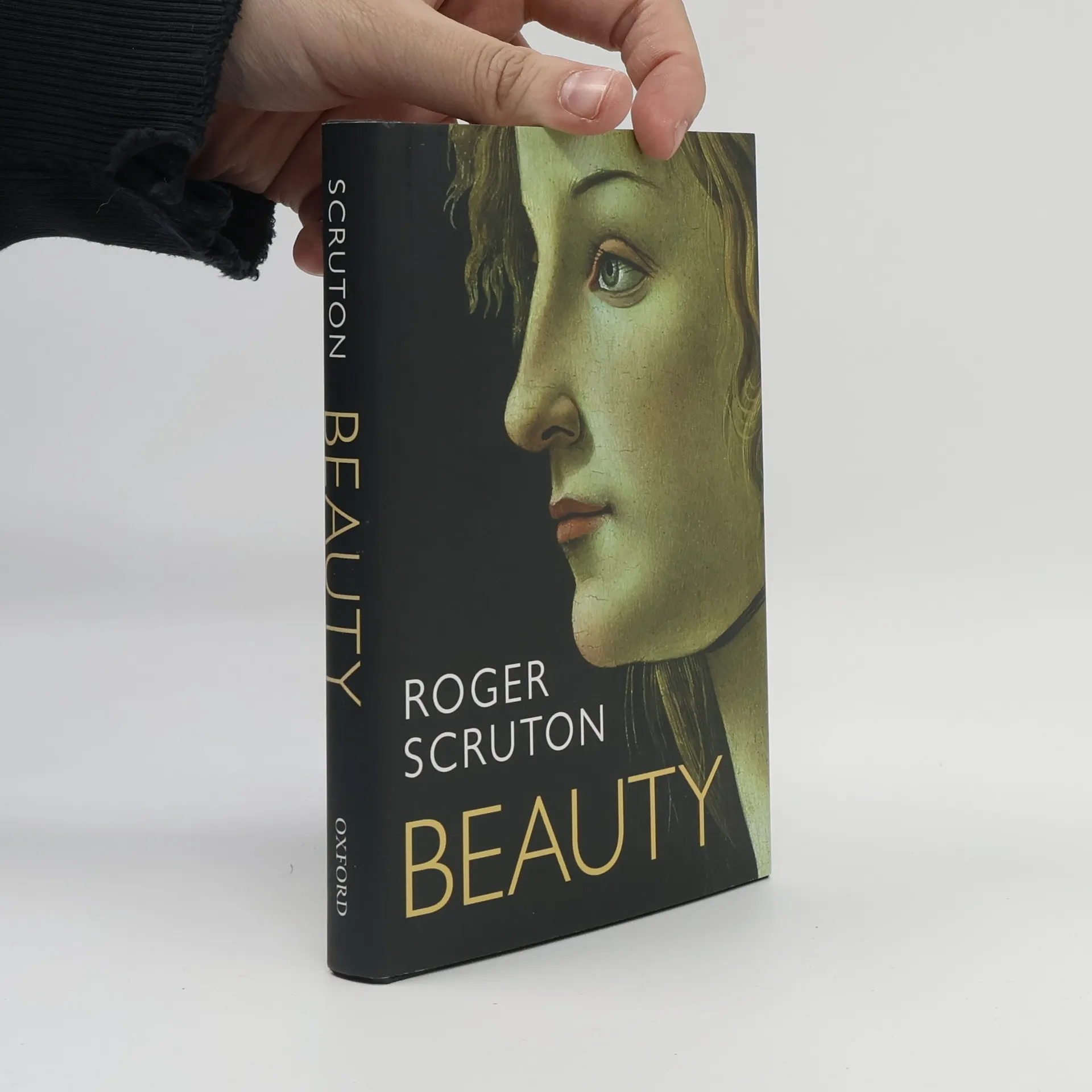
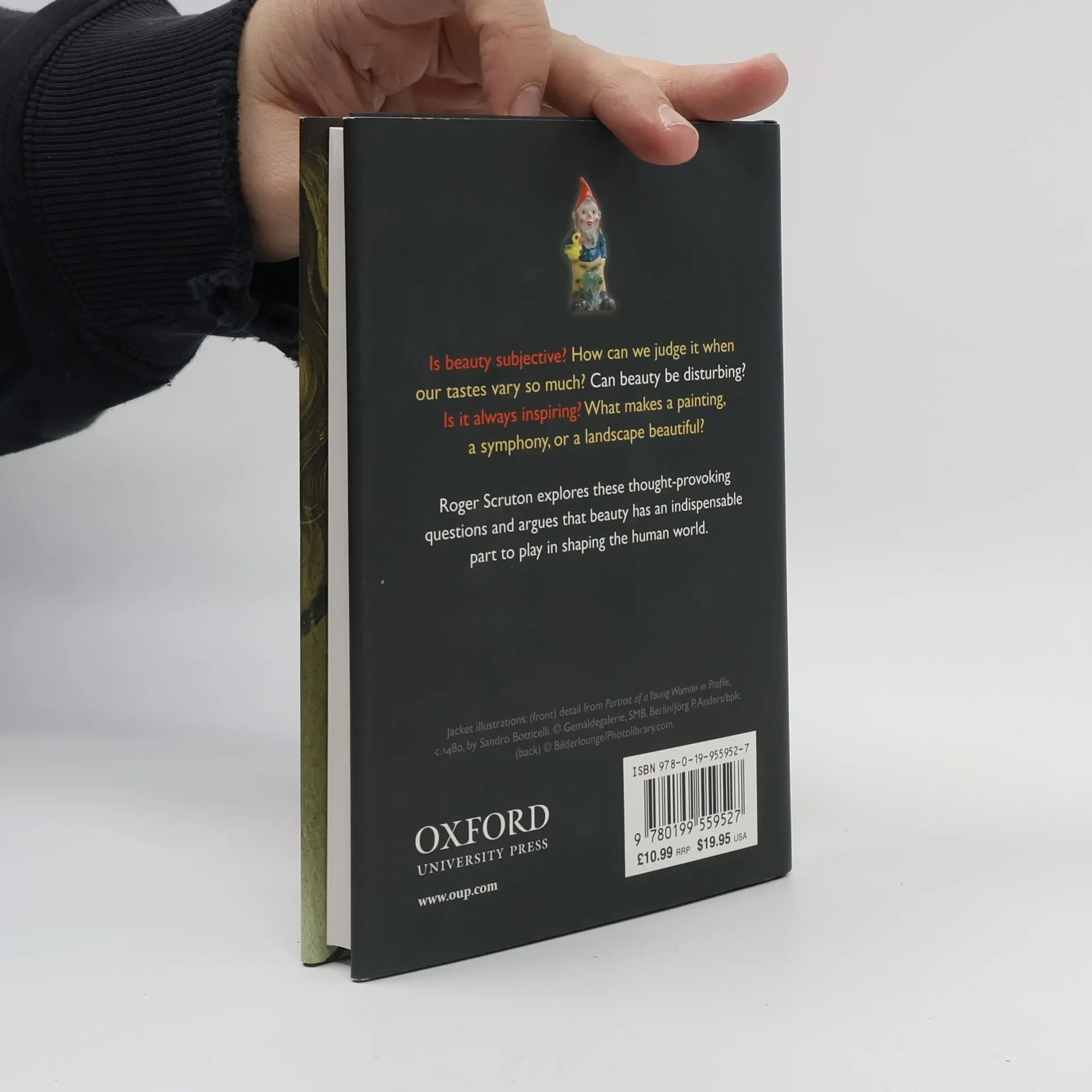
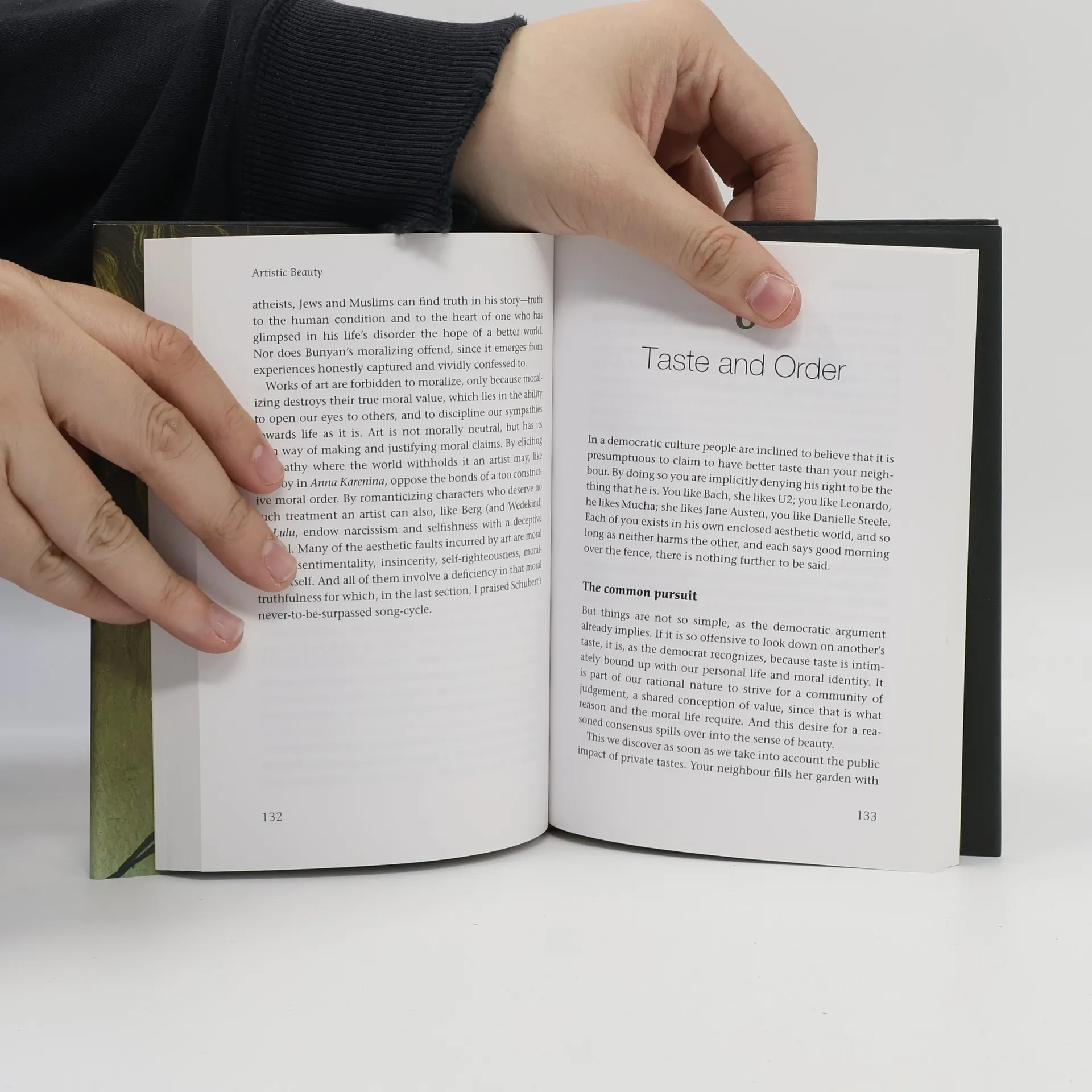
"Beauty can be consoling, disturbing, sacred, profane," writes Roger Scruton, who delves into this timeless concept in a beautifully crafted text. He explores what makes an object—whether in art, nature, or the human form—beautiful. This compact volume is rich with insights, offering original thoughts on nearly every page. Scruton raises questions about dangerous, corrupting, and immoral beauties, citing the prose of Flaubert, the imagery of Baudelaire, and the harmonies of Wagner, all of which have faced accusations of immorality for their alluring depictions of wickedness. He compares the beauty of a classical temple to that of a concrete office block and a Rembrandt to an Andy Warhol Campbell Soup Can, pondering whether certain artworks can ravish when they should disturb. While debates about beauty abound, Scruton asserts that beauty is a real and universal value, rooted in our rational nature, and plays a crucial role in shaping the human experience. This forthright and thought-provoking meditation on beauty is both accessible and stimulating, drawing conclusions that may be controversial but ultimately guide us toward a deeper appreciation of the beautiful objects in our lives.




Zakup książki
Beauty, Roger Scruton
- Język

- Rok wydania
- 2009
- Oprawa
- (twarda)
Metody płatności
Brakuje nam tutaj Twojej recenzji.
- Tytuł
- Beauty
- Język
- angielski
- Autorzy
- Roger Scruton
- Wydawca
- Oxford University Press
- Rok wydania
- 2009
- Oprawa
- twarda
- Liczba stron
- 223
- ISBN10
- 019955952X
- ISBN13
- 9780199559527
- Seria
- Kategorie
- Tagi
- Tematy historyczne, Tematyka psychologiczna, Tematyka filozoficzna, Sztuka, Architektura, Kultura & Społeczeństwo
- Oryginalna nazwa
- Beauty
- Ocena
- 4,05 z 5
- Opis
- "Beauty can be consoling, disturbing, sacred, profane," writes Roger Scruton, who delves into this timeless concept in a beautifully crafted text. He explores what makes an object—whether in art, nature, or the human form—beautiful. This compact volume is rich with insights, offering original thoughts on nearly every page. Scruton raises questions about dangerous, corrupting, and immoral beauties, citing the prose of Flaubert, the imagery of Baudelaire, and the harmonies of Wagner, all of which have faced accusations of immorality for their alluring depictions of wickedness. He compares the beauty of a classical temple to that of a concrete office block and a Rembrandt to an Andy Warhol Campbell Soup Can, pondering whether certain artworks can ravish when they should disturb. While debates about beauty abound, Scruton asserts that beauty is a real and universal value, rooted in our rational nature, and plays a crucial role in shaping the human experience. This forthright and thought-provoking meditation on beauty is both accessible and stimulating, drawing conclusions that may be controversial but ultimately guide us toward a deeper appreciation of the beautiful objects in our lives.