



Parametry
- 317 stron
- 12 godzin czytania
Więcej o książce
An enormously popular (7-million copies sold) and insightful classic of popular psychology based on Eric Berne’s theory of Transactional Analysis that has helped millions of people who never before felt OK about themselves find the freedom to change, to liberate their ADULT effectiveness, and to achieve joyful intimacy with the people in their lives. Transactional analysis delineates three ego-states (parent, adult and child) as the basis for the content and quality of interpersonal communication. “Happy childhood” notwithstanding, says Harris, most of us are living out the not ok feelings of a defenseless child wholly dependent on ok others (parents) for stroking and caring. At some stage early in our lives we adopt a “position” about ourselves which very significantly determines how we feel about ourselves, particularly in relation to other people. And for a huge portion of the population, that position is that I’m Not OK-You’re OK. This negative Life Position, shared by successful and unsuccessful people alike, contaminates our rational adult potential, leaving us vulnerable to the inappropriate, emotional reactions of our child and the uncritically learned behavior programmed into our parent. By exploring the four basic “life positions,” we can radically change our lives.




Zakup książki
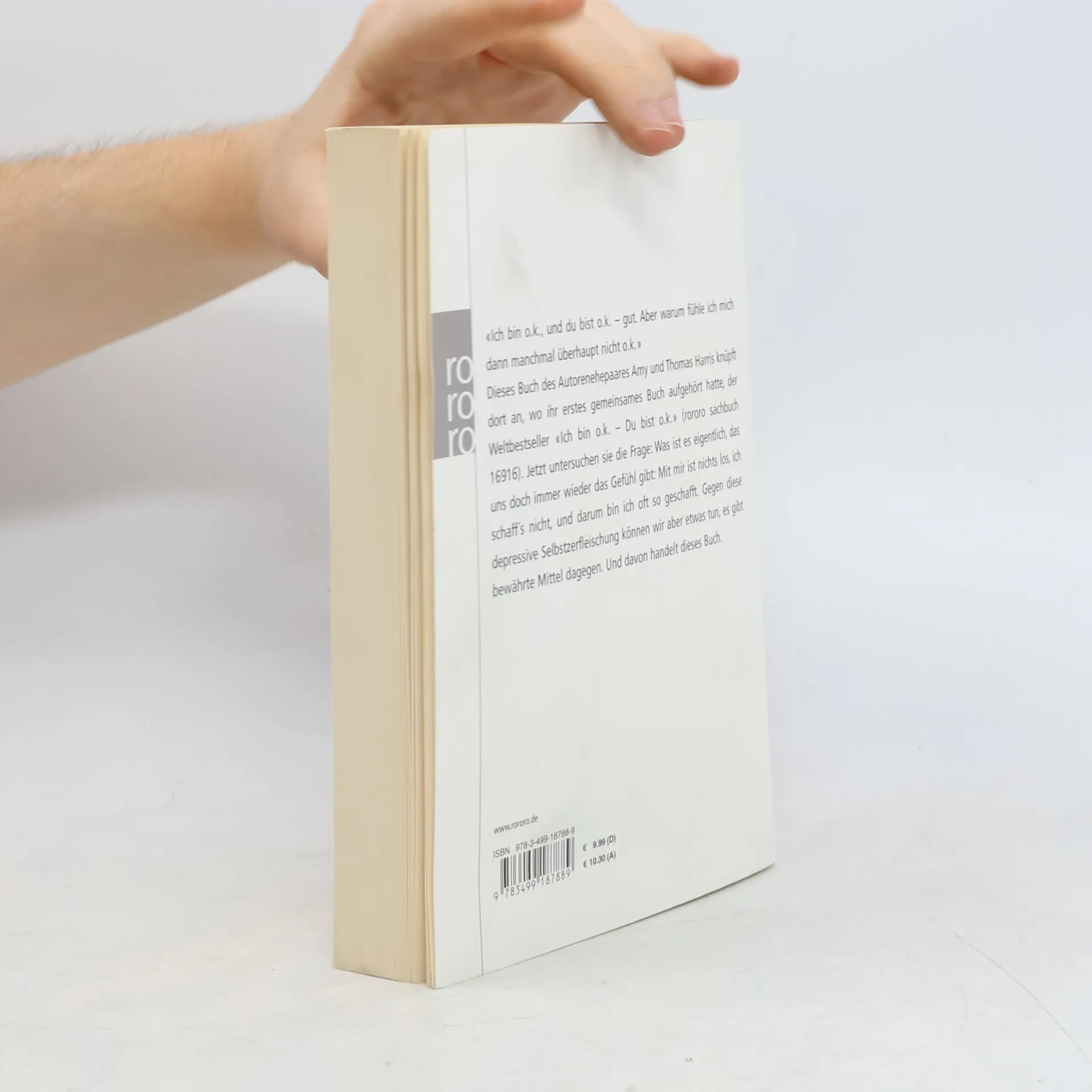
Einmal ok immer ok, Amy Bjork Harris
- Język

- Rok wydania
- 2008
- Oprawa
- (miękka),
- Stan książki
- Dobry
- Cena
- 17,69 zł
Metody płatności
Brakuje nam tutaj Twojej recenzji.
- Tytuł
- Einmal ok immer ok
- Język
- niemiecki
- Autorzy
- Amy Bjork Harris
- Wydawca
- Rowohlt-Taschenbuch-Verl.
- Rok wydania
- 2008
- Oprawa
- miękka
- Liczba stron
- 317
- ISBN10
- 3499187884
- ISBN13
- 9783499187889
- Seria
- Tagi
- Tematyka psychologiczna, Poradniki, Nauka, Relacje, Prezenty dla kobiet, Zdrowie psychiczne, Amerykanie, Analiza transakcyjna
- Pierwsze wydanie
- 1968
- Oryginalna nazwa
- I'm OK--You're OK
- Ocena
- 3,75 z 5
- Opis
- An enormously popular (7-million copies sold) and insightful classic of popular psychology based on Eric Berne’s theory of Transactional Analysis that has helped millions of people who never before felt OK about themselves find the freedom to change, to liberate their ADULT effectiveness, and to achieve joyful intimacy with the people in their lives. Transactional analysis delineates three ego-states (parent, adult and child) as the basis for the content and quality of interpersonal communication. “Happy childhood” notwithstanding, says Harris, most of us are living out the not ok feelings of a defenseless child wholly dependent on ok others (parents) for stroking and caring. At some stage early in our lives we adopt a “position” about ourselves which very significantly determines how we feel about ourselves, particularly in relation to other people. And for a huge portion of the population, that position is that I’m Not OK-You’re OK. This negative Life Position, shared by successful and unsuccessful people alike, contaminates our rational adult potential, leaving us vulnerable to the inappropriate, emotional reactions of our child and the uncritically learned behavior programmed into our parent. By exploring the four basic “life positions,” we can radically change our lives.