

Więcej o książce
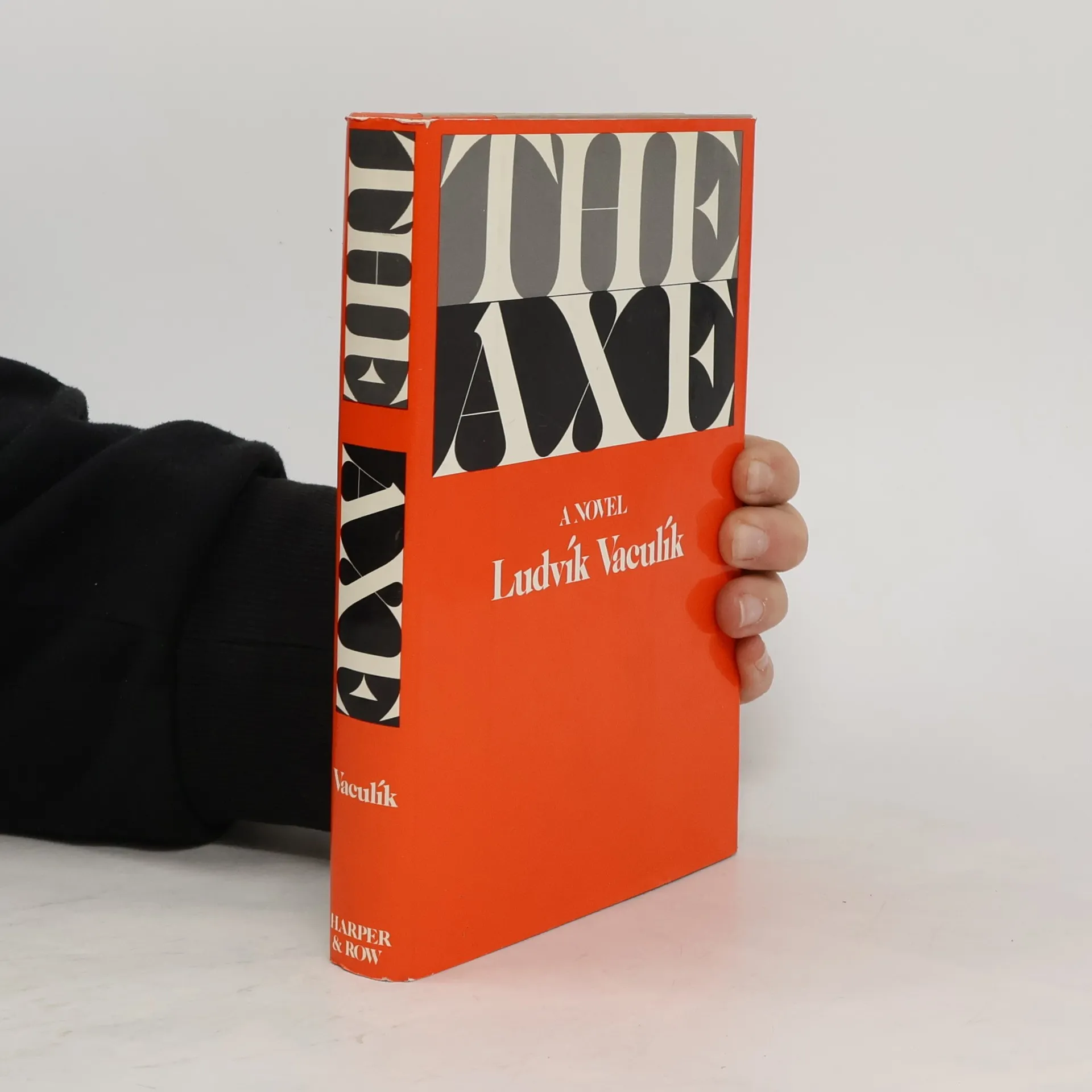
Alongside Milan Kundera's The Joke, The Axe was one of the most influential novels to appear in Czechoslovakia during the cultural reawakening of the 1960s. Blending lyricism and iconoclasm, Vaculik portrays a culture in upheaval through the timeless story of father and son, joined by idealism but separated by a changing world. It is the mid-1960s, and in Czechoslovakia communist ideology is fading. One disillusioned, middle-aged journalist retreats from the politics of Prague to the Moravian countryside of his childhood. There he rediscovers a complex relationship with his dead father, a crusader for communism in the early days, who reappears through letters written decades earlier. When the narrator is accused of disgracing his father and his proletariat background, he realizes that he, too, is a leader - but the stakes now are reversed. He finds new relevance in his father's words: "An extraordinary time requires extraordinary measures." But now the son continues, "I followed the Party line in the first phase of my political life. In the next phase I tried to get rid of it when it prevented me from thinking for myself."


Zakup książki
The Axe, Ludvík Vaculík
- Język

- Rok wydania
- Oprawa
- (twarda)
Metody płatności
Brakuje nam tutaj Twojej recenzji.
- Tytuł
- The Axe
- Język
- angielski
- Autorzy
- Ludvík Vaculík
- Wydawca
- Harper and Row
- Oprawa
- twarda
- Liczba stron
- 222
- ISBN10
- 0060144866
- ISBN13
- 9780060144869
- Seria
- Tagi
- Literatura czeska, Polityka, Historia Czech & Słowacji, Relacje, Praga, Komunizm, Relacje rodzinne, Literatura patriotyczna & Emigracyjna, Narracja, Totalitaryzm, Dialekty, Rok 1968, Kolektywizacja
- Oryginalna nazwa
- Sekyra
- Ocena
- 3,8 z 5
- Opis
- Alongside Milan Kundera's The Joke, The Axe was one of the most influential novels to appear in Czechoslovakia during the cultural reawakening of the 1960s. Blending lyricism and iconoclasm, Vaculik portrays a culture in upheaval through the timeless story of father and son, joined by idealism but separated by a changing world. It is the mid-1960s, and in Czechoslovakia communist ideology is fading. One disillusioned, middle-aged journalist retreats from the politics of Prague to the Moravian countryside of his childhood. There he rediscovers a complex relationship with his dead father, a crusader for communism in the early days, who reappears through letters written decades earlier. When the narrator is accused of disgracing his father and his proletariat background, he realizes that he, too, is a leader - but the stakes now are reversed. He finds new relevance in his father's words: "An extraordinary time requires extraordinary measures." But now the son continues, "I followed the Party line in the first phase of my political life. In the next phase I tried to get rid of it when it prevented me from thinking for myself."