



Więcej o książce
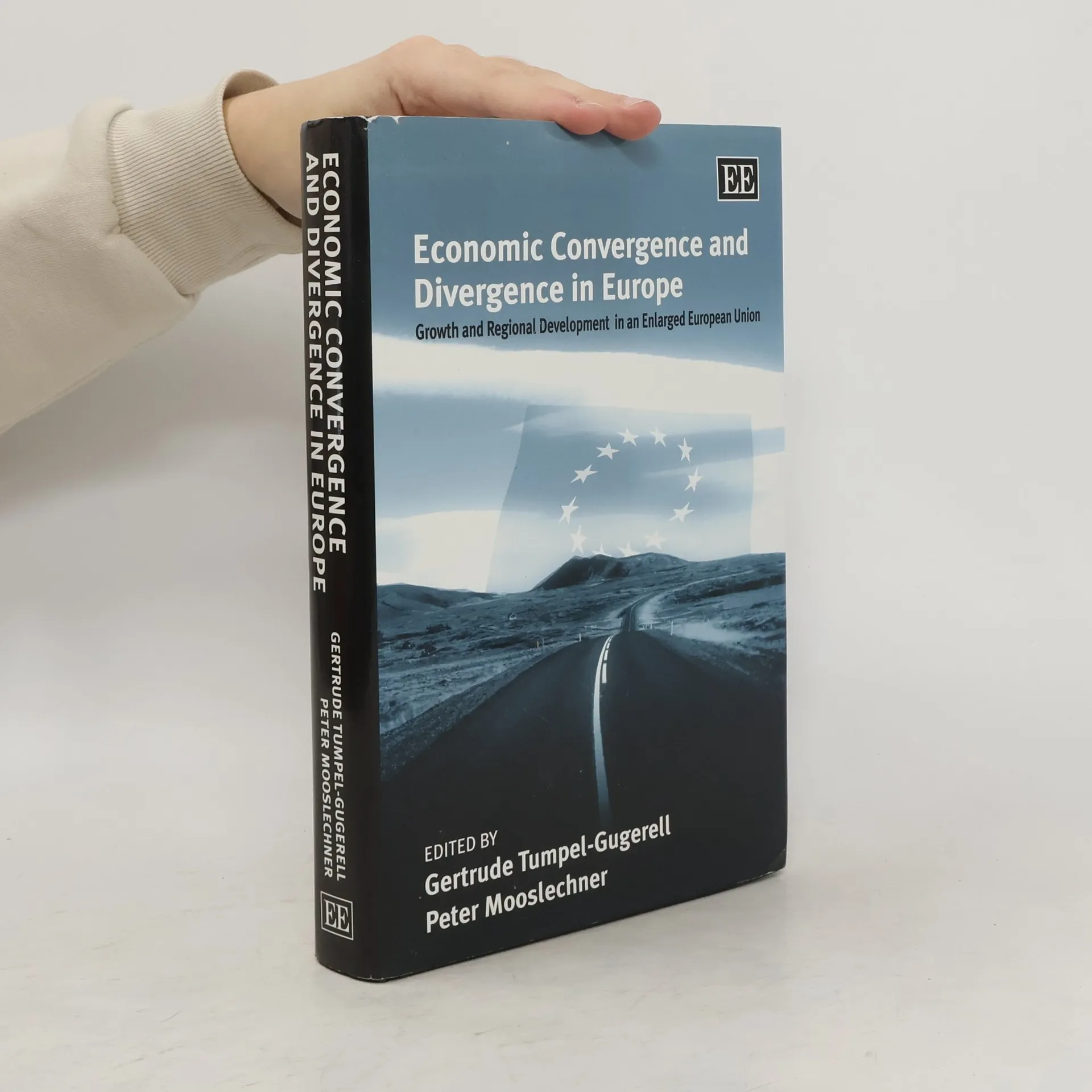
This highly topical book addresses the challenge of economic convergence within Europe, beginning with a thorough review of the theory of growth and related empirical research. Historical and more recent economic developments within the present EU and current accession countries are discussed, along with the design for the process of further integration of accession countries into the EU and the Euro area. Moreover, the potential to achieve a sustainable catch-up process in Western Balkan countries, the Ukraine and Russia is explored, focusing on the task facing the EU in designing proper policies vis-a-vis these countries. The contributors' varied perspectives ensure that the theories and policies postulated are linked closely with the actual situation in accession countries and offer up-to-date insights. Economic Convergence and Divergence in Europe will be of interest to economists and researchers of regional and European studies, particularly those with a focus on integration. Its accessible and non-technical approach assures its appeal to experts from the banking and governmental sectors.


Zakup książki
Economic Convergence and Divergence in Europe, Gertrude TumpelGugerell, Peter Mooslechner
- Język

- Rok wydania
- 2003
- Oprawa
- (twarda)
Metody płatności
Nikt jeszcze nie ocenił.
- Tytuł
- Economic Convergence and Divergence in Europe
- Język
- angielski
- Wydawca
- Edward Elgar Publishing
- Rok wydania
- 2003
- Oprawa
- twarda
- Liczba stron
- 496
- ISBN10
- 1843762412
- ISBN13
- 9781843762416
- Seria
- Tagi
- Biznes
- Opis
- This highly topical book addresses the challenge of economic convergence within Europe, beginning with a thorough review of the theory of growth and related empirical research. Historical and more recent economic developments within the present EU and current accession countries are discussed, along with the design for the process of further integration of accession countries into the EU and the Euro area. Moreover, the potential to achieve a sustainable catch-up process in Western Balkan countries, the Ukraine and Russia is explored, focusing on the task facing the EU in designing proper policies vis-a-vis these countries. The contributors' varied perspectives ensure that the theories and policies postulated are linked closely with the actual situation in accession countries and offer up-to-date insights. Economic Convergence and Divergence in Europe will be of interest to economists and researchers of regional and European studies, particularly those with a focus on integration. Its accessible and non-technical approach assures its appeal to experts from the banking and governmental sectors.