



Więcej o książce
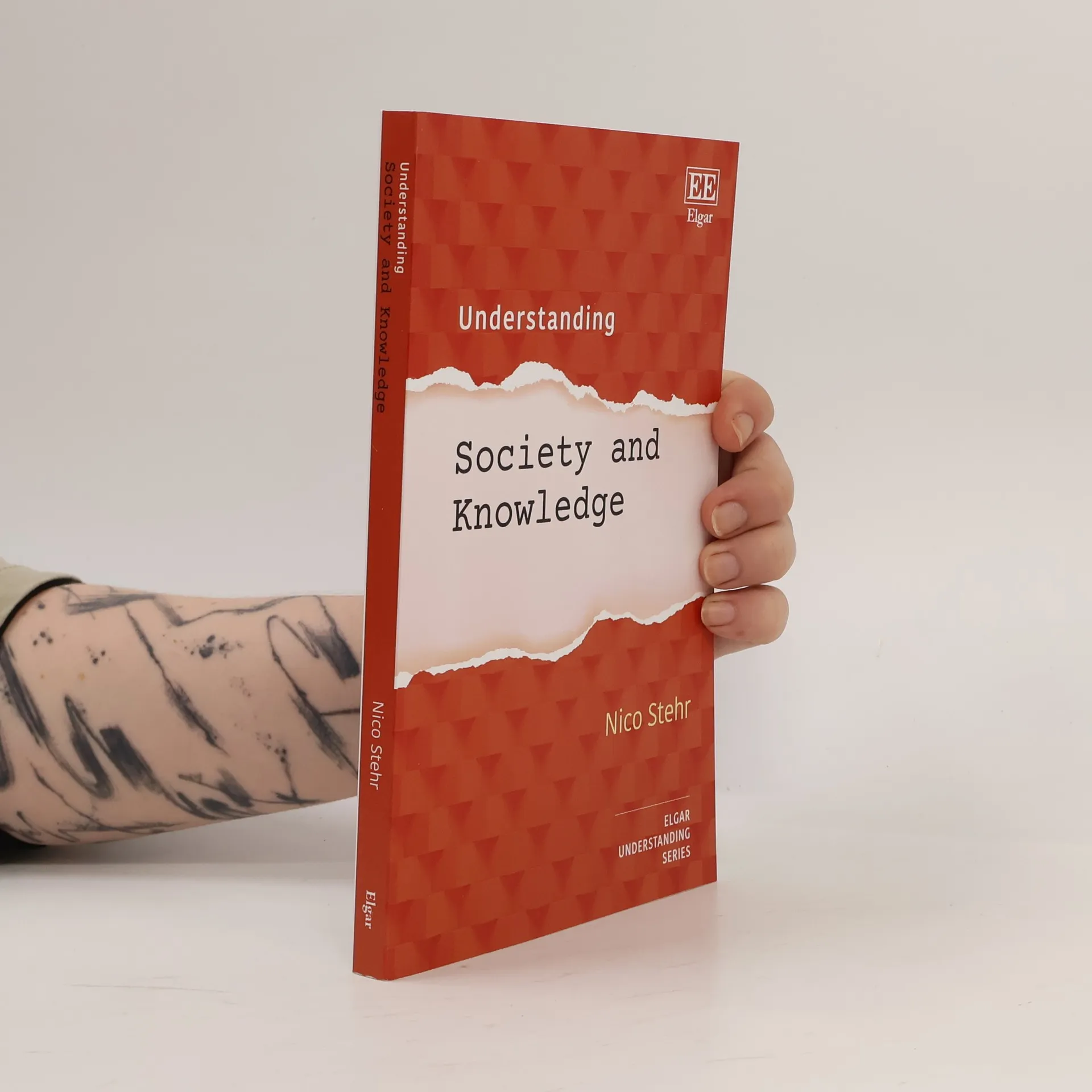
Understanding Society and Knowledge proposes that knowledge, rather than nature, violence, or power, provides the basis of and driving force behind human action in modern society. It demonstrates how the legal containment of knowledge enables the transformation of the knowledge society into knowledge capitalism. Providing an overview of the history of knowledge societies, Nico Stehr analyses the concept of knowledge as well as the nature of post-industrial societies. Chapters examine the genealogy of social scientific theories of modern society; the role of knowledge as a capacity to act or as an intersubjective resource; and recent changes in the structure of the material economy. The book concludes by discussing the political challenges of the knowledge society, highlighting the ways in which discoveries in modern knowledge and subsequent political responses continue to generate controversies. This illuminating book will be an essential resource for students and scholars of economics, political science, sociology and sociological theory, as well as science and technology studies.


Zakup książki
Understanding Society and Knowledge, Nico Stehr
- Język

- Rok wydania
- 2025
- Oprawa
- (miękka)
Metody płatności
Nikt jeszcze nie ocenił.
- Tytuł
- Understanding Society and Knowledge
- Język
- angielski
- Autorzy
- Nico Stehr
- Wydawca
- Edward Elgar Publishing Ltd
- Rok wydania
- 2025
- Oprawa
- miękka
- Liczba stron
- 196
- ISBN10
- 180220380X
- ISBN13
- 9781802203806
- Seria
- Kategorie
- Tagi
- Opis
- Understanding Society and Knowledge proposes that knowledge, rather than nature, violence, or power, provides the basis of and driving force behind human action in modern society. It demonstrates how the legal containment of knowledge enables the transformation of the knowledge society into knowledge capitalism. Providing an overview of the history of knowledge societies, Nico Stehr analyses the concept of knowledge as well as the nature of post-industrial societies. Chapters examine the genealogy of social scientific theories of modern society; the role of knowledge as a capacity to act or as an intersubjective resource; and recent changes in the structure of the material economy. The book concludes by discussing the political challenges of the knowledge society, highlighting the ways in which discoveries in modern knowledge and subsequent political responses continue to generate controversies. This illuminating book will be an essential resource for students and scholars of economics, political science, sociology and sociological theory, as well as science and technology studies.