


Ocena książki
Więcej o książce
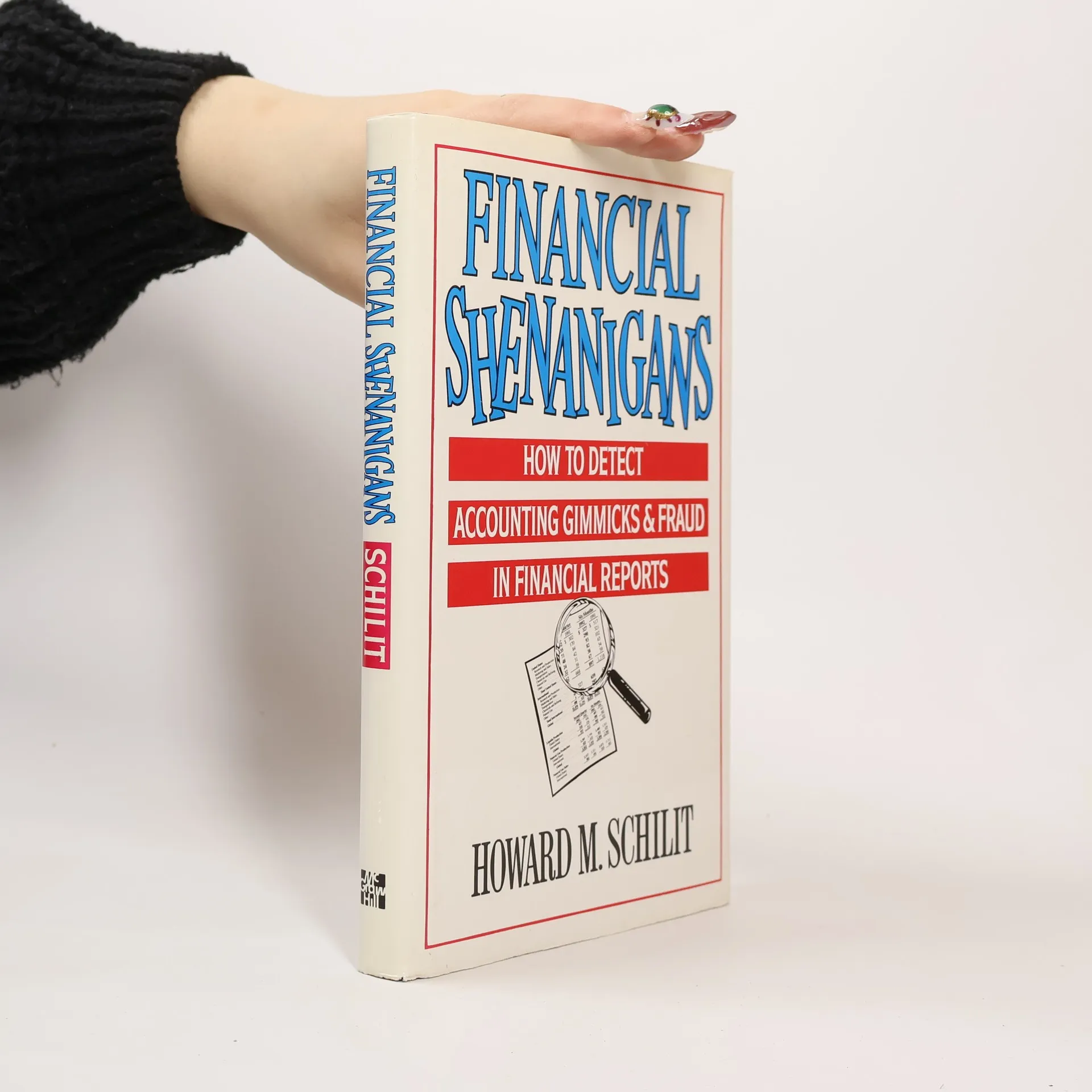
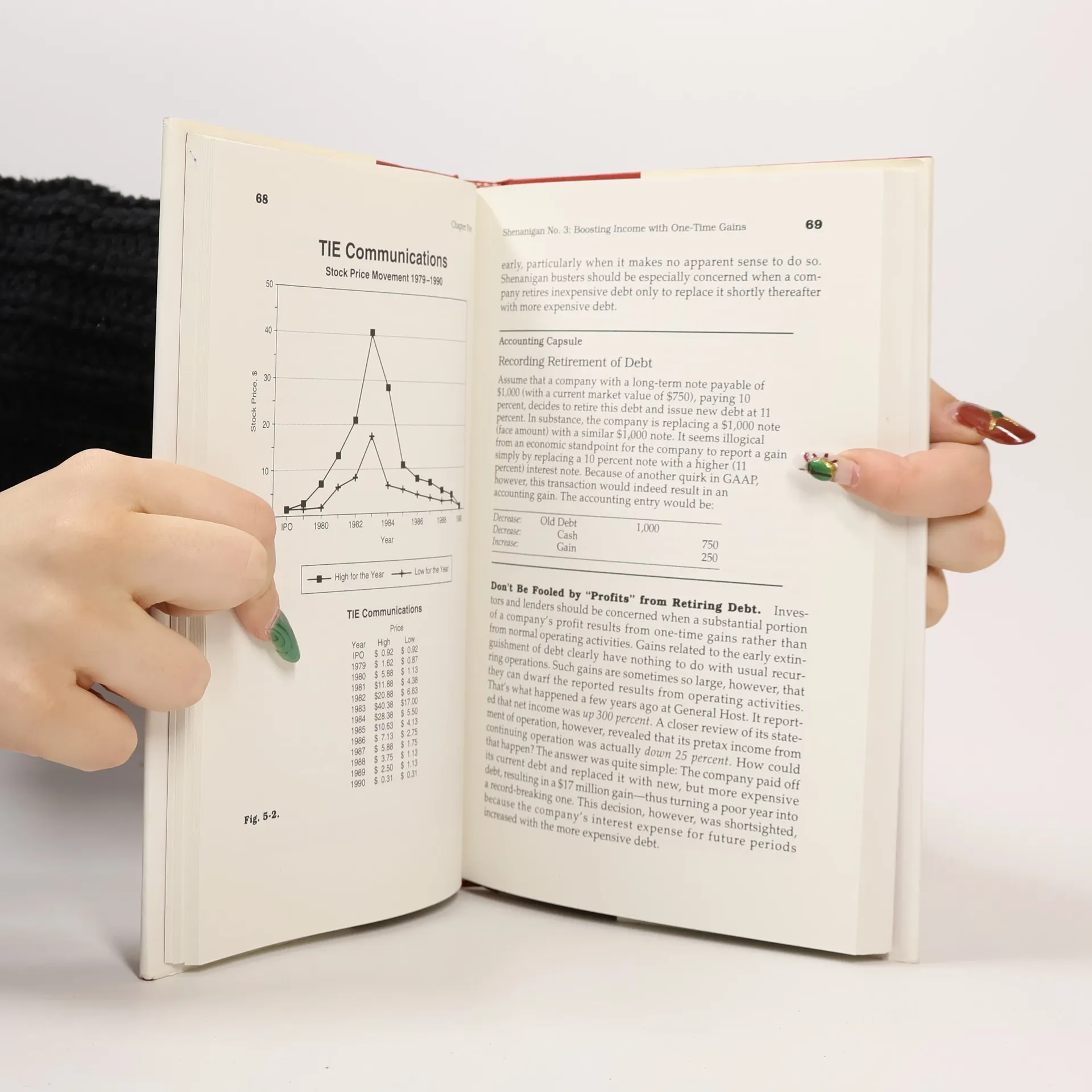
Written by the man Wall Street Week's Louis Rukeyser calls "an expert on corporate financial games, " this no-nonsense guide draws on eye-opening case histories of major companies whose recent accounting "shenanigans" brought in millions of investment dollars before they were exposed. Building on the specific lessons learned from these cases, Financial Shenanigans shows investors, lenders, auditors, regulators, and others how to immediately spot such misleading accounting tricks as: Recording revenue prematurely; Recording bogus revenues; Boosting income artificially with one-time gains; Shifting current expenses to a later period; Failing to record or disclose major liabilities; Shifting current income to a later period; Shifting future expenses to the current period. Plus there are tips on checking the balance of inventory, sales, and receivables. . .scrutinizing statements of cash flows. . .and much more!


Zakup książki
Financial Shenanigans, Howard M. Schilit
- Język

- Rok wydania
- 1993
- Oprawa
- (twarda)
Metody płatności
Brakuje nam tutaj Twojej recenzji.
- Tytuł
- Financial Shenanigans
- Podtytuł
- How to Detect Accounting Gimmicks & Fraud in Financial Reports
- Język
- angielski
- Autorzy
- Howard M. Schilit
- Wydawca
- McGraw-Hill Companies
- Rok wydania
- 1993
- Oprawa
- twarda
- Liczba stron
- 191
- ISBN10
- 0070561311
- ISBN13
- 9780070561311
- Seria
- Tagi
- Biznes, Finanse, Księgowość, Pieniądze
- Ocena
- 4,25 z 5
- Opis
- Written by the man Wall Street Week's Louis Rukeyser calls "an expert on corporate financial games, " this no-nonsense guide draws on eye-opening case histories of major companies whose recent accounting "shenanigans" brought in millions of investment dollars before they were exposed. Building on the specific lessons learned from these cases, Financial Shenanigans shows investors, lenders, auditors, regulators, and others how to immediately spot such misleading accounting tricks as: Recording revenue prematurely; Recording bogus revenues; Boosting income artificially with one-time gains; Shifting current expenses to a later period; Failing to record or disclose major liabilities; Shifting current income to a later period; Shifting future expenses to the current period. Plus there are tips on checking the balance of inventory, sales, and receivables. . .scrutinizing statements of cash flows. . .and much more!