

Więcej o książce
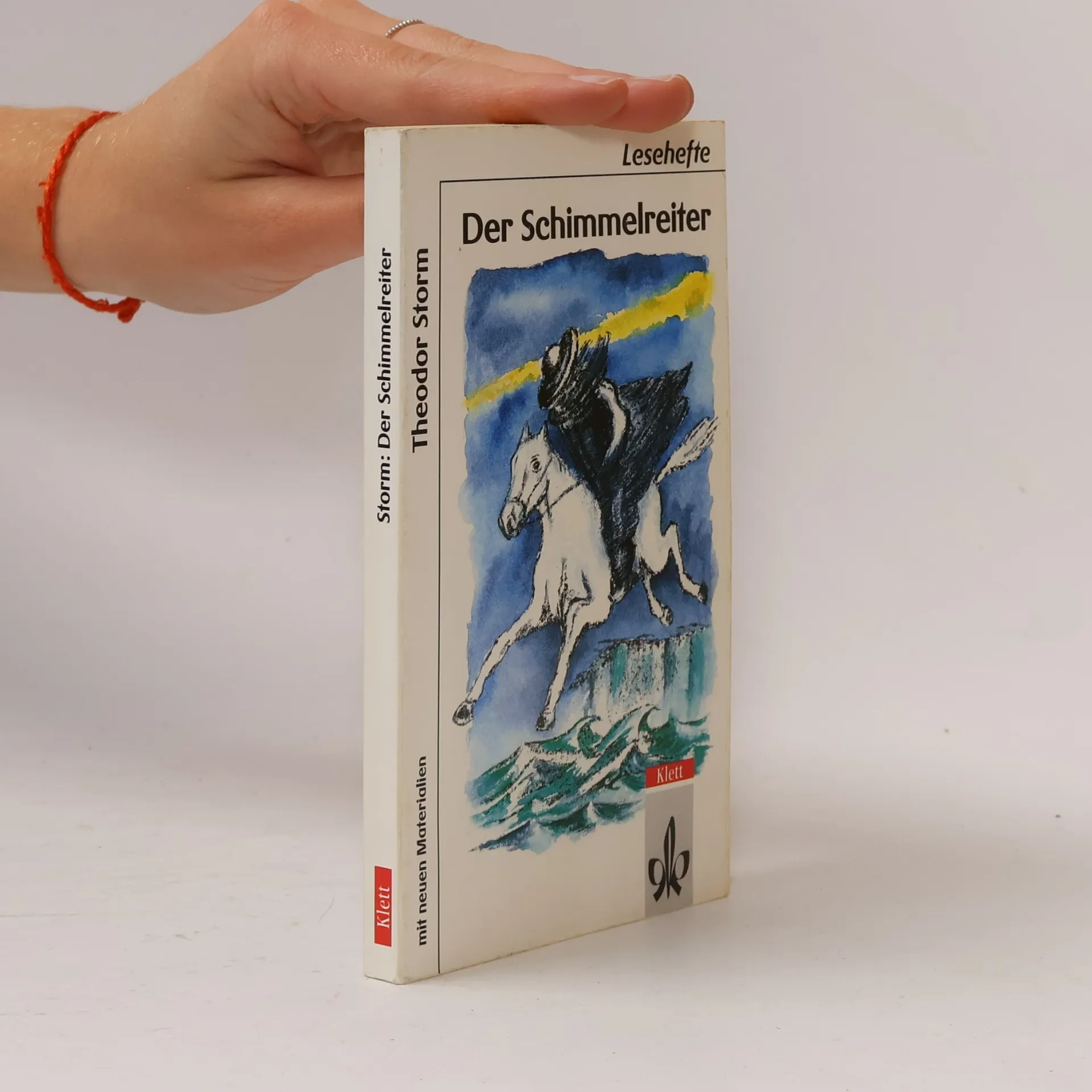
"The Rider on the White Horse" begins as a ghost story. A traveler finds himself caught in dangerously rough weather. On an island just offshore he glimpses the specter of a rider on a white horse rising and plunging in the wind and rain. Taking shelter at a local inn, the traveler mentions the apparition, and the local schoolmaster volunteers a story. It is a tale of ambition, of a young man, Hauke Heien, who is out not only to make a name for himself but to remake the world; of love and family, as Hauke and his wife try to come to terms with their late-born child's mental retardation; and of politics, as the community fights back against Hauke's initiatives. It is a story, too, about the crisis of faith, of wanting and missing the presence of the divine, and of the persistence of superstition. It is an appealingly matter-of-fact picture of rural life, a harrowing glimpse of spiritual isolation, and a stark vision of the violence of the natural world. Finally, it is a story about the basis of civilization in the act of human sacrifice. Anticipating "Lord of the Flies" and "The Lottery," Theodor Storm's novella, limpidly translated by the American poet James Wright, is not just the ghost story it first appears to be but an economical and gripping dramatization of some of the bloody questions that haunt the disenchanted modern world.


Zakup książki
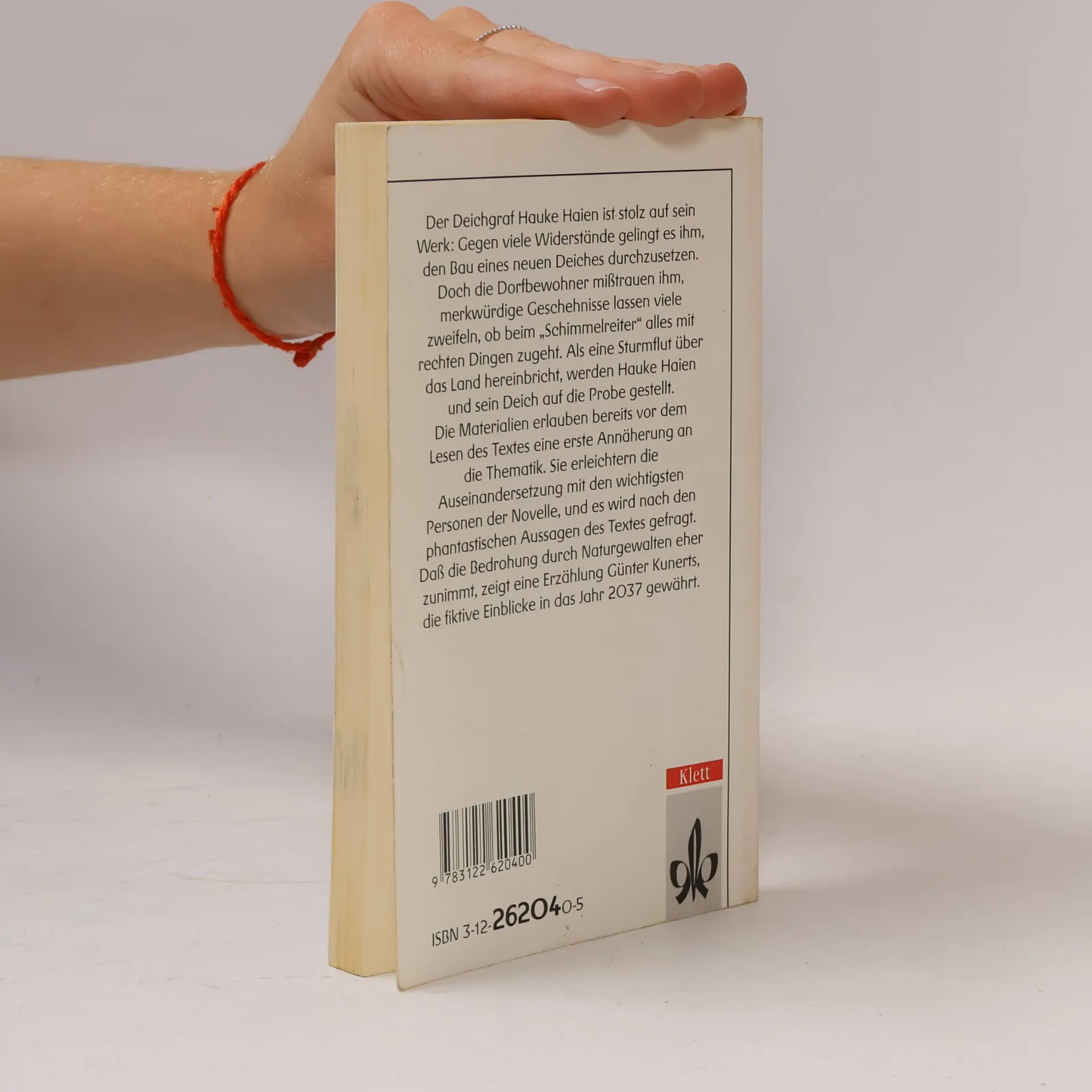
Der Schimmelreiter: Mit neuen Materialien, Theodor Storm
- Język

- Rok wydania
- 1996
- Oprawa
- (miękka),
- Stan książki
- Dobry
- Cena
- 1,96 zł
Metody płatności
Brakuje nam tutaj Twojej recenzji.
- Tytuł
- Der Schimmelreiter: Mit neuen Materialien
- Język
- niemiecki
- Autorzy
- Theodor Storm
- Wydawca
- Klett
- Rok wydania
- 1996
- Oprawa
- miękka
- Liczba stron
- 160
- ISBN10
- 3122620405
- ISBN13
- 9783122620400
- Seria
- Kategorie
- Ocena
- 3 z 5
- Opis
- "The Rider on the White Horse" begins as a ghost story. A traveler finds himself caught in dangerously rough weather. On an island just offshore he glimpses the specter of a rider on a white horse rising and plunging in the wind and rain. Taking shelter at a local inn, the traveler mentions the apparition, and the local schoolmaster volunteers a story. It is a tale of ambition, of a young man, Hauke Heien, who is out not only to make a name for himself but to remake the world; of love and family, as Hauke and his wife try to come to terms with their late-born child's mental retardation; and of politics, as the community fights back against Hauke's initiatives. It is a story, too, about the crisis of faith, of wanting and missing the presence of the divine, and of the persistence of superstition. It is an appealingly matter-of-fact picture of rural life, a harrowing glimpse of spiritual isolation, and a stark vision of the violence of the natural world. Finally, it is a story about the basis of civilization in the act of human sacrifice. Anticipating "Lord of the Flies" and "The Lottery," Theodor Storm's novella, limpidly translated by the American poet James Wright, is not just the ghost story it first appears to be but an economical and gripping dramatization of some of the bloody questions that haunt the disenchanted modern world.