

Parametry
- 652 strony
- 23 godziny czytania
Więcej o książce
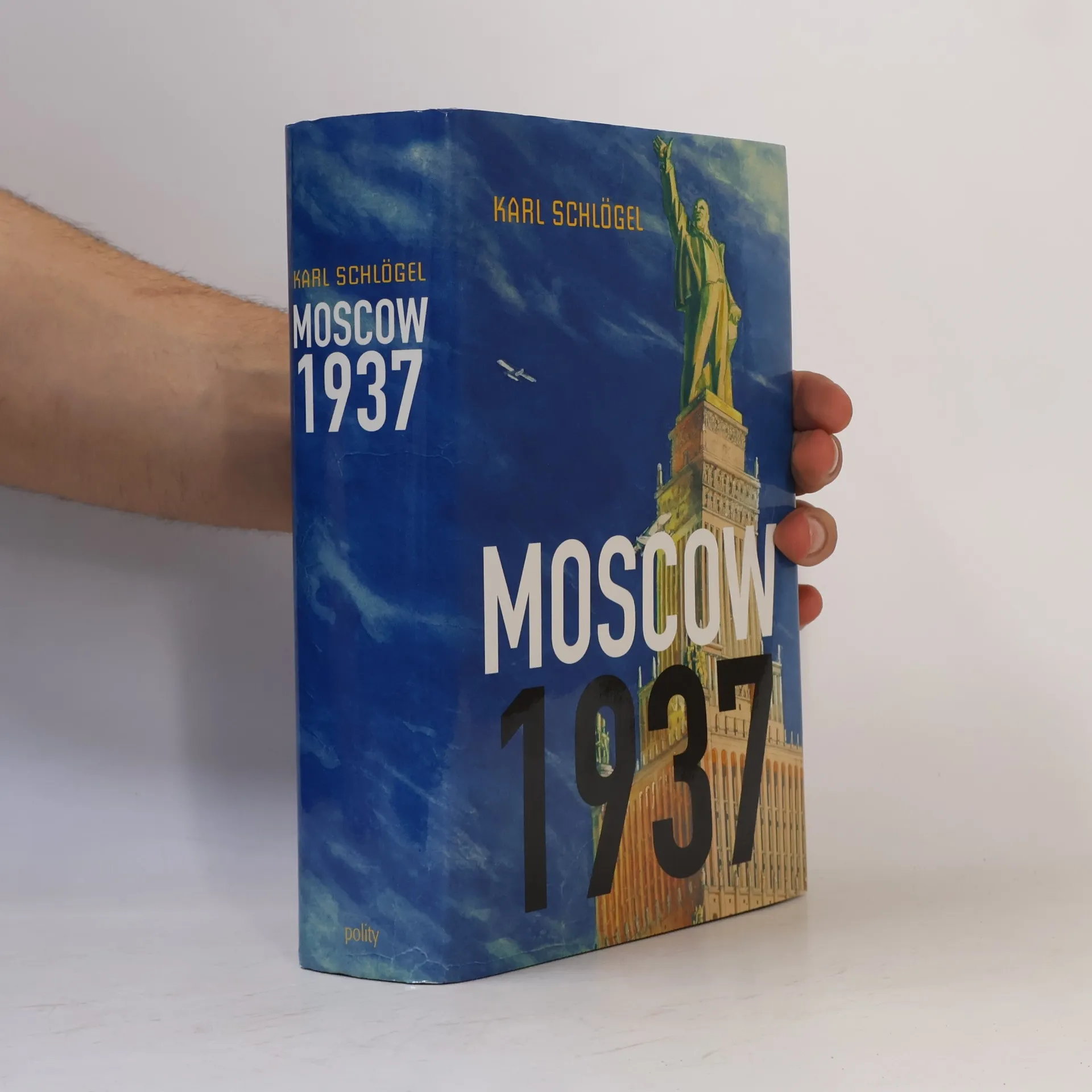
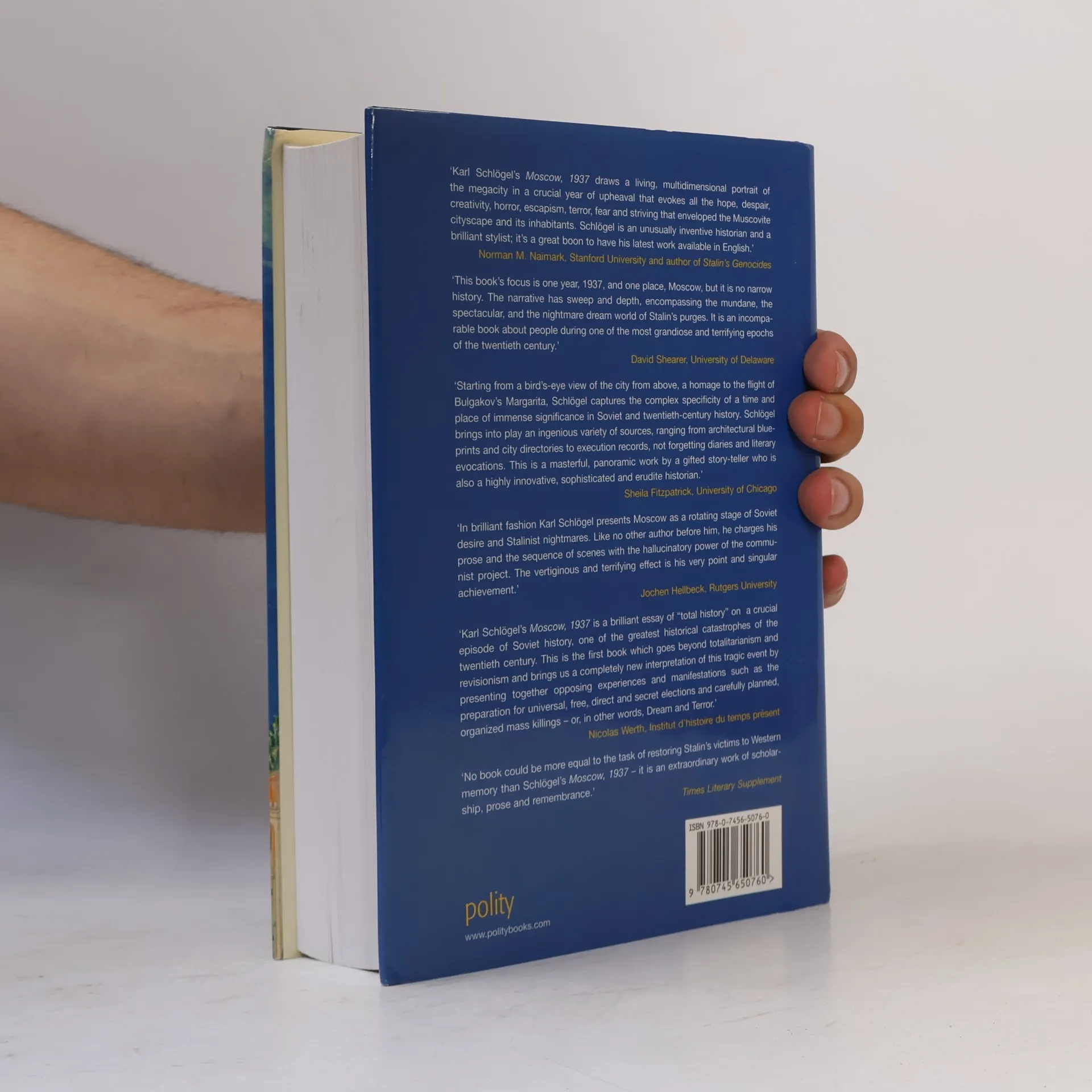
Moscow, 1937: the soviet metropolis at the zenith of Stalin’s dictatorship. A society utterly wrecked by a hurricane of violence. In this compelling book, the renowned historian Karl Schlögel reconstructs with meticulous care the process through which, month by month, the terrorism of a state-of-emergency regime spiraled into the ‘Great Terror’ during which 1 ½ million human beings lost their lives within a single year. He revisits the sites of show trials and executions and, by also consulting numerous sources from the time, he provides a masterful panorama of these key events in Russian history. He shows how, in the shadow of the reign of terror, the regime around Stalin also aimed to construct a new society. Based on countless documents, Schlögel’s historical masterpiece vividly presents an age in which the boundaries separating the dream and the terror dissolve, and enables us to experience the fear that was felt by people subjected to totalitarian rule. This rich and absorbing account of the Soviet purges will be essential reading for all students of Russia and for any readers interested in one of the most dramatic and disturbing events of modern history.



Zakup książki
Moscow, 1937, Karl Schlögel
- Język

- Rok wydania
- 2012
- Oprawa
- (twarda)
Metody płatności
Brakuje nam tutaj Twojej recenzji.
- Tytuł
- Moscow, 1937
- Język
- angielski
- Autorzy
- Karl Schlögel
- Wydawca
- Polity
- Rok wydania
- 2012
- Oprawa
- twarda
- Liczba stron
- 652
- ISBN10
- 0745650767
- ISBN13
- 9780745650760
- Seria
- Kategorie
- Tagi
- Tematy historyczne, Literatura niemiecka, Polityka, Rosja, Historia życia codziennego, Miasta, Związek Radziecki, Historia Rosji, Moskwa, Józef Wysarionowicz Stalin, Stalinizm
- Ocena
- 4,05 z 5
- Opis
- Moscow, 1937: the soviet metropolis at the zenith of Stalin’s dictatorship. A society utterly wrecked by a hurricane of violence. In this compelling book, the renowned historian Karl Schlögel reconstructs with meticulous care the process through which, month by month, the terrorism of a state-of-emergency regime spiraled into the ‘Great Terror’ during which 1 ½ million human beings lost their lives within a single year. He revisits the sites of show trials and executions and, by also consulting numerous sources from the time, he provides a masterful panorama of these key events in Russian history. He shows how, in the shadow of the reign of terror, the regime around Stalin also aimed to construct a new society. Based on countless documents, Schlögel’s historical masterpiece vividly presents an age in which the boundaries separating the dream and the terror dissolve, and enables us to experience the fear that was felt by people subjected to totalitarian rule. This rich and absorbing account of the Soviet purges will be essential reading for all students of Russia and for any readers interested in one of the most dramatic and disturbing events of modern history.