

Parametry
- 95 stron
- 4 godziny czytania
Więcej o książce
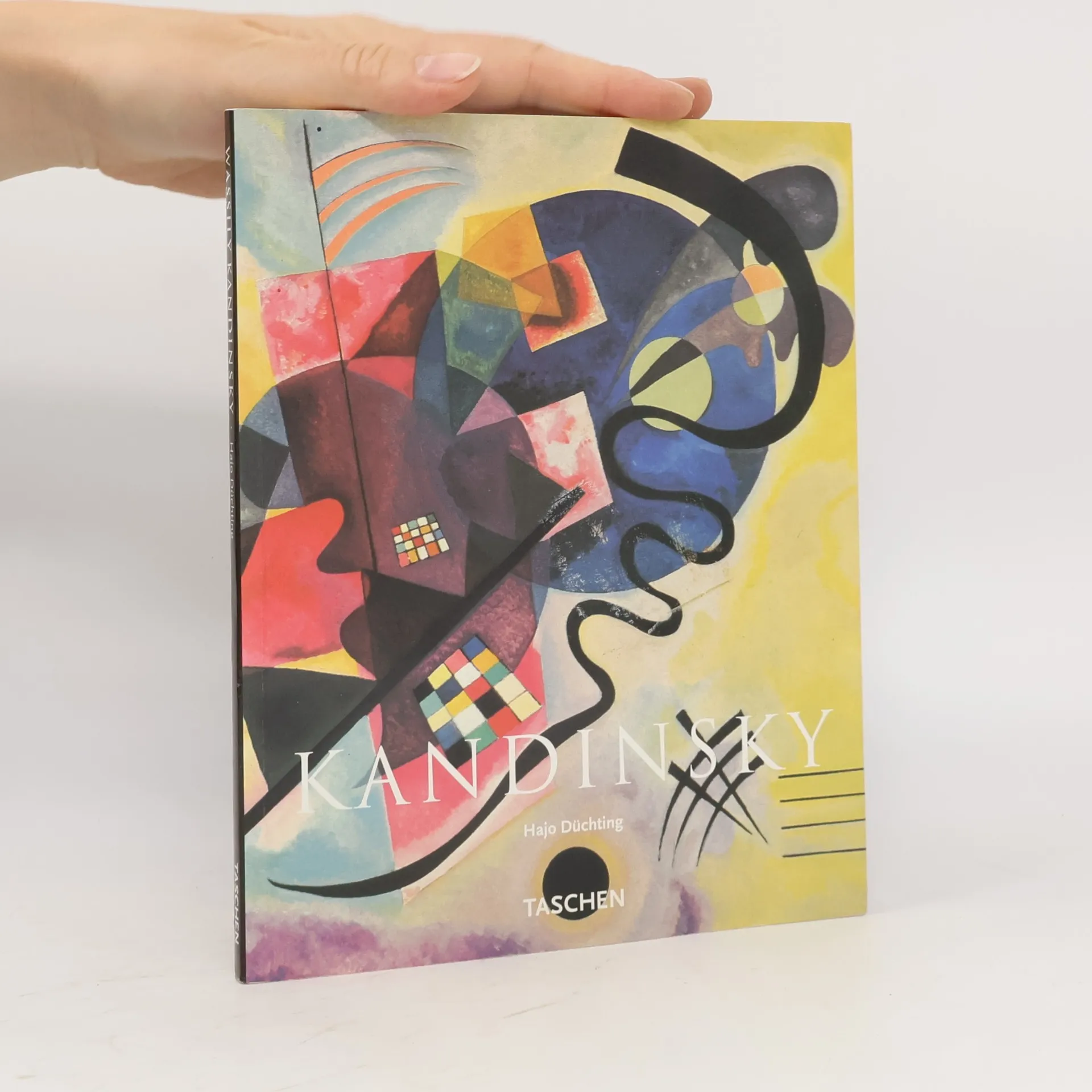
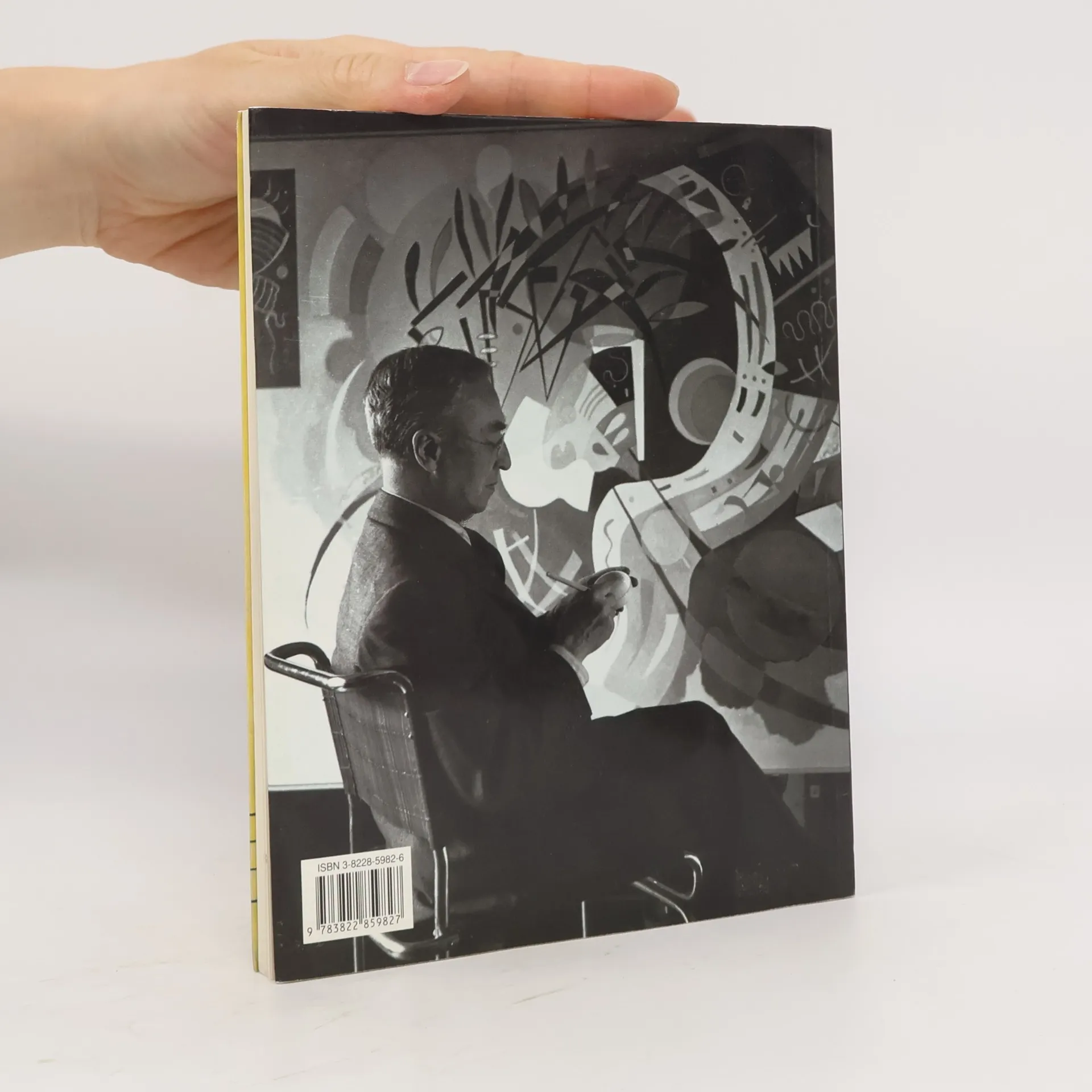
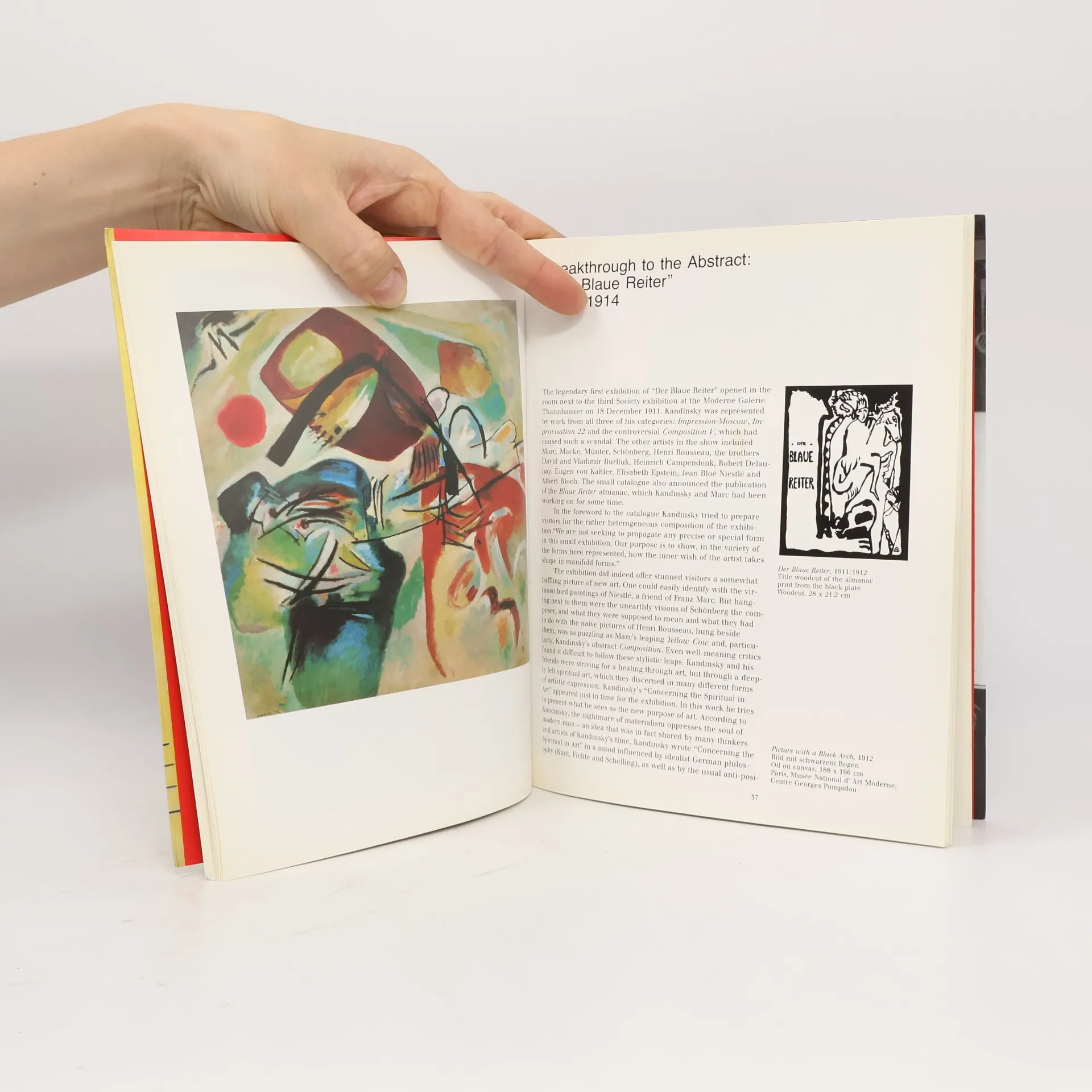
The founder of abstract art The Russian painter Wassily Kandinsky (1866-1944), who later lived in Germany and France, is one of the pioneers of twentieth-century art. Nowadays he is regarded as the founder of abstract art and is, moreover, the chief theoretician of this type of painting. Together with Franz Marc and others he founded the group of artists known as the "Blauer Reiter" in Munich. His art then freed itself more and more from the object, eventually culminating in the "First Abstract Watercolour" of 1910. In his theoretical writings Kandinsky repeatedly sought the proximity of music; and just as in music, where the individual notes constitute the medium whose effect stems from harmony and euphony, Kandinsky was aiming for a pure concord of colour through the interplay of various shades. Gauguin had demanded that everything "must be sacrificed to pure colours". Kandinsky was the first to realise this and thus to influence a whole range of artists. About the Each book in TASCHEN’s Basic Art series






W magazynie mamy łącznie książkiWassily Kandinsky 1866-1944: A Revolution in Painting(2000)
Zakup książki
Wassily Kandinsky 1866-1944: A Revolution in Painting, Hajo Düchting
- Język

- Rok wydania
- 2000
- Oprawa
- (miękka),
- Stan książki
- Bardzo dobry
- Cena
- 24,78 zł
Metody płatności
Brakuje nam tutaj Twojej recenzji.
- Tytuł
- Wassily Kandinsky 1866-1944: A Revolution in Painting
- Język
- angielski
- Autorzy
- Hajo Düchting
- Wydawca
- Taschen
- Rok wydania
- 2000
- Oprawa
- miękka
- Liczba stron
- 95
- ISBN10
- 3822859826
- ISBN13
- 9783822859827
- Seria
- Kategorie
- Ocena
- 4,25 z 5
- Opis
- The founder of abstract art The Russian painter Wassily Kandinsky (1866-1944), who later lived in Germany and France, is one of the pioneers of twentieth-century art. Nowadays he is regarded as the founder of abstract art and is, moreover, the chief theoretician of this type of painting. Together with Franz Marc and others he founded the group of artists known as the "Blauer Reiter" in Munich. His art then freed itself more and more from the object, eventually culminating in the "First Abstract Watercolour" of 1910. In his theoretical writings Kandinsky repeatedly sought the proximity of music; and just as in music, where the individual notes constitute the medium whose effect stems from harmony and euphony, Kandinsky was aiming for a pure concord of colour through the interplay of various shades. Gauguin had demanded that everything "must be sacrificed to pure colours". Kandinsky was the first to realise this and thus to influence a whole range of artists. About the Each book in TASCHEN’s Basic Art series