

Więcej o książce
P’Chang attained the level of an enlightened Zen master in the 8th century, yet remained a layperson with a wife, daughter, and son. He inherited wealth from his father, which he lost in the Shao River. Together with his daughter, he traveled and sold bamboo instruments, while his wife and son worked as tenant farmers. P’Chang expressed his thoughts on the complexity and simplicity of existence, while his wife emphasized the ease of learning. He told his daughter Ling-čao that his reflections were neither easy nor difficult, and that he followed his basic needs. In his final years, he lived with his daughter in a cave, preparing for death. He asked her to tell him when the sun was at its zenith, and upon that moment, he discovered his daughter had died in his place. After seven days of mourning, he passed away in the presence of his friend Ju Ti, who recorded the stories of P’Chang and his family. Following the deaths of his daughter and son, Mrs. P’Chang retreated to the mountains as a hermit. P’Chang lived outside Confucian traditions, preferring to write poetry over preaching, leaving behind many koans and dialogues with Zen masters.

Zakup książki
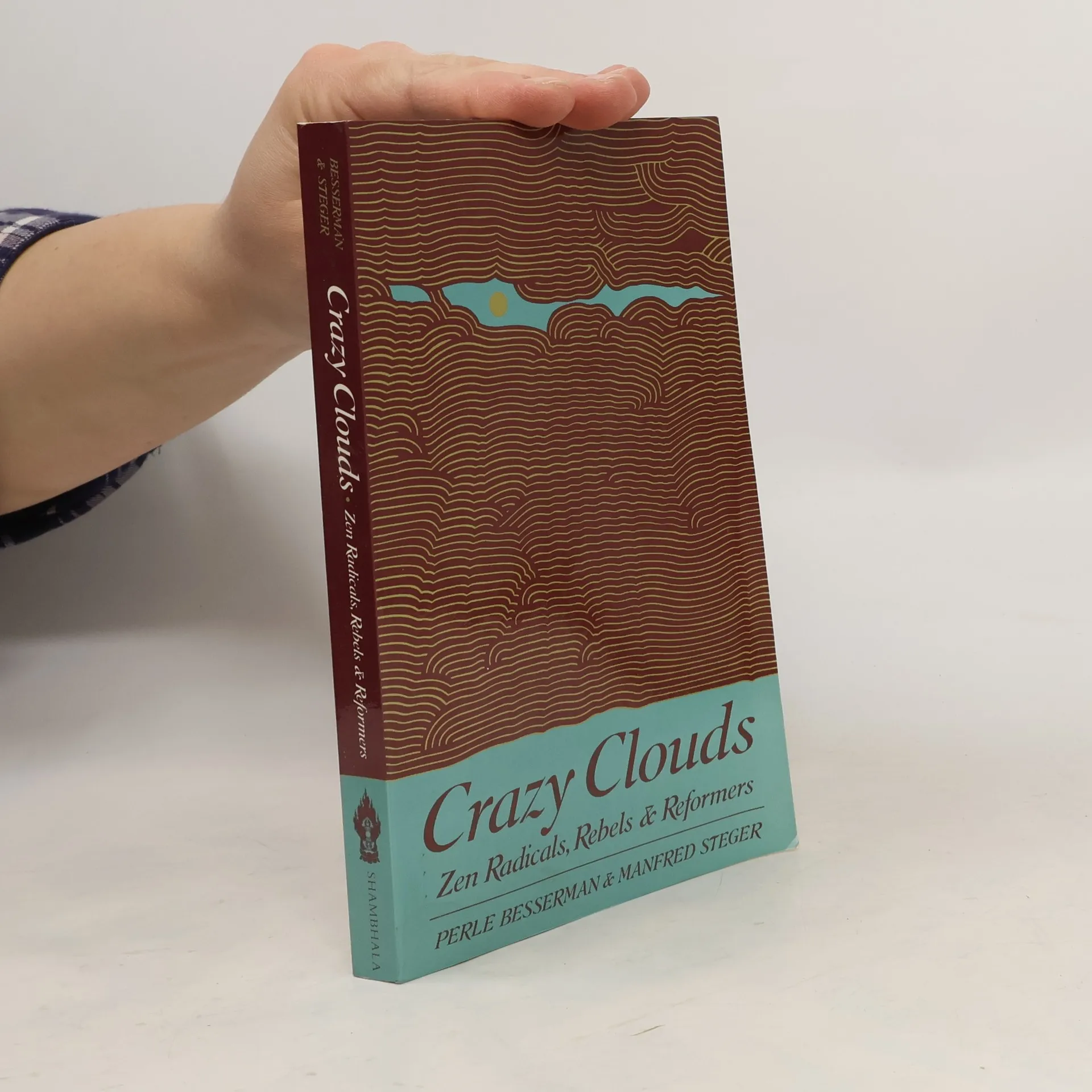
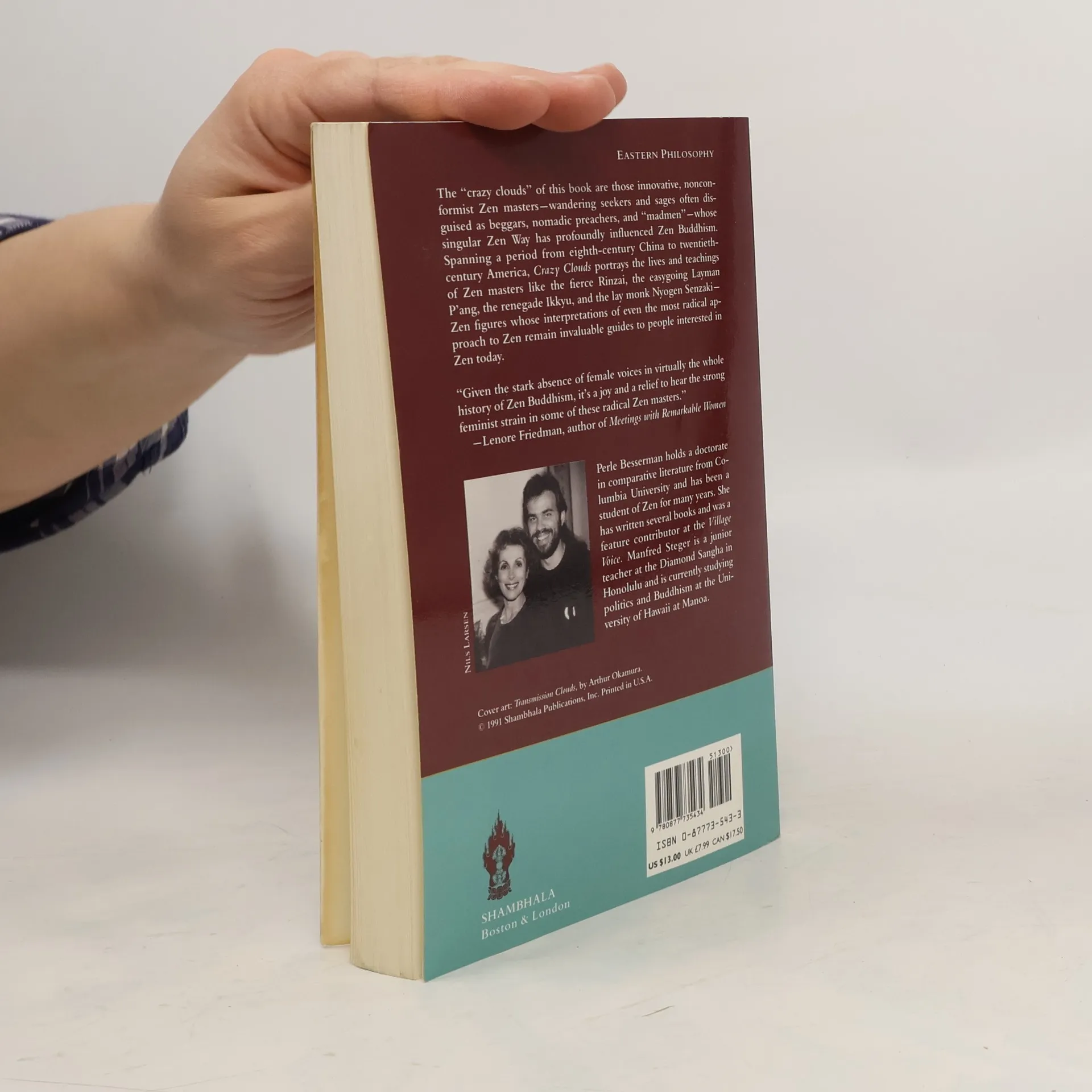
Crazy Clouds, Perle Besserman, Manfred B. Steger
- Język

- Rok wydania
- 1991
- Oprawa
- (miękka)
Metody płatności
Brakuje nam tutaj Twojej recenzji.
- Tytuł
- Crazy Clouds
- Język
- angielski
- Autorzy
- Perle Besserman, Manfred B. Steger
- Wydawca
- Shambhala Publications
- Rok wydania
- 1991
- Oprawa
- miękka
- ISBN10
- 0877735433
- ISBN13
- 9780877735434
- Seria
- Kategorie
- Tagi
- Zen
- Ocena
- 4,05 z 5
- Opis
- P’Chang attained the level of an enlightened Zen master in the 8th century, yet remained a layperson with a wife, daughter, and son. He inherited wealth from his father, which he lost in the Shao River. Together with his daughter, he traveled and sold bamboo instruments, while his wife and son worked as tenant farmers. P’Chang expressed his thoughts on the complexity and simplicity of existence, while his wife emphasized the ease of learning. He told his daughter Ling-čao that his reflections were neither easy nor difficult, and that he followed his basic needs. In his final years, he lived with his daughter in a cave, preparing for death. He asked her to tell him when the sun was at its zenith, and upon that moment, he discovered his daughter had died in his place. After seven days of mourning, he passed away in the presence of his friend Ju Ti, who recorded the stories of P’Chang and his family. Following the deaths of his daughter and son, Mrs. P’Chang retreated to the mountains as a hermit. P’Chang lived outside Confucian traditions, preferring to write poetry over preaching, leaving behind many koans and dialogues with Zen masters.