

Więcej o książce
An Inspector Calls, first produced in 1946 during a period of significant societal change, captivates its audience with the gripping tension of a detective thriller while serving as a philosophical exploration of social conscience and the decline of middle-class values. The play delves into themes of responsibility and the interconnectedness of society, revealing how individual actions impact others. Priestley's work often engages with the concept of time, as seen in his 'time' plays, where he examines precognition and the struggle between fate and free will. Additionally, The Linden Tree challenges established notions of history through the character of Professor Linden, who confronts his family about the moral complexities of life in the aftermath of war. Through these narratives, Priestley invites reflection on ethical dilemmas and the consequences of personal choices within a broader social context.

Zakup książki
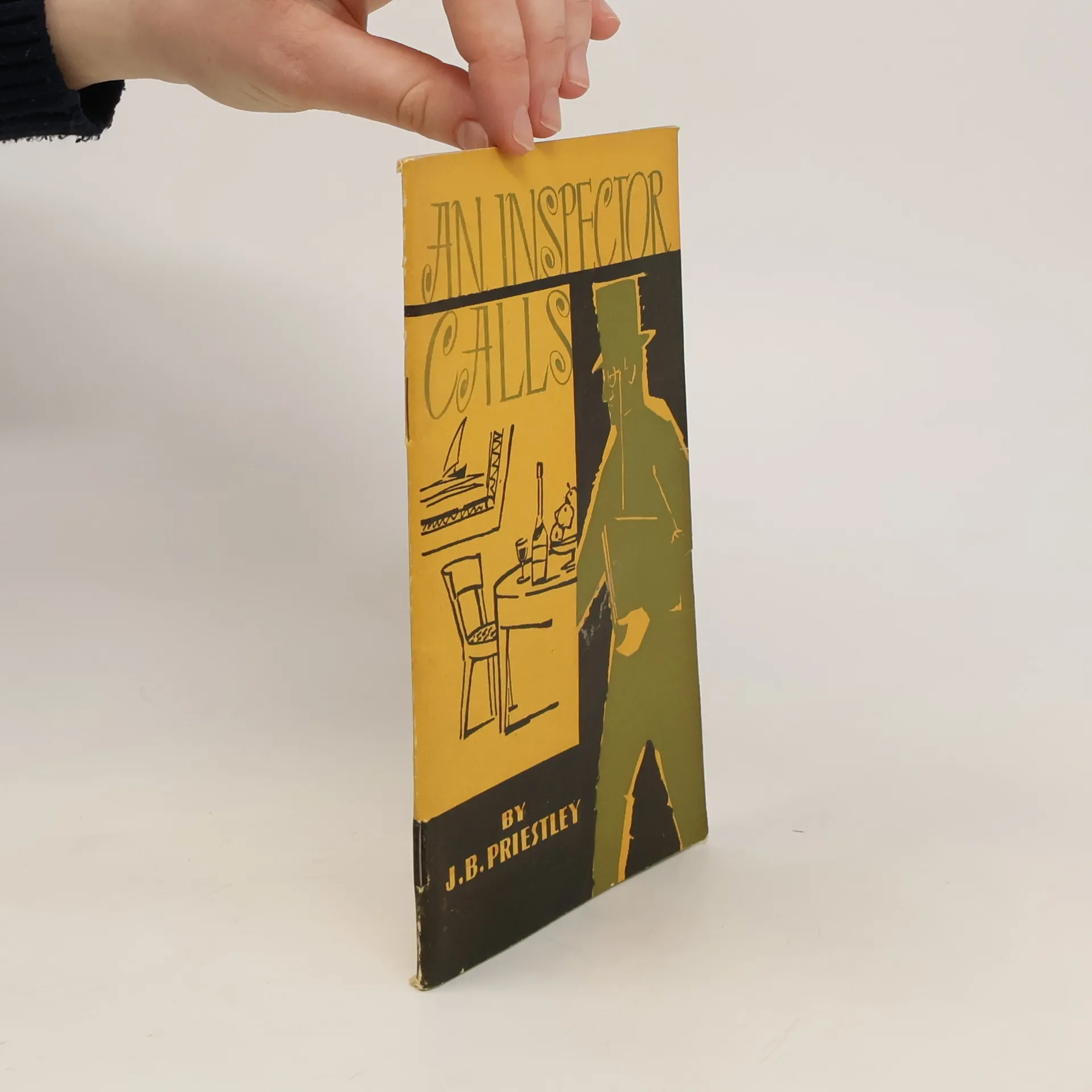
An Inspector Calls, J. B. Priestley
- Język


- Rok wydania
- 1964
- Oprawa
- (zeszytowa)
Metody płatności
Brakuje nam tutaj Twojej recenzji.
- Tytuł
- An Inspector Calls
- Język
- angielski, rosyjski
- Autorzy
- J. B. Priestley
- Wydawca
- Главполиграфпрома
- Rok wydania
- 1964
- Oprawa
- zeszytowa
- Seria
- Kategorie
- Tagi
- Kryminały & Sensacja, Detektyw, Sztuki teatralne, Literatura angielska, Tajemnice & Zagadki, Krytyka społeczna, Wydanie dwujęzyczne
- Ocena
- 3,8 z 5
- Opis
- An Inspector Calls, first produced in 1946 during a period of significant societal change, captivates its audience with the gripping tension of a detective thriller while serving as a philosophical exploration of social conscience and the decline of middle-class values. The play delves into themes of responsibility and the interconnectedness of society, revealing how individual actions impact others. Priestley's work often engages with the concept of time, as seen in his 'time' plays, where he examines precognition and the struggle between fate and free will. Additionally, The Linden Tree challenges established notions of history through the character of Professor Linden, who confronts his family about the moral complexities of life in the aftermath of war. Through these narratives, Priestley invites reflection on ethical dilemmas and the consequences of personal choices within a broader social context.