

Parametry
Więcej o książce
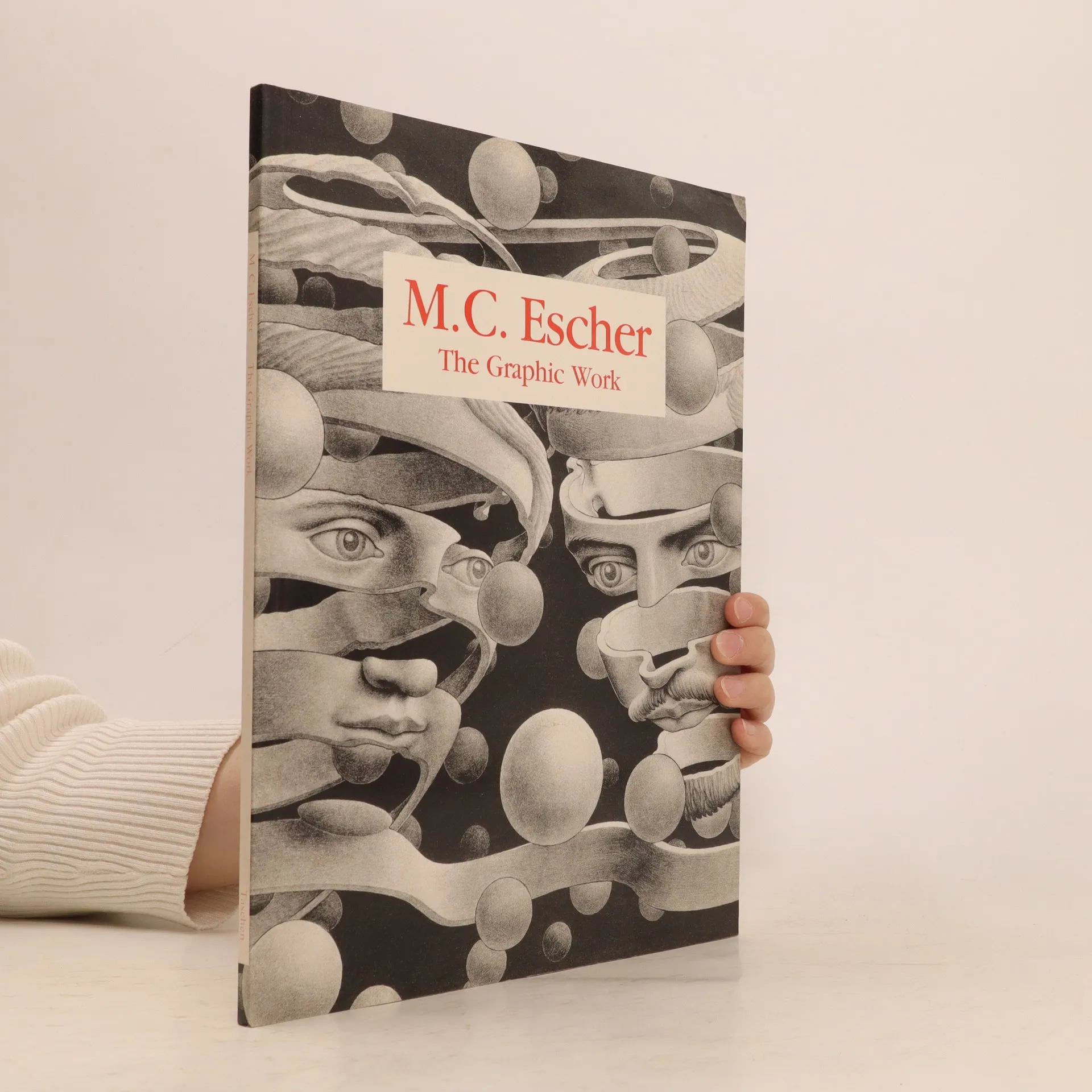
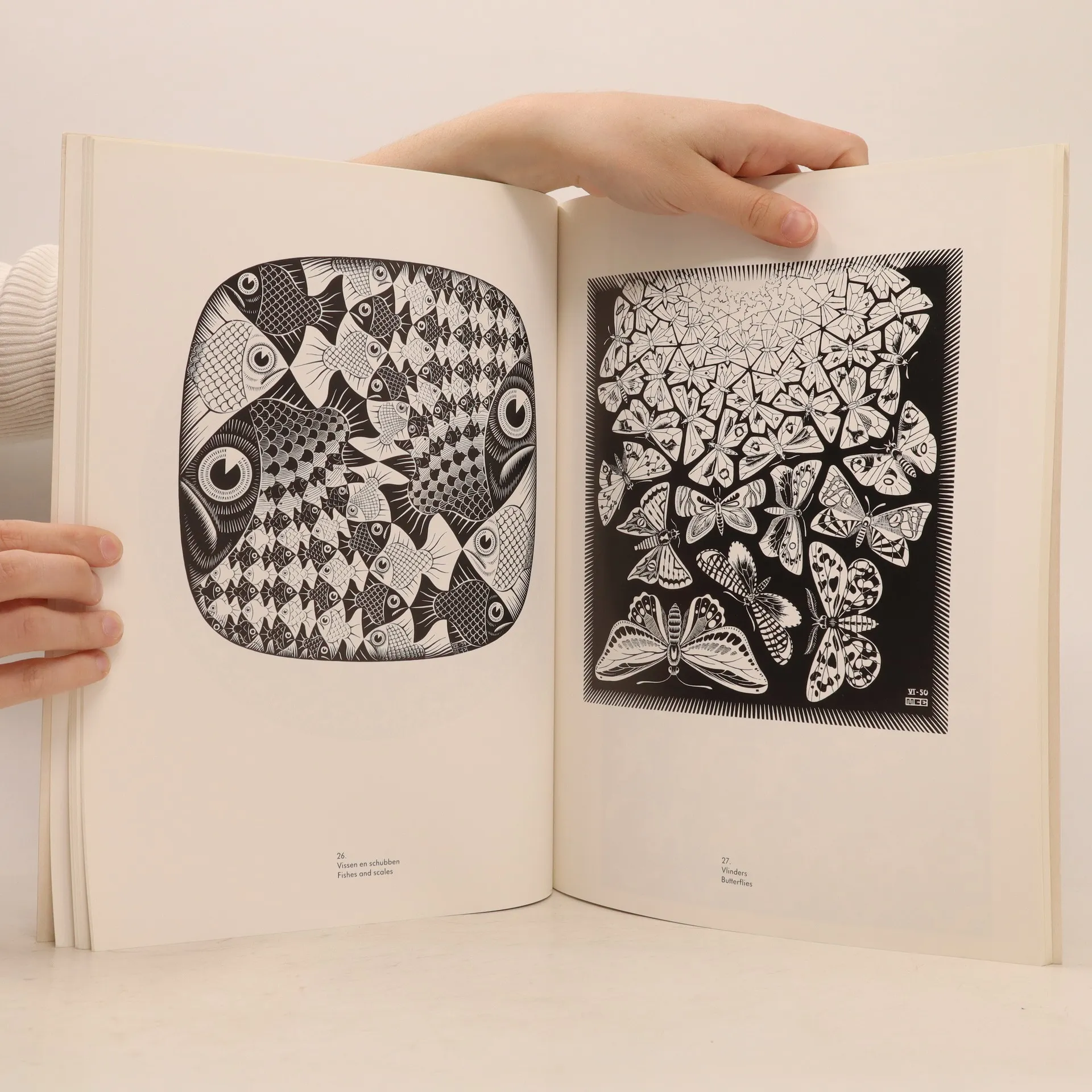
M.C. Escher, born in 1898 in Leeuwarden, Netherlands, developed his graphic talents early on, receiving drawing lessons and instruction in block printing. He studied at the School of Architecture and Ornamental Design in Haarlem, where he was influenced by S. Jessurun de Mesquita. Escher lived and worked in Italy from 1922 to 1934, later spending time in Switzerland and Brussels before returning to Baarn, where he passed away in 1972. Rather than being a surrealist, Escher is an architect of impossible worlds, presenting the structurally unthinkable as if it were a natural law. His work challenges perceptions of reality and space, inviting viewers into intricate, mathematically inspired designs that defy conventional logic. Through his unique approach to perspective and symmetry, Escher creates visual puzzles that captivate and intrigue, making him a significant figure in the realm of graphic art.

Zakup książki
M. C. Escher. The Graphic Work, M. C. Escher
- Język


- Rok wydania
- 1970
- Oprawa
- (twarda)
Metody płatności
Brakuje nam tutaj Twojej recenzji.
- Tytuł
- M. C. Escher. The Graphic Work
- Język
- angielski, niemiecki
- Autorzy
- M. C. Escher
- Wydawca
- Macdonald and Co.
- Rok wydania
- 1970
- Oprawa
- twarda
- Seria
- Kategorie
- Tagi
- Sztuki piękne, Poradniki, Sztuka, Historia sztuki, XXI wiek, Sztuka Nowoczesna, Grafika, Iluzja & Złudzenia
- Oryginalna nazwa
- M.C. Escher
- Ocena
- 4,15 z 5
- Opis
- M.C. Escher, born in 1898 in Leeuwarden, Netherlands, developed his graphic talents early on, receiving drawing lessons and instruction in block printing. He studied at the School of Architecture and Ornamental Design in Haarlem, where he was influenced by S. Jessurun de Mesquita. Escher lived and worked in Italy from 1922 to 1934, later spending time in Switzerland and Brussels before returning to Baarn, where he passed away in 1972. Rather than being a surrealist, Escher is an architect of impossible worlds, presenting the structurally unthinkable as if it were a natural law. His work challenges perceptions of reality and space, inviting viewers into intricate, mathematically inspired designs that defy conventional logic. Through his unique approach to perspective and symmetry, Escher creates visual puzzles that captivate and intrigue, making him a significant figure in the realm of graphic art.