

Parametry
Więcej o książce
In this excerpt, the author addresses criticism from Georg Hirth, who feels aggrieved that his critique was not published. The author dismisses the notion that Hirth's critique was "crushing," asserting that he is not intimidated by Hirth's youth. The focus remains on the topic of female weakness rather than male perspectives. The author suggests that Hirth has misunderstood the argument, indicating that clarifying the issue would require extensive explanation, possibly an entire book. Instead, the author invites Hirth to seek clarification of the essay. The tone remains firm yet somewhat dismissive, as the author expresses no further desire to engage beyond this point. The publisher, Forgotten Books, emphasizes its commitment to preserving historical works through advanced technology, ensuring that original formats are maintained while addressing imperfections. They acknowledge that some flaws may still be present in their editions, but these are left intentionally to honor the historical integrity of the texts.
Wydanie

Zakup książki
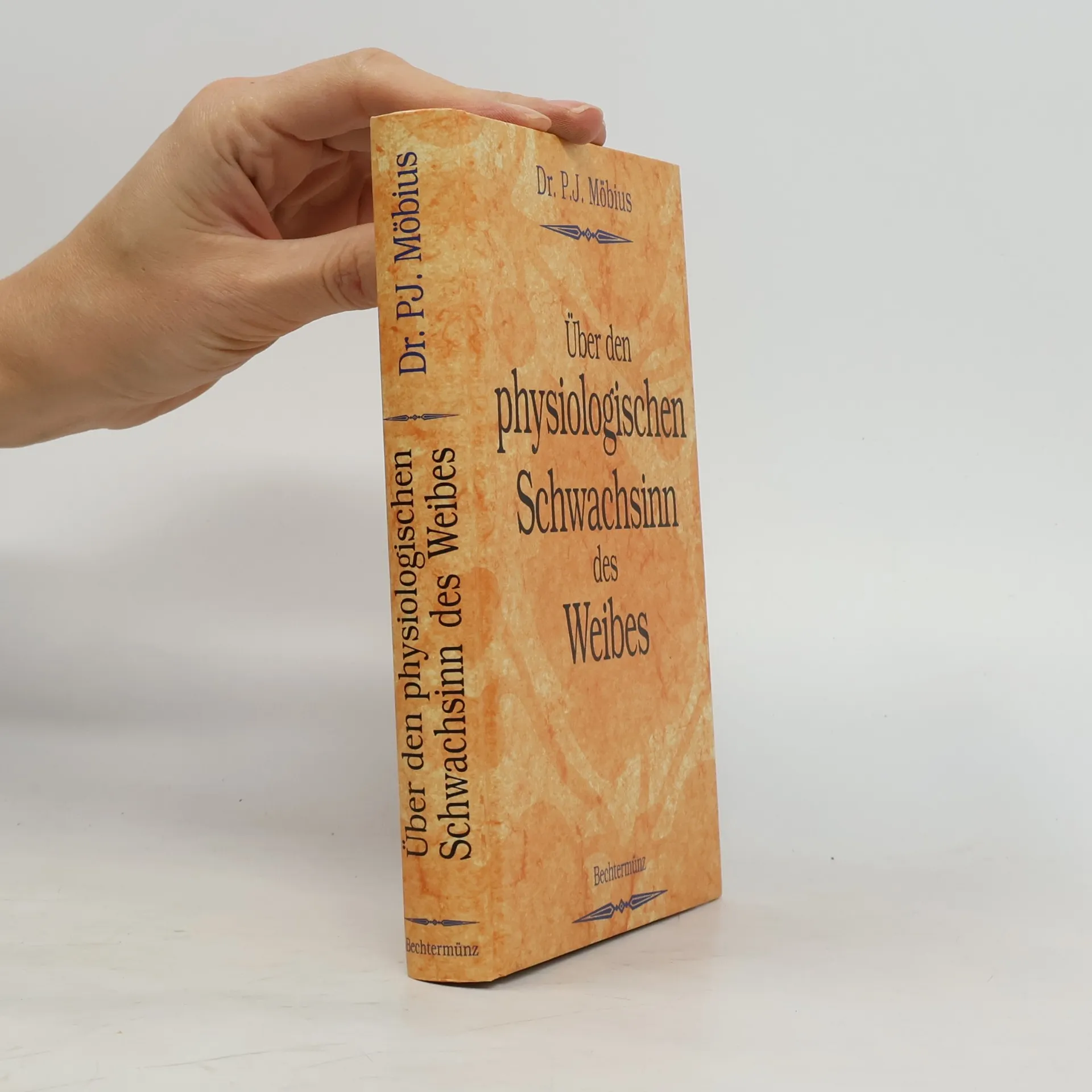
Über den physiologischen Schwachsinn des Weibes, Paul J. Möbius
- Język

- Rok wydania
- 2000
- Oprawa
- (twarda),
- Stan książki
- Uszkodzony
- Cena
- 11,20 zł
Metody płatności
Brakuje nam tutaj Twojej recenzji.
- Tytuł
- Über den physiologischen Schwachsinn des Weibes
- Język
- niemiecki
- Autorzy
- Paul J. Möbius
- Wydawca
- Bechtermünz
- Rok wydania
- 2000
- Oprawa
- twarda
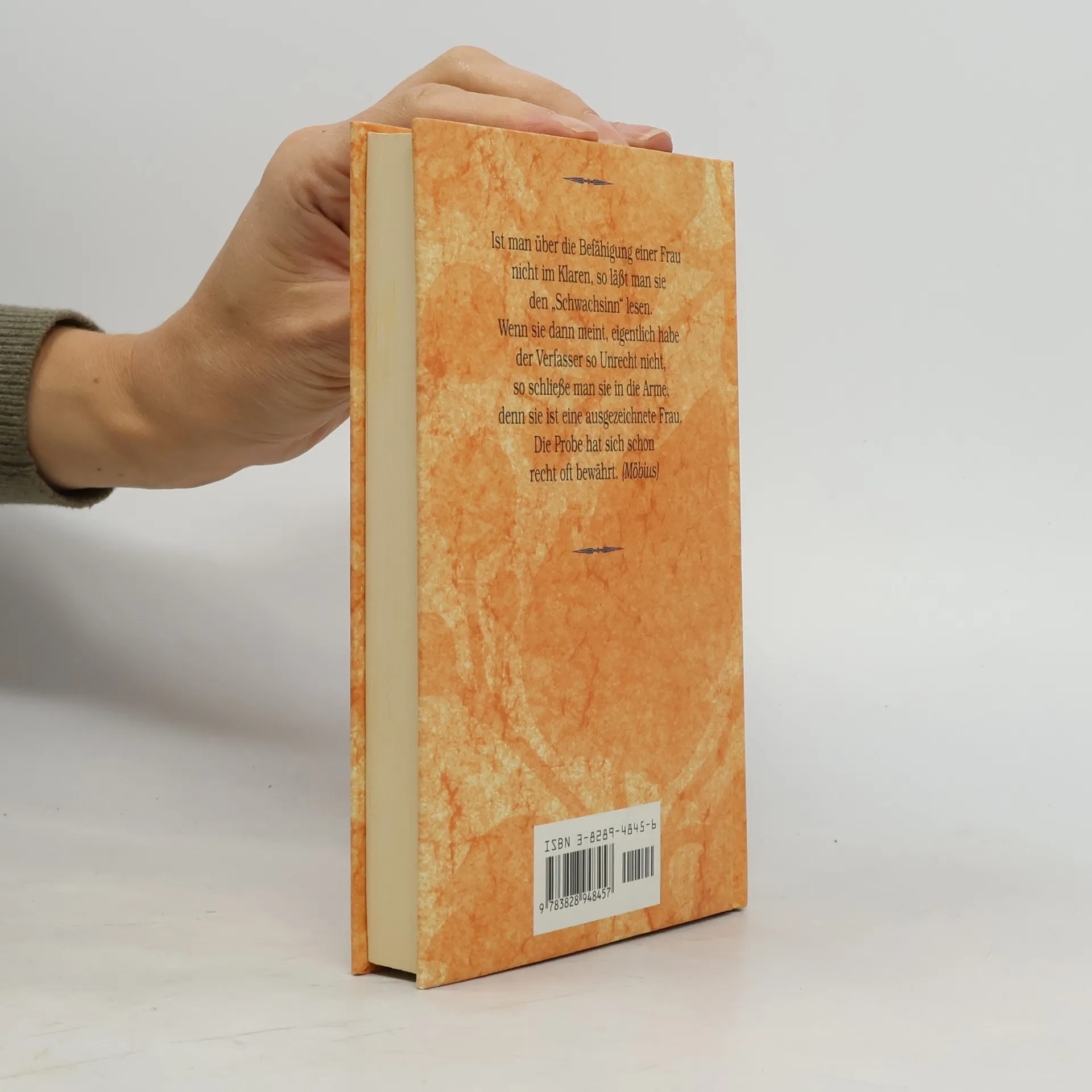
- ISBN10
- 3828948456
- ISBN13
- 9783828948457
- Seria
- Kategorie
- Tagi
- Ocena
- 5 z 5
- Opis
- In this excerpt, the author addresses criticism from Georg Hirth, who feels aggrieved that his critique was not published. The author dismisses the notion that Hirth's critique was "crushing," asserting that he is not intimidated by Hirth's youth. The focus remains on the topic of female weakness rather than male perspectives. The author suggests that Hirth has misunderstood the argument, indicating that clarifying the issue would require extensive explanation, possibly an entire book. Instead, the author invites Hirth to seek clarification of the essay. The tone remains firm yet somewhat dismissive, as the author expresses no further desire to engage beyond this point. The publisher, Forgotten Books, emphasizes its commitment to preserving historical works through advanced technology, ensuring that original formats are maintained while addressing imperfections. They acknowledge that some flaws may still be present in their editions, but these are left intentionally to honor the historical integrity of the texts.