


Więcej o książce
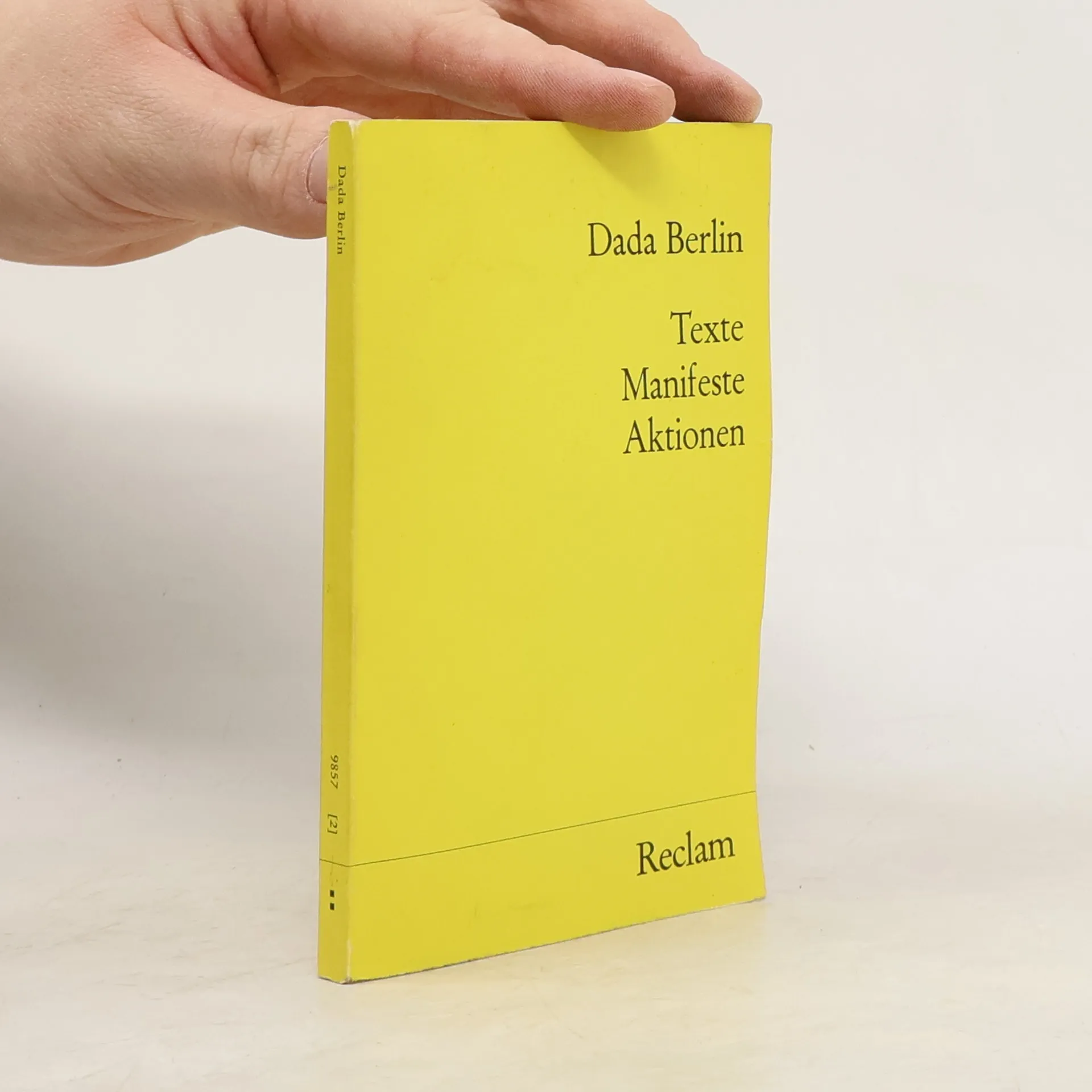
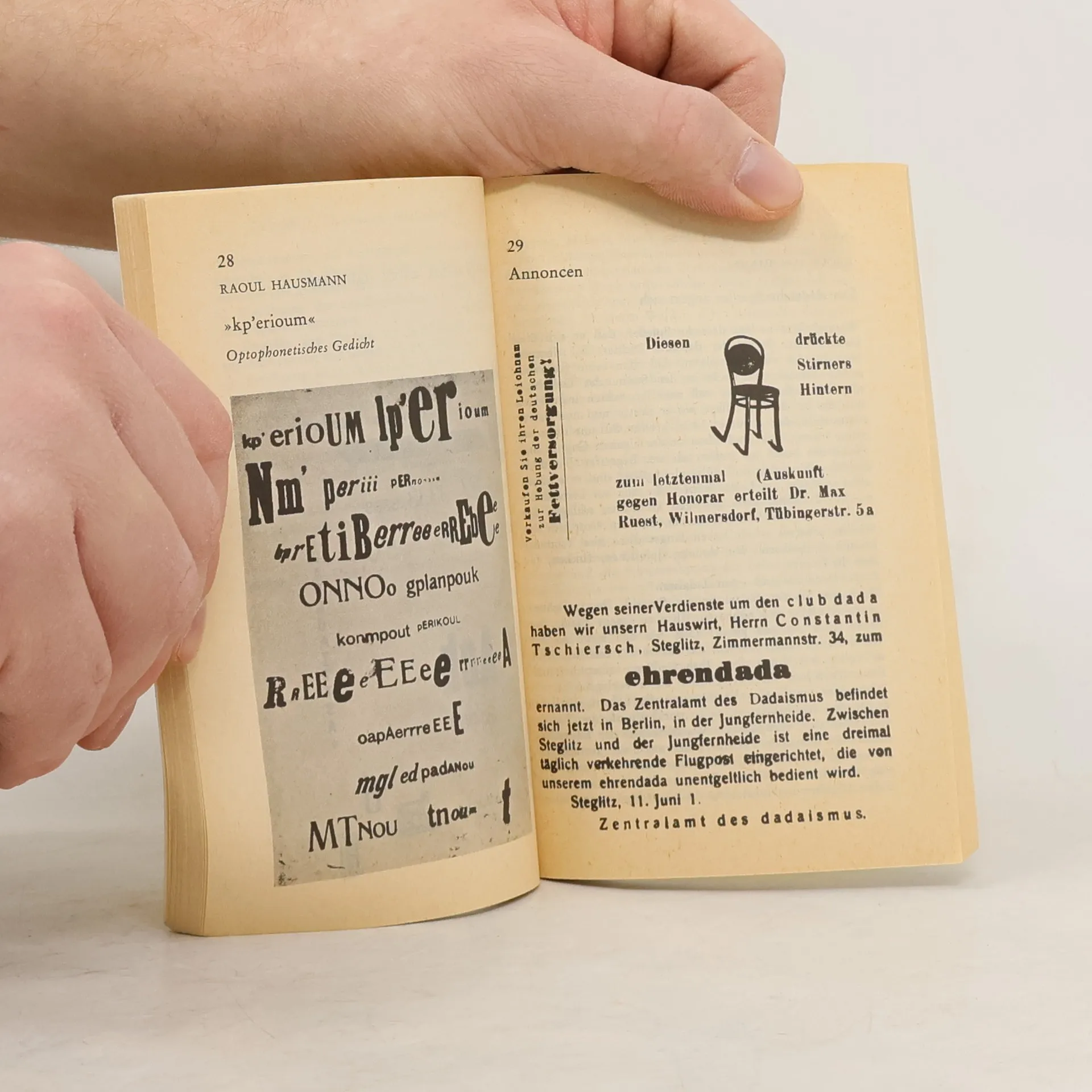
This collection features a diverse array of writings and artworks from key figures of the Dada movement, reflecting its revolutionary spirit and critique of societal norms. It opens with Raoul Hausmann's exploration of Dada's emergence and decline in Berlin, followed by Richard Huelsenbeck's vision of the "new man." The compilation includes manifestos, advertisements, and public invitations that illustrate the movement's ethos and its challenge to conventional art forms. Notable contributions include Johannes Baader's provocative questions about Dadaism and its significance, as well as George Grosz's biting caricatures that critique societal issues. The anthology captures the essence of Dada through various mediums, from Hausmann's synthetic poetry to Huelsenbeck's Dada speeches and political commentaries. It also features visual art, such as Hannah Höch's photomontages, which embody the Dadaist aesthetic. The collection emphasizes Dada's role in challenging the status quo and its impact on the cultural landscape of post-World War I Germany. With a blend of theoretical discourse and artistic expression, it serves as a testament to the movement's enduring legacy and its radical approach to art and society. The inclusion of biographical notes and a comprehensive index further enriches the reader's understanding of this pivotal artistic revolution.
Zakup książki
Dada Berlin, Karl Riha
- Język

- Rok wydania
- 1977
- Oprawa
- (miękka)
Metody płatności
Brakuje nam tutaj Twojej recenzji.
- Tytuł
- Dada Berlin
- Język
- niemiecki
- Autorzy
- Karl Riha
- Wydawca
- Reclam
- Rok wydania
- 1977
- Oprawa
- miękka
- Liczba stron
- 184
- ISBN10
- 3150098572
- ISBN13
- 9783150098578
- Seria
- Tagi
- Berlin, Ekspresjonizm, Awangarda, Dadaizm
- Ocena
- 3,6 z 5
- Opis
- This collection features a diverse array of writings and artworks from key figures of the Dada movement, reflecting its revolutionary spirit and critique of societal norms. It opens with Raoul Hausmann's exploration of Dada's emergence and decline in Berlin, followed by Richard Huelsenbeck's vision of the "new man." The compilation includes manifestos, advertisements, and public invitations that illustrate the movement's ethos and its challenge to conventional art forms. Notable contributions include Johannes Baader's provocative questions about Dadaism and its significance, as well as George Grosz's biting caricatures that critique societal issues. The anthology captures the essence of Dada through various mediums, from Hausmann's synthetic poetry to Huelsenbeck's Dada speeches and political commentaries. It also features visual art, such as Hannah Höch's photomontages, which embody the Dadaist aesthetic. The collection emphasizes Dada's role in challenging the status quo and its impact on the cultural landscape of post-World War I Germany. With a blend of theoretical discourse and artistic expression, it serves as a testament to the movement's enduring legacy and its radical approach to art and society. The inclusion of biographical notes and a comprehensive index further enriches the reader's understanding of this pivotal artistic revolution.