



Więcej o książce
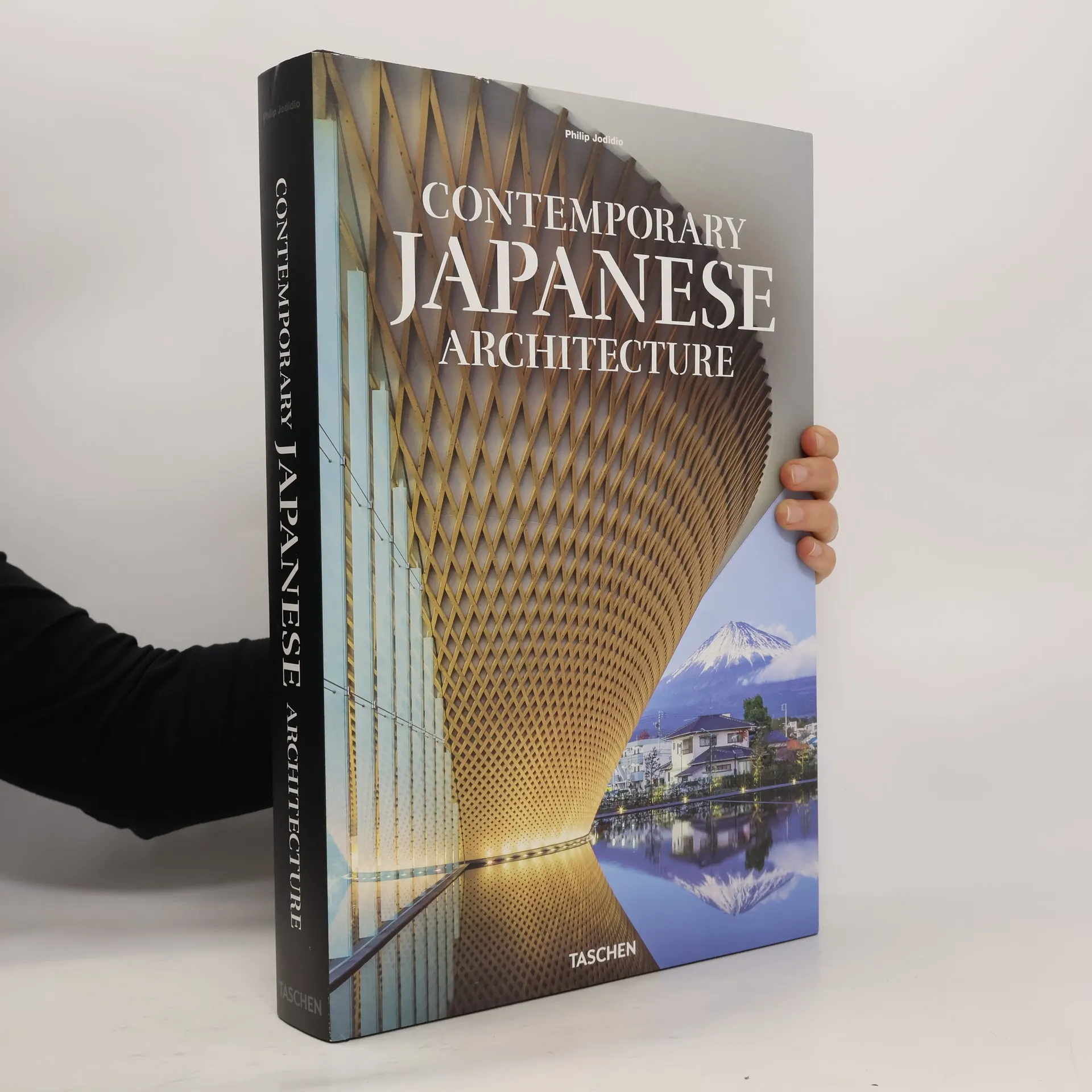
Contemporary architecture in Japan is celebrated for its inventiveness, sustainability, and creativity, with seven architects having received the prestigious Pritzker Prize. Since the Osaka World Expo '70, Japan has been pivotal in global architecture. Tadao Ando, known for his geometric forms, has significantly influenced the cultural landscape, bridging Eastern and Western styles. Following Ando's concrete designs, architects like Kengo Kuma, Shigeru Ban, and Kazuyo Sejima have embraced sustainability, creating structures such as the Japan National Stadium and the Mount Fuji World Heritage Center. Emerging architects continue to explore innovative designs that harmonize with nature and traditional practices, often responding directly to their environments rather than relying solely on plans. This collection showcases the latest developments in Japanese architecture, reflecting the country's unique challenges, including high population density, a modern economy, and frequent natural disasters. The acceptance of ambiguity and change is central to understanding the distinctiveness of Japanese architecture compared to European or American styles. This extensive volume features 39 architects and 55 remarkable projects, complete with photographs, floor plans, and insightful descriptions. An essay traces the evolution of Japan's architectural scene from the Metabolists to the present, highlighting the interplay of history and moder
Zakup książki
Contemporary Japanese Architecture, Philip Jodidio
- Język

- Rok wydania
- 2021
- Oprawa
- (twarda)
Metody płatności
Brakuje nam tutaj Twojej recenzji.
- Tytuł
- Contemporary Japanese Architecture
- Język
- angielski
- Autorzy
- Philip Jodidio
- Wydawca
- Taschen
- Rok wydania
- 2021
- Oprawa
- twarda
- Liczba stron
- 448
- ISBN10
- 3836575108
- ISBN13
- 9783836575102
- Seria
- Tagi
- Architektura
- Ocena
- 4,1 z 5
- Opis
- Contemporary architecture in Japan is celebrated for its inventiveness, sustainability, and creativity, with seven architects having received the prestigious Pritzker Prize. Since the Osaka World Expo '70, Japan has been pivotal in global architecture. Tadao Ando, known for his geometric forms, has significantly influenced the cultural landscape, bridging Eastern and Western styles. Following Ando's concrete designs, architects like Kengo Kuma, Shigeru Ban, and Kazuyo Sejima have embraced sustainability, creating structures such as the Japan National Stadium and the Mount Fuji World Heritage Center. Emerging architects continue to explore innovative designs that harmonize with nature and traditional practices, often responding directly to their environments rather than relying solely on plans. This collection showcases the latest developments in Japanese architecture, reflecting the country's unique challenges, including high population density, a modern economy, and frequent natural disasters. The acceptance of ambiguity and change is central to understanding the distinctiveness of Japanese architecture compared to European or American styles. This extensive volume features 39 architects and 55 remarkable projects, complete with photographs, floor plans, and insightful descriptions. An essay traces the evolution of Japan's architectural scene from the Metabolists to the present, highlighting the interplay of history and moder