


Więcej o książce
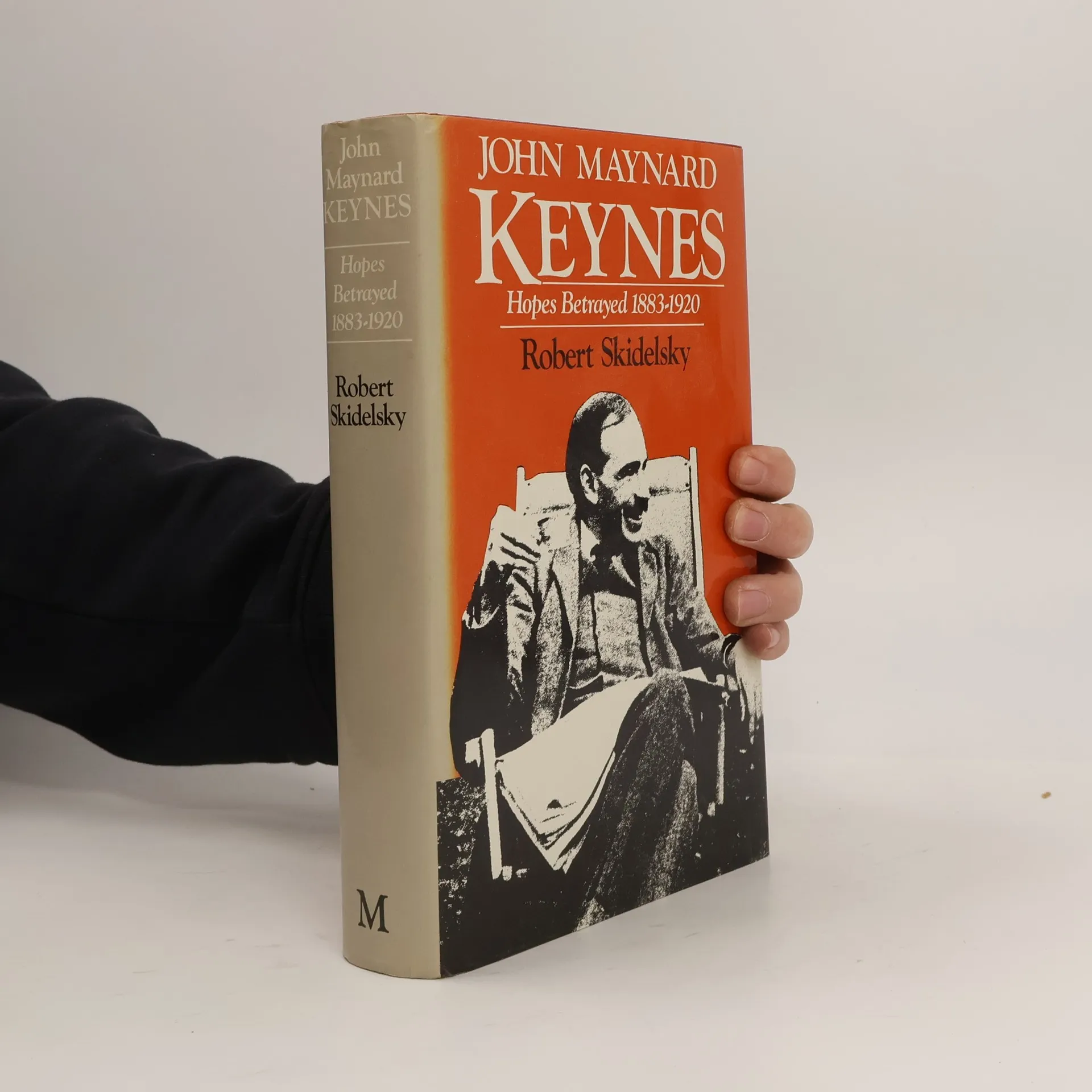
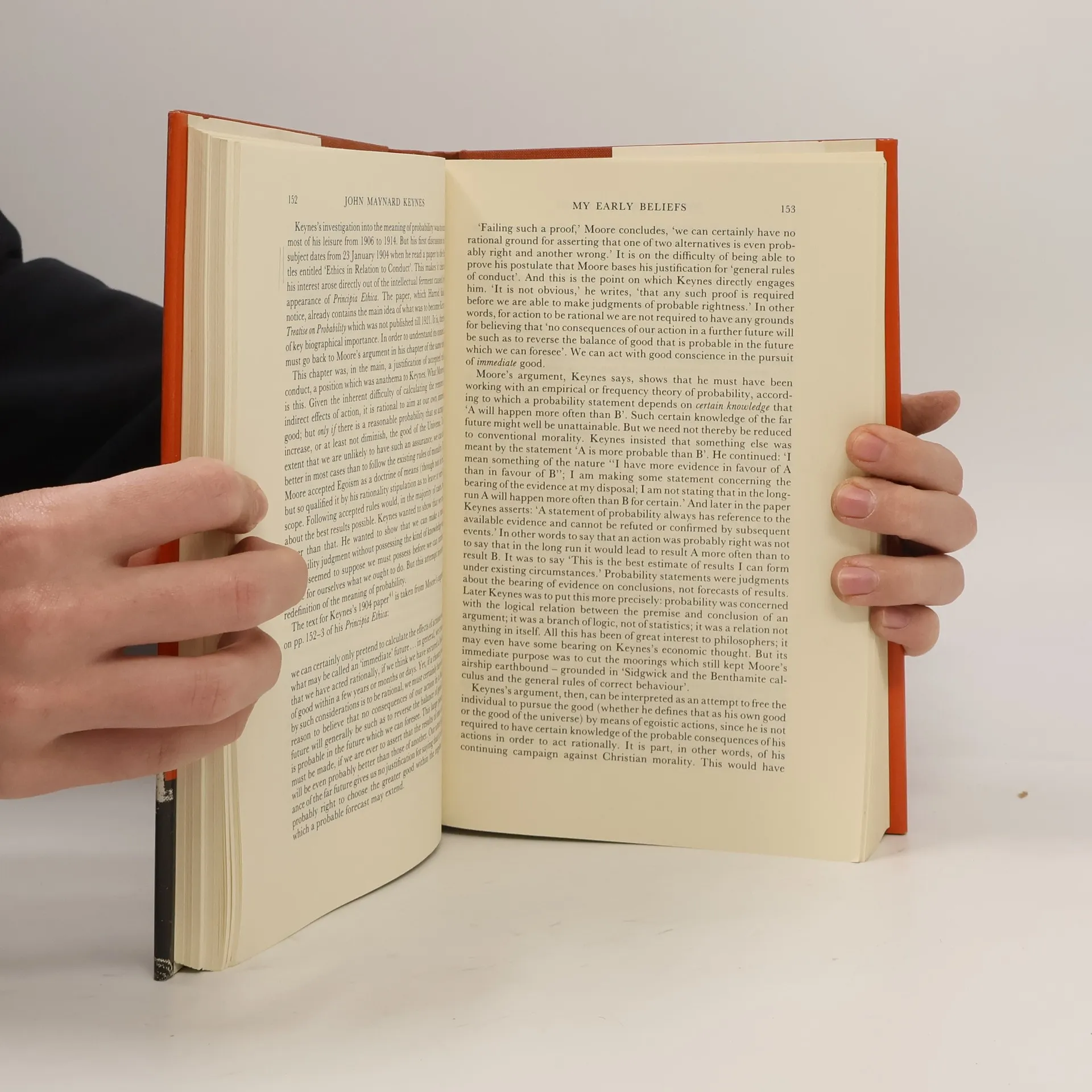
This first volume of Robert Skidelsky's exploration of the life and ideas of a renowned economist-statesman details how a remarkable individual engaged with the pressing issues of his time and significantly influenced them. The richness of Keynes's character and talents explains his achievements and creates an underlying tension, as he grappled with the demands of friendship, beauty, and philosophy against the backdrop of public life, never fully reconciling the 'aesthetic' and 'managerial' aspects of his persona. Skidelsky skillfully illustrates Keynes's extraordinary mental and spiritual agility, allowing him to navigate multiple roles without haste. As a schoolboy, he remained unfazed by his father's meticulous educational concerns. At Cambridge, he was influenced by G. E. Moore and a generation that dismissed Victorian ethics, valuing good states of mind. The narrative delves into Keynes's relationships with the Cambridge Apostles and Bloomsbury friends, revealing insights into his life and thought. Skidelsky examines his connections with figures like Lytton Strachey and Duncan Grant, as well as his perspective on the Great War. The volume brings to life his early reflections on probability, economics, and conscientious objection. It concludes with a pivotal moment in Keynes's life: the Paris Peace Conference and his writing of The Economic Consequences of the Peace, marking his commitment to addressing the threats to civi


Zakup książki
John Maynard Keynes, Robert Jacob Alexander Skidelsky
- Język

- Rok wydania
- 1983
- Oprawa
- (twarda)
Metody płatności
Brakuje nam tutaj Twojej recenzji.
- Tytuł
- John Maynard Keynes
- Podtytuł
- Hopes Betrayed, 1883-1920
- Język
- angielski
- Wydawca
- Gage Distribution Co
- Rok wydania
- 1983
- Oprawa
- twarda
- Liczba stron
- 480
- ISBN10
- 0333115996
- ISBN13
- 9780333115992
- Seria
- John Maynard Keynes
- Ocena
- 4,45 z 5
- Opis
- This first volume of Robert Skidelsky's exploration of the life and ideas of a renowned economist-statesman details how a remarkable individual engaged with the pressing issues of his time and significantly influenced them. The richness of Keynes's character and talents explains his achievements and creates an underlying tension, as he grappled with the demands of friendship, beauty, and philosophy against the backdrop of public life, never fully reconciling the 'aesthetic' and 'managerial' aspects of his persona. Skidelsky skillfully illustrates Keynes's extraordinary mental and spiritual agility, allowing him to navigate multiple roles without haste. As a schoolboy, he remained unfazed by his father's meticulous educational concerns. At Cambridge, he was influenced by G. E. Moore and a generation that dismissed Victorian ethics, valuing good states of mind. The narrative delves into Keynes's relationships with the Cambridge Apostles and Bloomsbury friends, revealing insights into his life and thought. Skidelsky examines his connections with figures like Lytton Strachey and Duncan Grant, as well as his perspective on the Great War. The volume brings to life his early reflections on probability, economics, and conscientious objection. It concludes with a pivotal moment in Keynes's life: the Paris Peace Conference and his writing of The Economic Consequences of the Peace, marking his commitment to addressing the threats to civi