

Więcej o książce
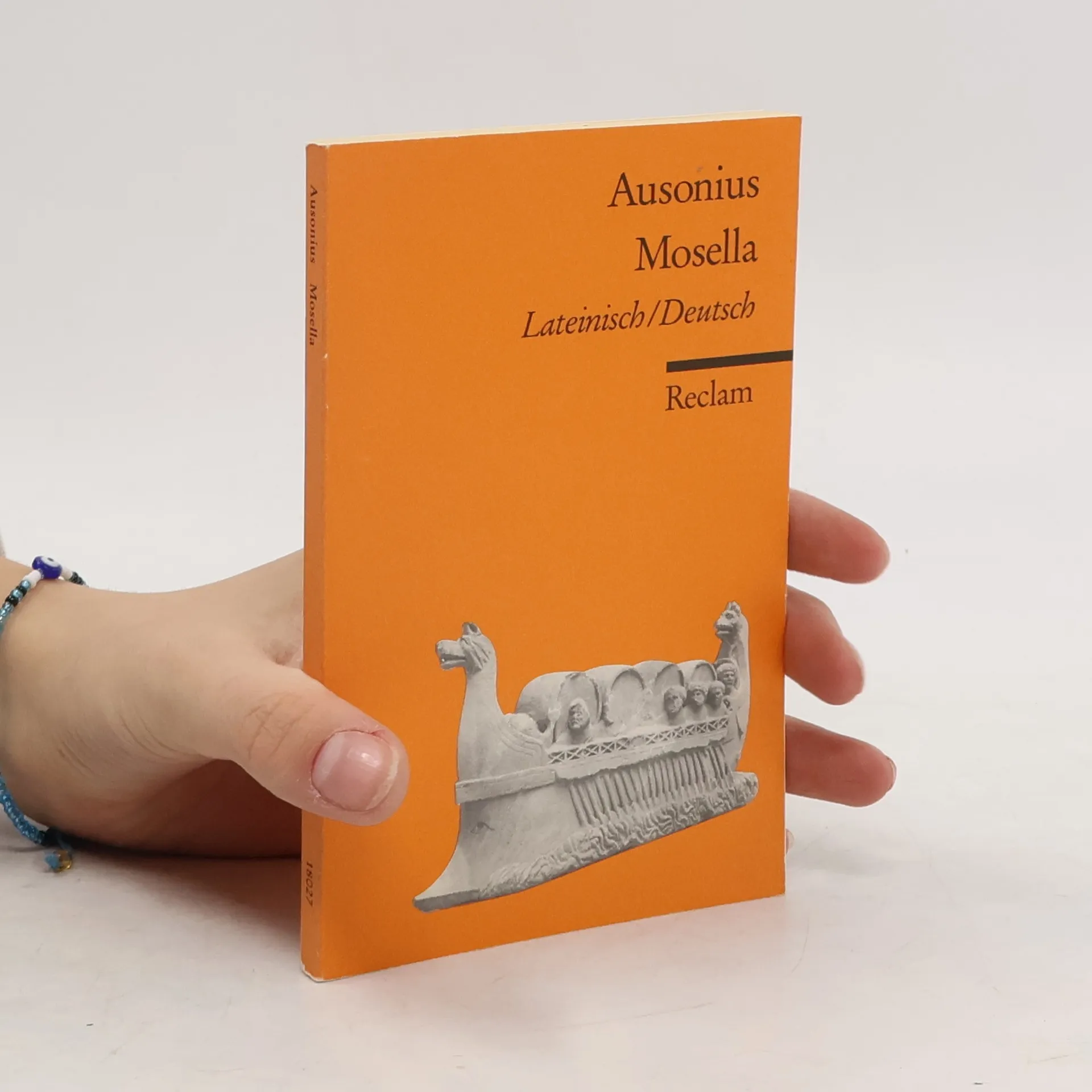
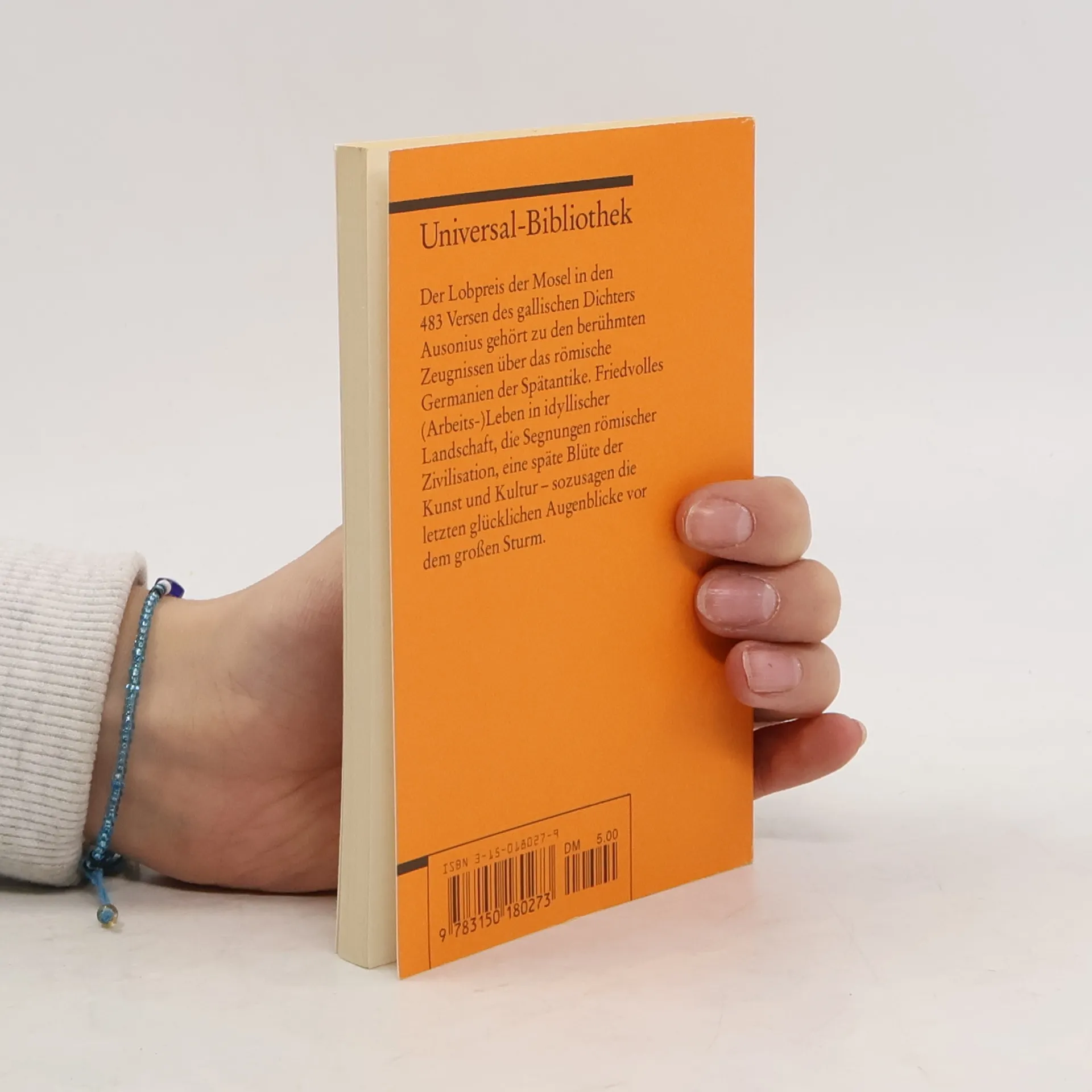
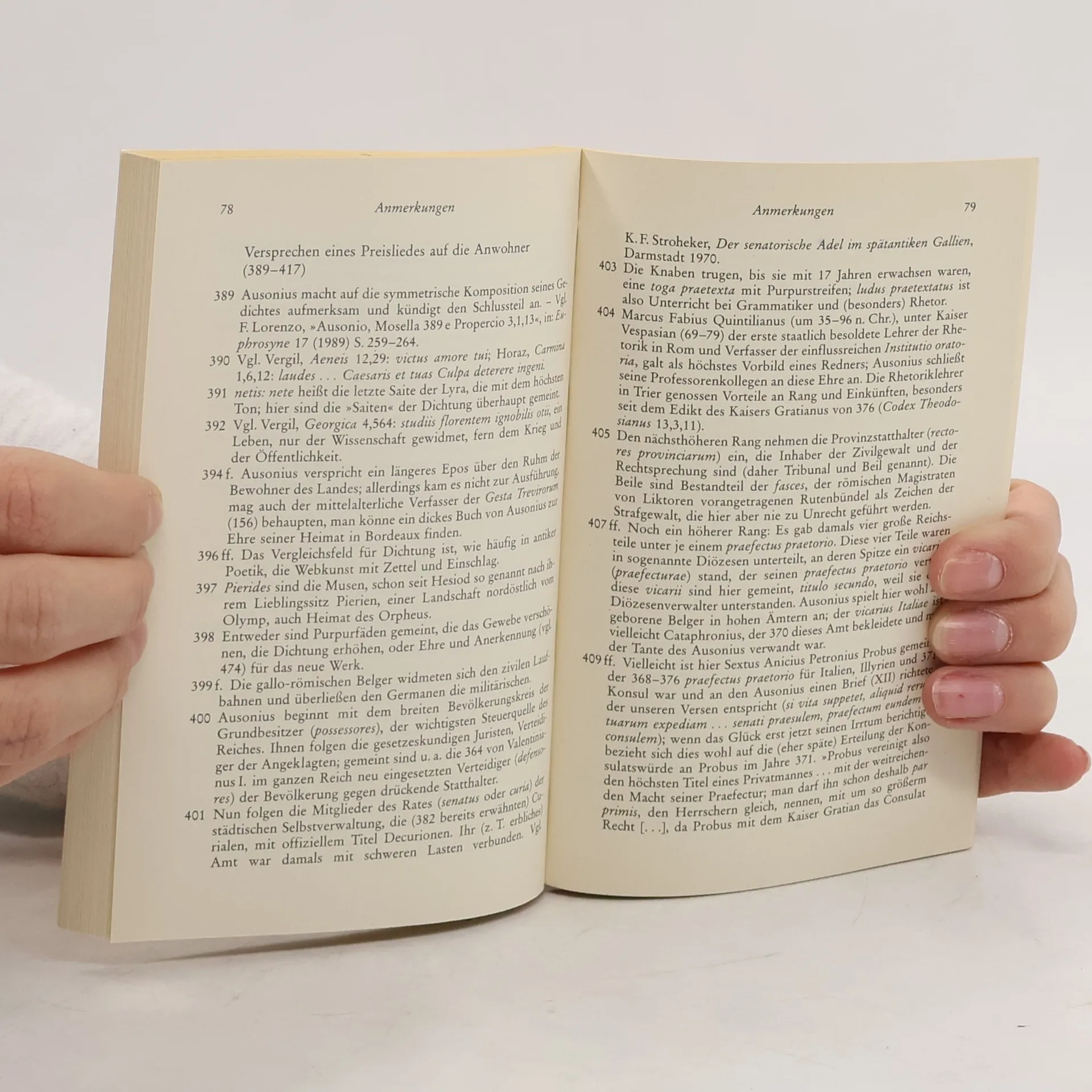
This work presents a collection of poems by Decimus Magnus Ausonius and Venantius Fortunatus, accompanied by critical notes and brief biographies of the poets. Nearly twenty years ago, the author translated and explained Ausonius's praise of the Mosel River, creating a cherished gift for a beloved father. This revised edition serves as a token of love, enhanced through careful revisions to improve readability and accuracy. The annotations have been refined to aid even the scholarly reader in understanding the artistic nuances. Additionally, three poems by Fortunatus, focusing on the Mosel, are introduced for the first time, complete with translations and notes. While the verses may not hold intrinsic value, they celebrate themes that brought joy to the author's parents. Regrettably, the author only discovered these poems too late to share them with his beloved family. This edition, alongside the original work, is offered as a heartfelt memento. Although some content may have been improved during the editing process, the author acknowledges that a new, demanding project diverted attention during the final stages of preparation.


Zakup książki
Mosella, Decimus Magnus Ausonius
- Język


- Rok wydania
- 2000
- Oprawa
- (miękka)
Metody płatności
Brakuje nam tutaj Twojej recenzji.
- Tytuł
- Mosella
- Język
- niemiecki, łacina
- Autorzy
- Decimus Magnus Ausonius
- Wydawca
- Reclam
- Rok wydania
- 2000
- Oprawa
- miękka
- ISBN10
- 3150180279
- ISBN13
- 9783150180273
- Seria
- Tagi
- Tematy historyczne, Miłość, Rodzina
- Ocena
- 3,4 z 5
- Opis
- This work presents a collection of poems by Decimus Magnus Ausonius and Venantius Fortunatus, accompanied by critical notes and brief biographies of the poets. Nearly twenty years ago, the author translated and explained Ausonius's praise of the Mosel River, creating a cherished gift for a beloved father. This revised edition serves as a token of love, enhanced through careful revisions to improve readability and accuracy. The annotations have been refined to aid even the scholarly reader in understanding the artistic nuances. Additionally, three poems by Fortunatus, focusing on the Mosel, are introduced for the first time, complete with translations and notes. While the verses may not hold intrinsic value, they celebrate themes that brought joy to the author's parents. Regrettably, the author only discovered these poems too late to share them with his beloved family. This edition, alongside the original work, is offered as a heartfelt memento. Although some content may have been improved during the editing process, the author acknowledges that a new, demanding project diverted attention during the final stages of preparation.