

Więcej o książce
Charlotte Brontë's novel "Shirley" explores themes of social upheaval and personal conflict during the Napoleonic Wars and the early 19th-century Luddite movement. The story follows Caroline Helstone, whose path to love is obstructed by her wealthy friend, Shirley Keeldar. The narrative delves into the struggles of the proletariat as the industrial revolution leads to job losses, exacerbated by blockades and the decline of markets for English goods in Europe and America. Robert Gérard Moore, a determined entrepreneur of mixed English and Belgian descent, introduces new machinery despite worker unrest, which escalates from machine destruction to threats against his life. "Shirley" is Brontë's only novel not told in the first person, yet it employs a blend of direct and indirect narrative styles, frequently addressing the reader and offering personal reflections. Through the character of Shirley, Brontë crafts a memorable portrait of her sister Emily, while the clergyman Mr. Helston likely reflects her father, with Caroline resembling the author herself.

Zakup książki
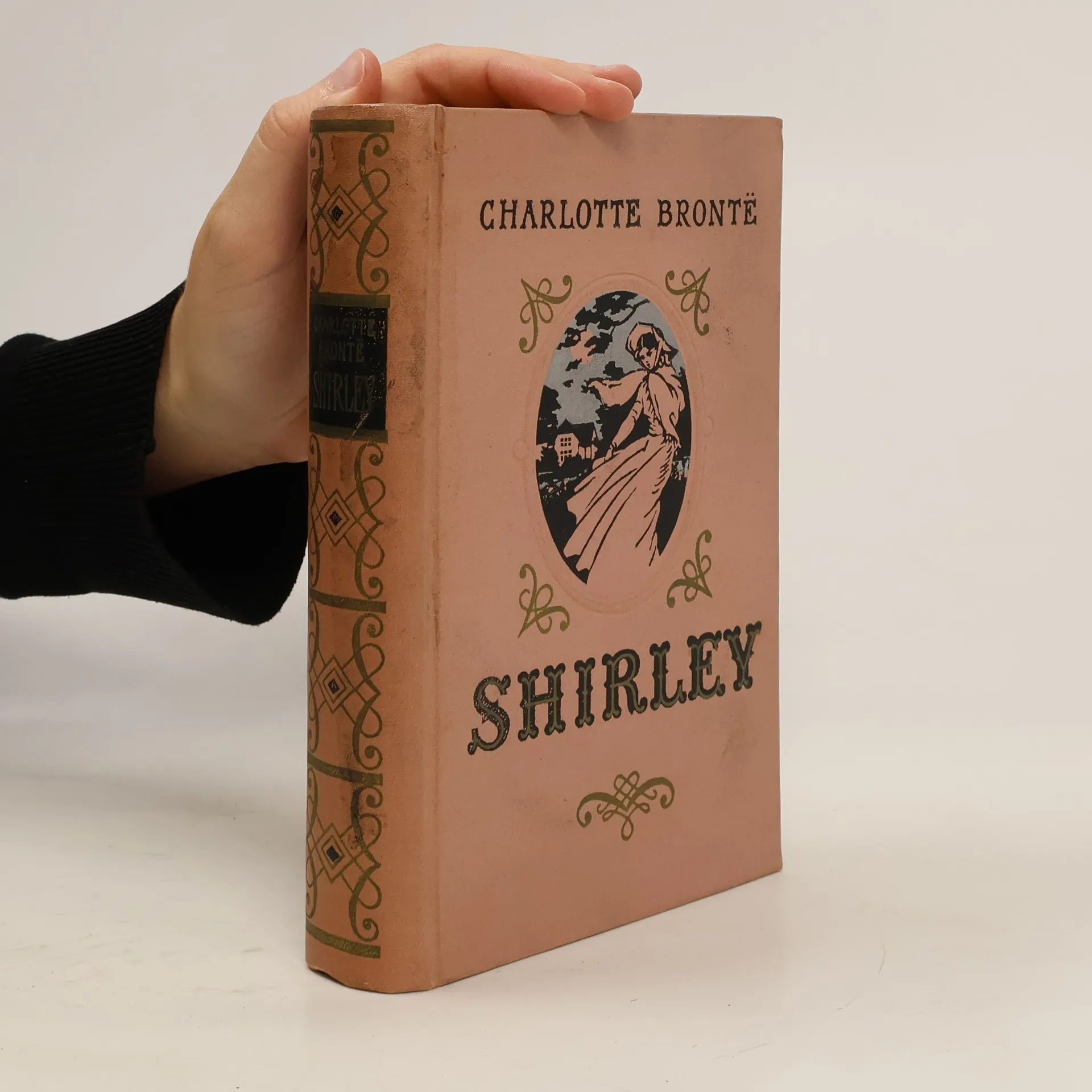
Shirley, Charlotte Brontë
- Język


- Rok wydania
- 1956
- Oprawa
- (twarda)
Metody płatności
Brakuje nam tutaj Twojej recenzji.
- Tytuł
- Shirley
- Język
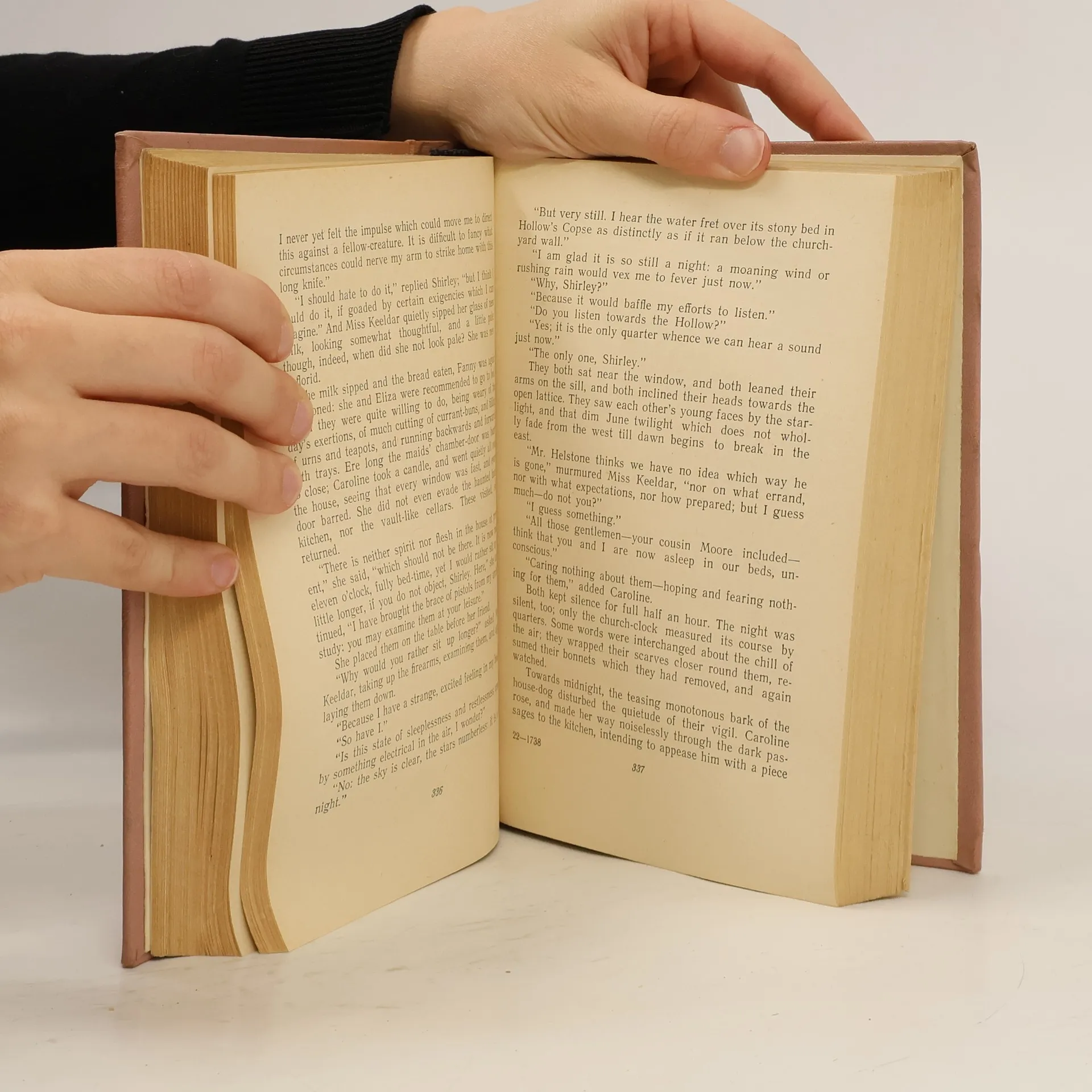
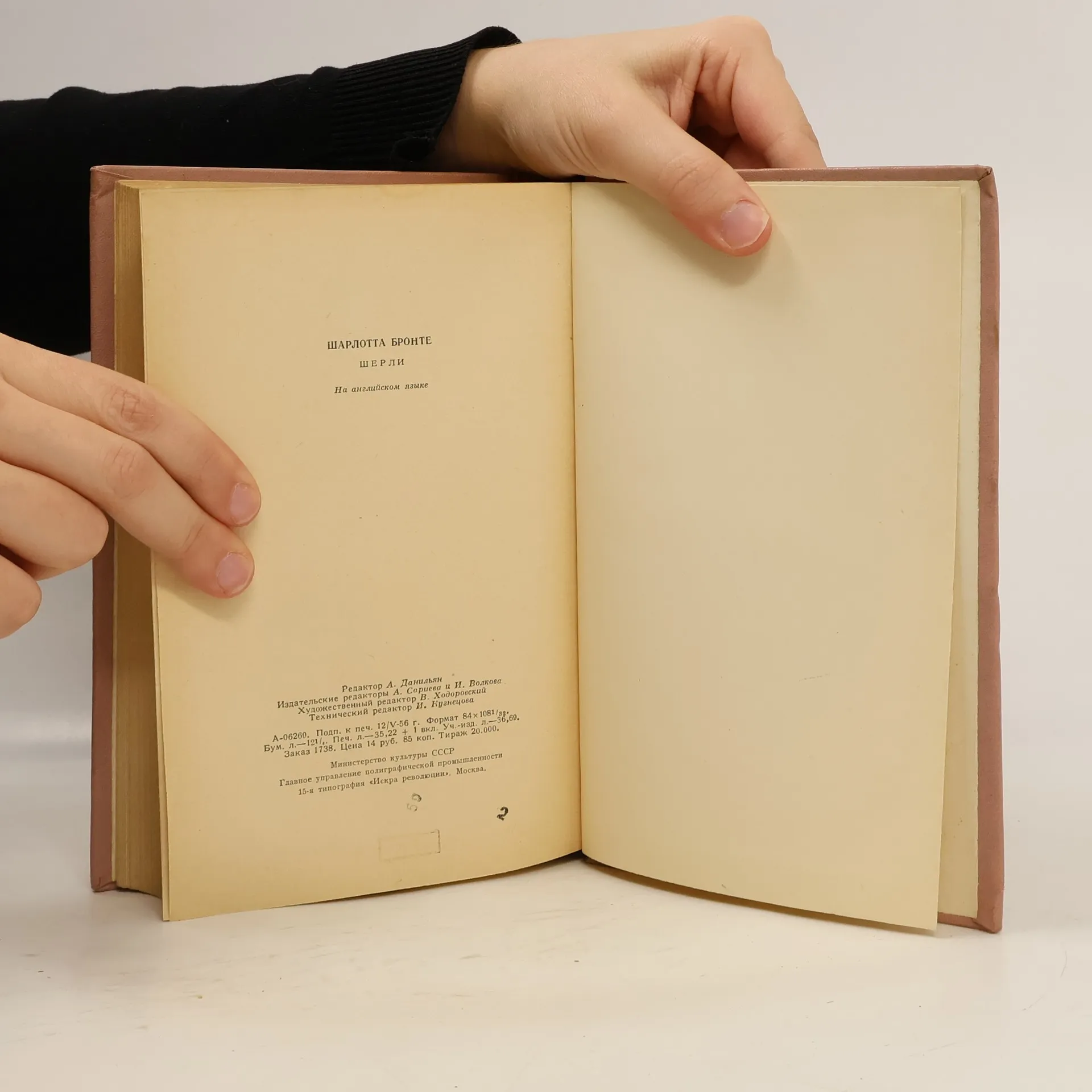
- angielski, rosyjski
- Autorzy
- Charlotte Brontë
- Rok wydania
- 1956
- Oprawa
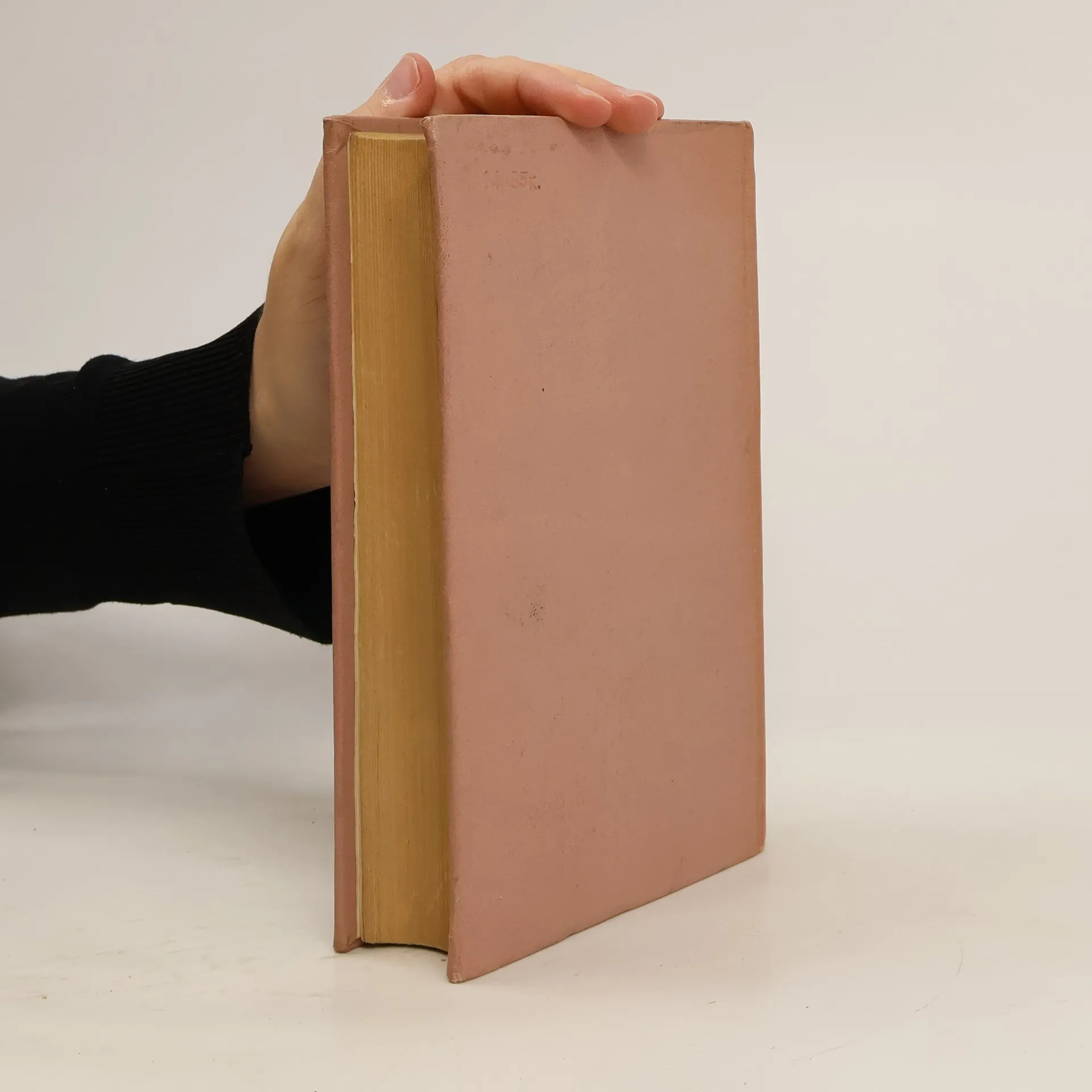
- twarda
- Seria
- Tagi
- Miłość, Rodzina, Kobiety, Przyjaźń, Literatura brytyjska, XIX wiek, Społeczeństwo, Anglia, Wielka Brytania, Los, Industrializacja, Rewolucja przemysłowa
- Pierwsze wydanie
- 1849
- Oryginalna nazwa
- Shirley
- Ocena
- 3,75 z 5
- Opis
- Charlotte Brontë's novel "Shirley" explores themes of social upheaval and personal conflict during the Napoleonic Wars and the early 19th-century Luddite movement. The story follows Caroline Helstone, whose path to love is obstructed by her wealthy friend, Shirley Keeldar. The narrative delves into the struggles of the proletariat as the industrial revolution leads to job losses, exacerbated by blockades and the decline of markets for English goods in Europe and America. Robert Gérard Moore, a determined entrepreneur of mixed English and Belgian descent, introduces new machinery despite worker unrest, which escalates from machine destruction to threats against his life. "Shirley" is Brontë's only novel not told in the first person, yet it employs a blend of direct and indirect narrative styles, frequently addressing the reader and offering personal reflections. Through the character of Shirley, Brontë crafts a memorable portrait of her sister Emily, while the clergyman Mr. Helston likely reflects her father, with Caroline resembling the author herself.