



Parametry
Więcej o książce
What qualities make a leader succeed in business or politics today? In an era transformed by the information revolution and rising mistrust of leaders, our understanding of leadership needs redefinition. Joseph S. Nye, Jr. explores the nature of leadership in the contemporary world through a blend of history, business case studies, and psychological research. He notes that authoritarian leadership styles have largely been replaced by soft power approaches that focus on attraction and persuasion. However, Nye argues that the most effective leaders combine both hard and soft power skills, adapting their approach to different situations—a concept he terms "smart power." Drawing on examples from leaders like Gandhi, Franklin D. Roosevelt, Lee Iacocca, and George W. Bush, Nye examines leadership types, the needs of followers, and the ethics and effectiveness of leadership. One notable chapter delves into contextual intelligence, the ability to adapt to changing environments and capitalize on trends. Rich in analysis and anecdotes, this work is grounded in real-world applications, making it relevant across various fields, from small businesses to global governance.


Zakup książki
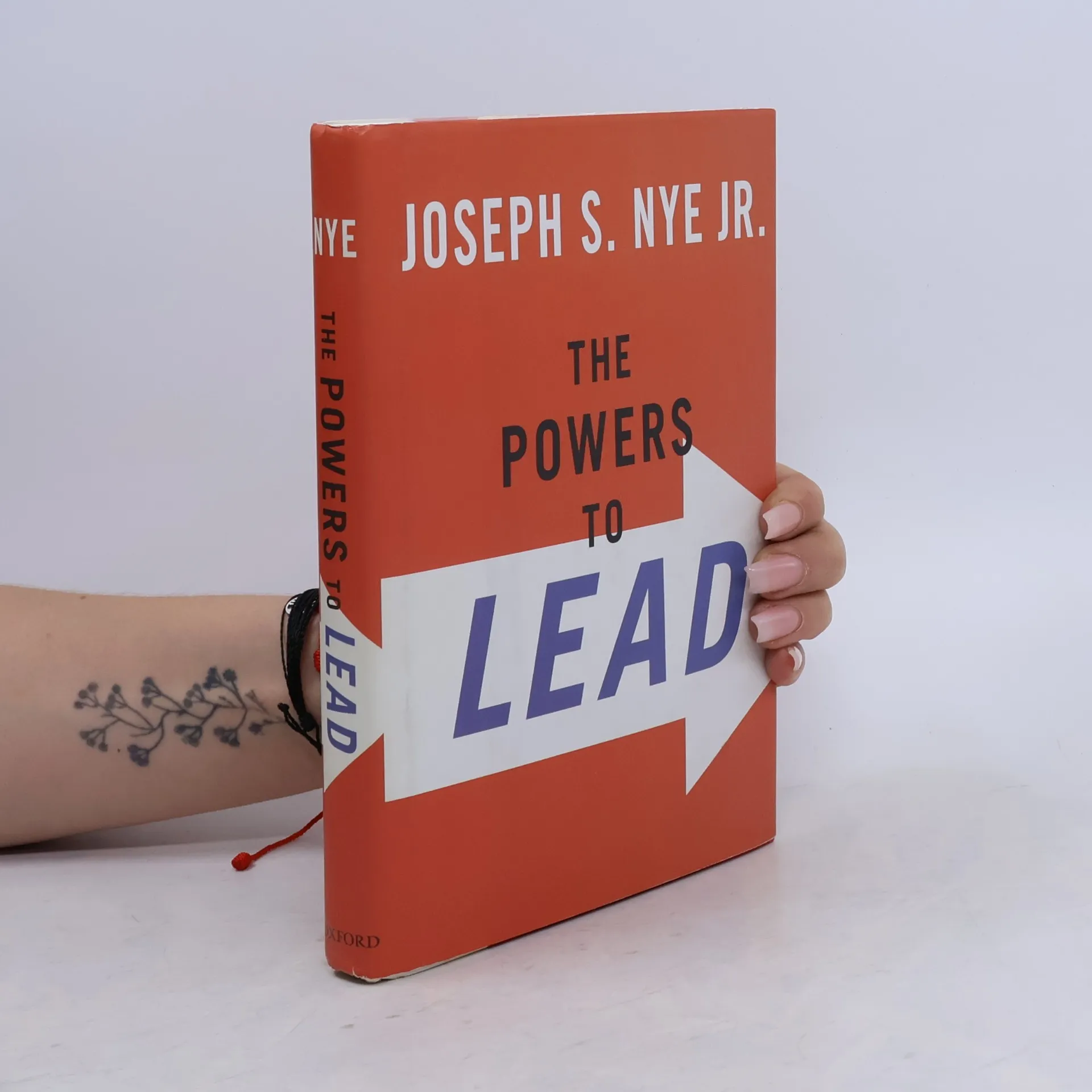
The powers to lead, Joseph S. Nye
- Język

- Rok wydania
- 2008
- Oprawa
- (twarda)
Metody płatności
Brakuje nam tutaj Twojej recenzji.
- Tytuł
- The powers to lead
- Język
- angielski
- Autorzy
- Joseph S. Nye
- Wydawca
- Oxford University Press
- Rok wydania
- 2008
- Oprawa
- twarda
- ISBN10
- 0195335627
- ISBN13
- 9780195335620
- Seria
- Kategorie
- Ocena
- 3,5 z 5
- Opis
- What qualities make a leader succeed in business or politics today? In an era transformed by the information revolution and rising mistrust of leaders, our understanding of leadership needs redefinition. Joseph S. Nye, Jr. explores the nature of leadership in the contemporary world through a blend of history, business case studies, and psychological research. He notes that authoritarian leadership styles have largely been replaced by soft power approaches that focus on attraction and persuasion. However, Nye argues that the most effective leaders combine both hard and soft power skills, adapting their approach to different situations—a concept he terms "smart power." Drawing on examples from leaders like Gandhi, Franklin D. Roosevelt, Lee Iacocca, and George W. Bush, Nye examines leadership types, the needs of followers, and the ethics and effectiveness of leadership. One notable chapter delves into contextual intelligence, the ability to adapt to changing environments and capitalize on trends. Rich in analysis and anecdotes, this work is grounded in real-world applications, making it relevant across various fields, from small businesses to global governance.