

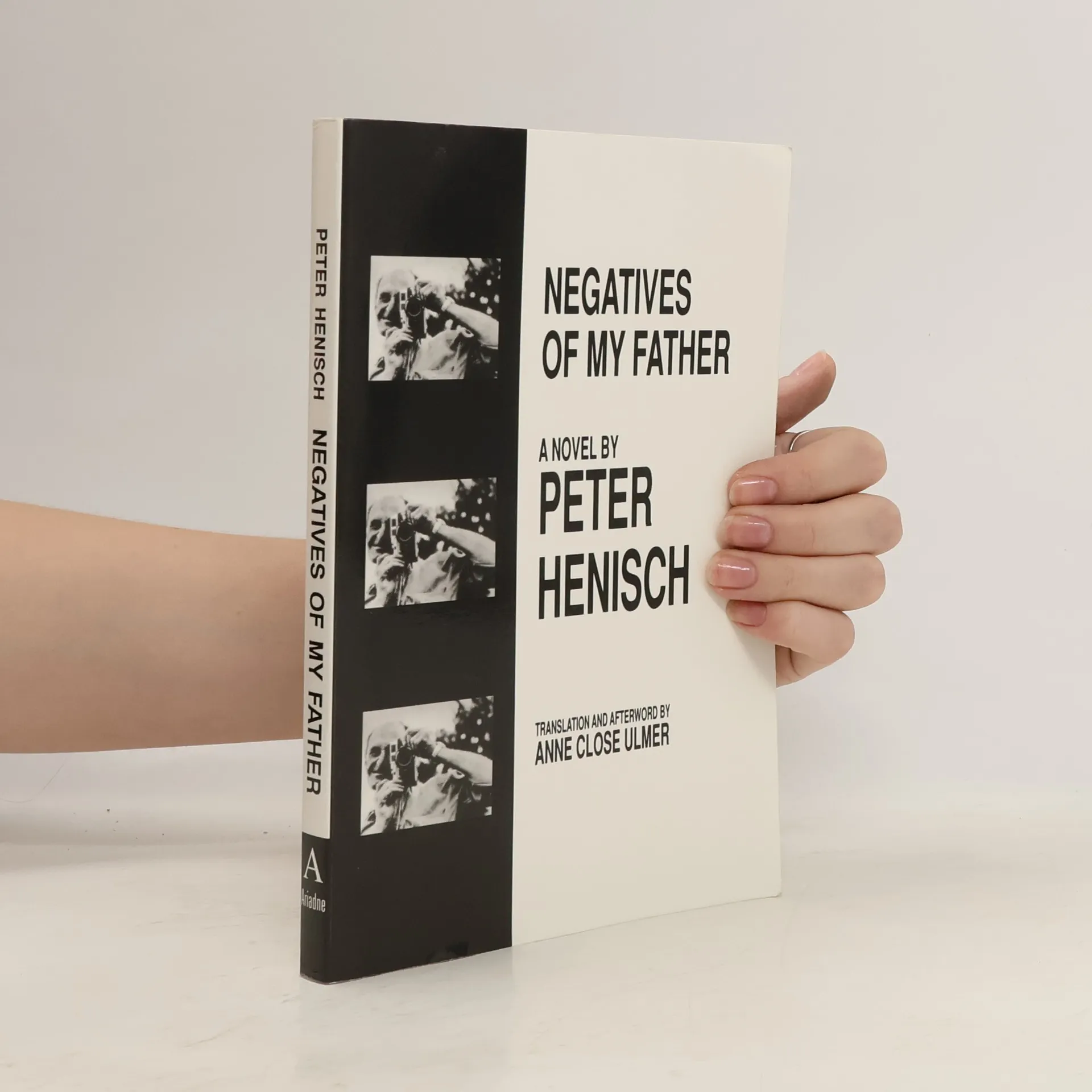


Parametry
- 190 stron
- 7 godzin czytania
Więcej o książce
Negatives of my Father explores the special relationship between the author and his father, a well-known press photographer, to reflect the generation conflict which was intensified by his father's absences and actions during World War II. Both the press photographer and the writer are artists, exploiting reality as material for their respective arts, but they hold contrasting views of reality and cannot resolve their artistic and moral differences. The father, proud of his achievements as a war photographer, feels that he could carry out his duties without involvement in the moral issues, while the son rejects this attitude as an abrogation of moral responsibility. After his father's death the son reaches a more sympathetic understanding of his father's point of view.

Zakup książki
Negatives of My Father, Peter Henisch
- Język

- Rok wydania
- 1990
- Oprawa
- (miękka)
Metody płatności
Brakuje nam tutaj Twojej recenzji.
- Tytuł
- Negatives of My Father
- Język
- angielski
- Autorzy
- Peter Henisch
- Wydawca
- Ariadne Press
- Rok wydania
- 1990
- Oprawa
- miękka
- Liczba stron
- 190
- ISBN10
- 0929497236
- ISBN13
- 9780929497235
- Seria
- Kategorie
- Tagi
- Tematy historyczne, Rodzina, II Wojna Światowa, Dziennikarstwo & Publicystyka, Propaganda, Literatura austriacka, Wojna Światowa, Reporterzy
- Ocena
- 3,85 z 5
- Opis
- Negatives of my Father explores the special relationship between the author and his father, a well-known press photographer, to reflect the generation conflict which was intensified by his father's absences and actions during World War II. Both the press photographer and the writer are artists, exploiting reality as material for their respective arts, but they hold contrasting views of reality and cannot resolve their artistic and moral differences. The father, proud of his achievements as a war photographer, feels that he could carry out his duties without involvement in the moral issues, while the son rejects this attitude as an abrogation of moral responsibility. After his father's death the son reaches a more sympathetic understanding of his father's point of view.