


Więcej o książce
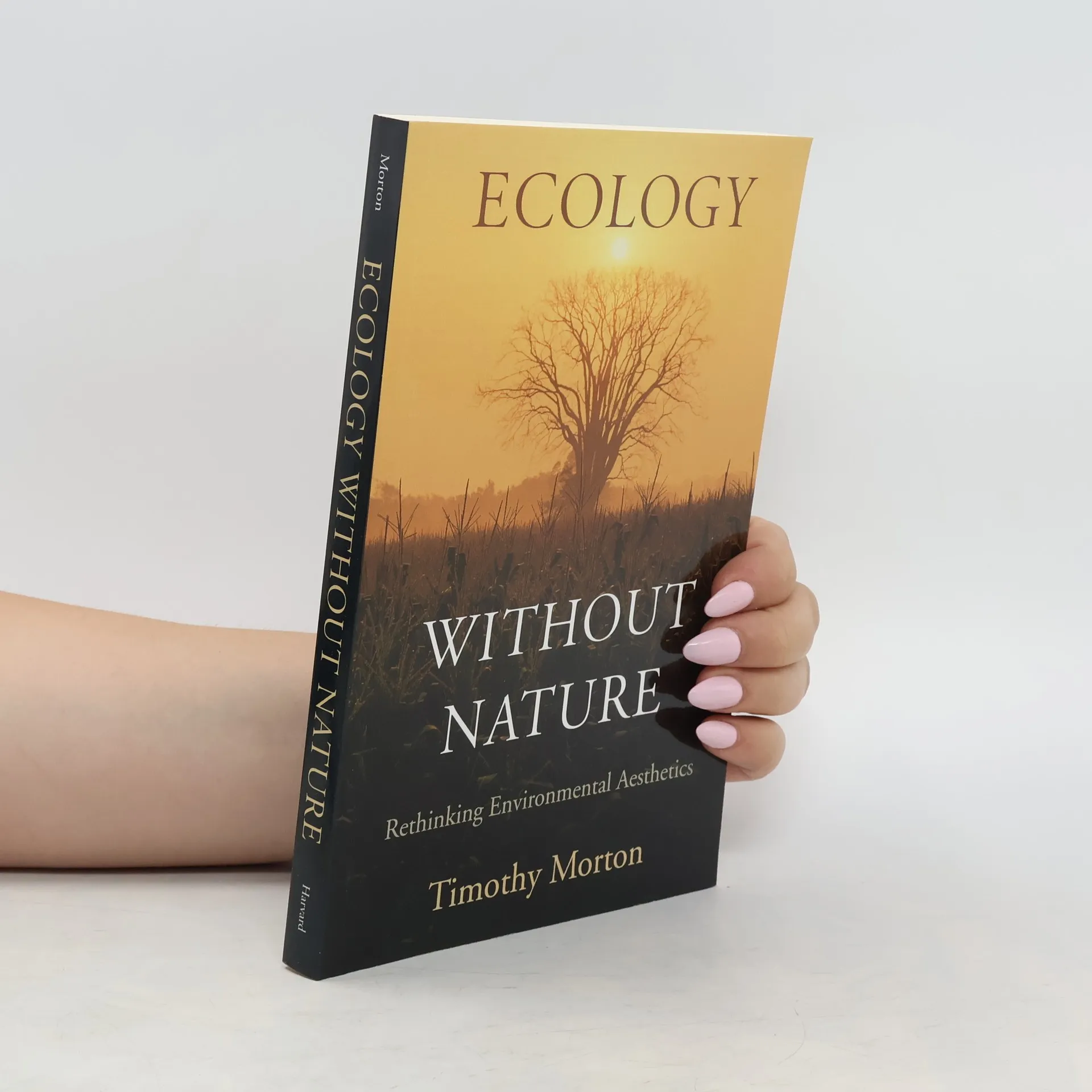
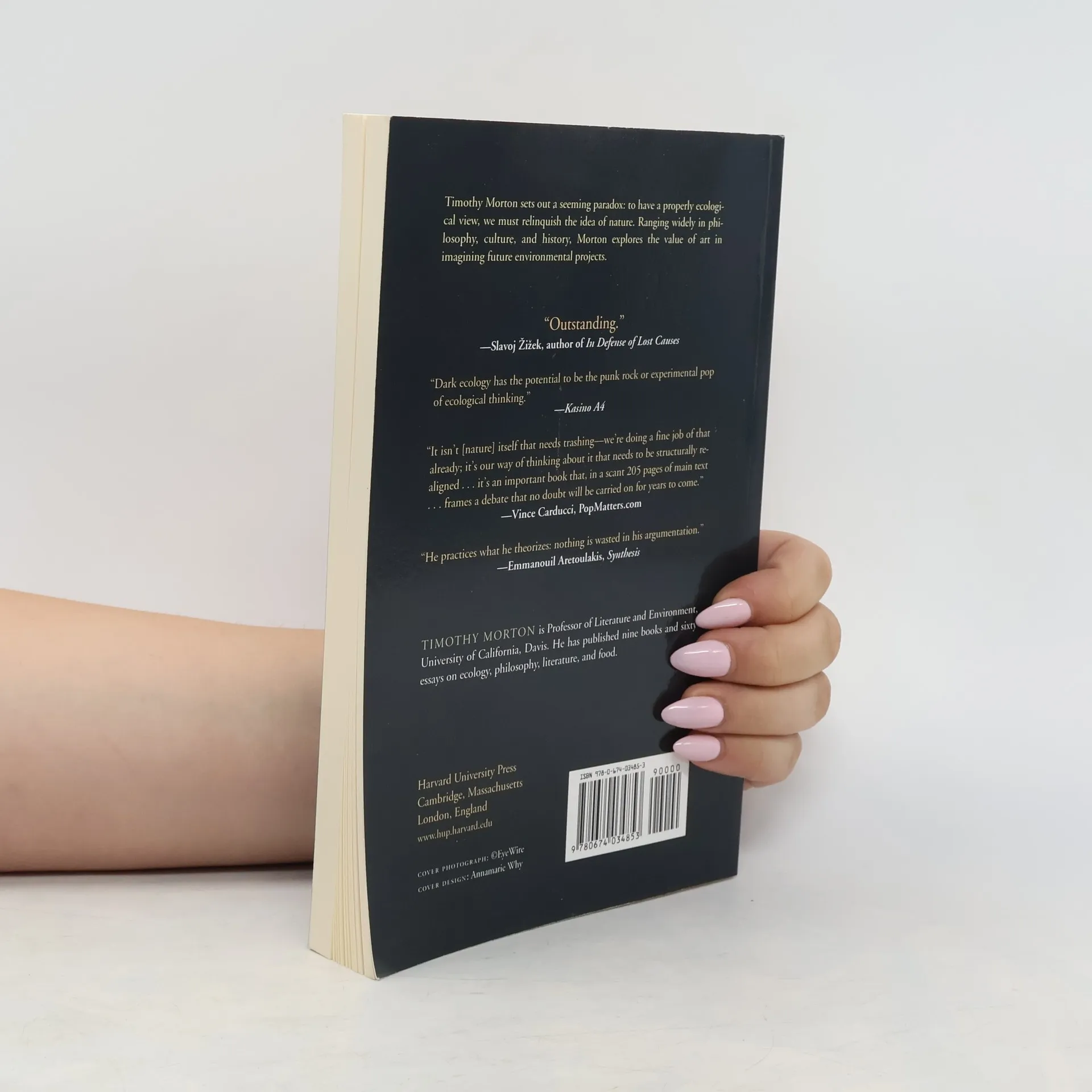
In Ecology without Nature, Timothy Morton argues that the chief stumbling block to environmental thinking is the image of nature itself. Ecological writers propose a new worldview, but their very zeal to preserve the natural world leads them away from the "nature" they revere. The problem is a symptom of the ecological catastrophe in which we are living. Morton sets out a seeming paradox: to have a properly ecological view, we must relinquish the idea of nature once and for all. Ecology without Nature investigates our ecological assumptions in a way that is provocative and deeply engaging. Ranging widely in eighteenth-century through contemporary philosophy, culture, and history, he explores the value of art in imagining environmental projects for the future. Morton develops a fresh vocabulary for reading "environmentality" in artistic form as well as content, and traces the contexts of ecological constructs through the history of capitalism. From John Clare to John Cage, from Kierkegaard to Kristeva, from The Lord of the Rings to electronic life forms, Ecology without Nature widens our view of ecological criticism, and deepens our understanding of ecology itself. Instead of trying to use an idea of nature to heal what society has damaged, Morton sets out a radical new form of ecological criticism: "dark ecology."

Zakup książki
Ecology Without Nature, Timothy Morton
- Język

- Rok wydania
- 2009
- Oprawa
- (miękka)
Metody płatności
Brakuje nam tutaj Twojej recenzji.
- Tytuł
- Ecology Without Nature
- Podtytuł
- Rethinking Environmental Aesthetics
- Język
- angielski
- Autorzy
- Timothy Morton
- Wydawca
- Harvard University Press
- Rok wydania
- 2009
- Oprawa
- miękka
- Liczba stron
- 262
- ISBN10
- 0674034856
- ISBN13
- 9780674034853
- Seria
- Ocena
- 3,85 z 5
- Opis
- In Ecology without Nature, Timothy Morton argues that the chief stumbling block to environmental thinking is the image of nature itself. Ecological writers propose a new worldview, but their very zeal to preserve the natural world leads them away from the "nature" they revere. The problem is a symptom of the ecological catastrophe in which we are living. Morton sets out a seeming paradox: to have a properly ecological view, we must relinquish the idea of nature once and for all. Ecology without Nature investigates our ecological assumptions in a way that is provocative and deeply engaging. Ranging widely in eighteenth-century through contemporary philosophy, culture, and history, he explores the value of art in imagining environmental projects for the future. Morton develops a fresh vocabulary for reading "environmentality" in artistic form as well as content, and traces the contexts of ecological constructs through the history of capitalism. From John Clare to John Cage, from Kierkegaard to Kristeva, from The Lord of the Rings to electronic life forms, Ecology without Nature widens our view of ecological criticism, and deepens our understanding of ecology itself. Instead of trying to use an idea of nature to heal what society has damaged, Morton sets out a radical new form of ecological criticism: "dark ecology."