

Więcej o książce
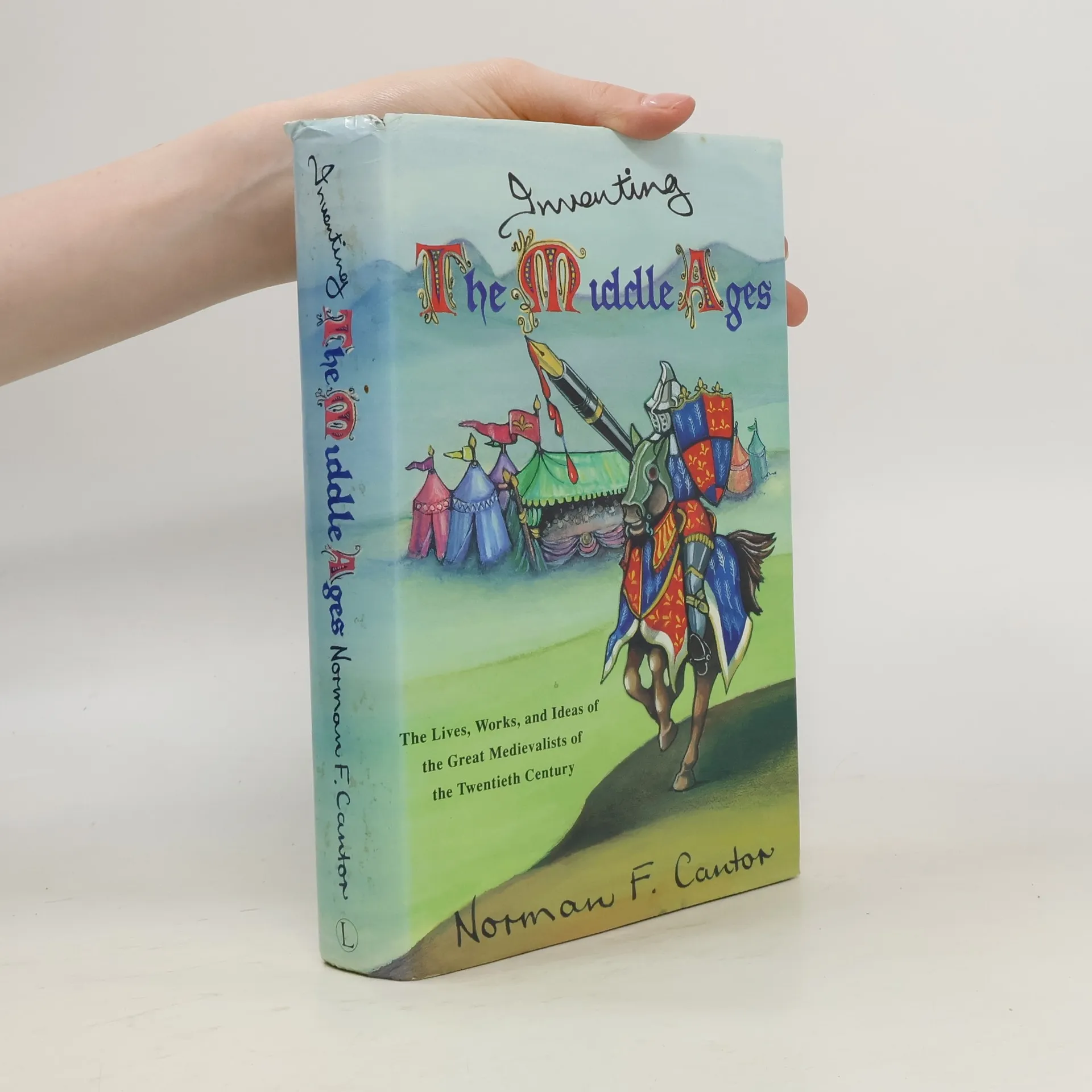
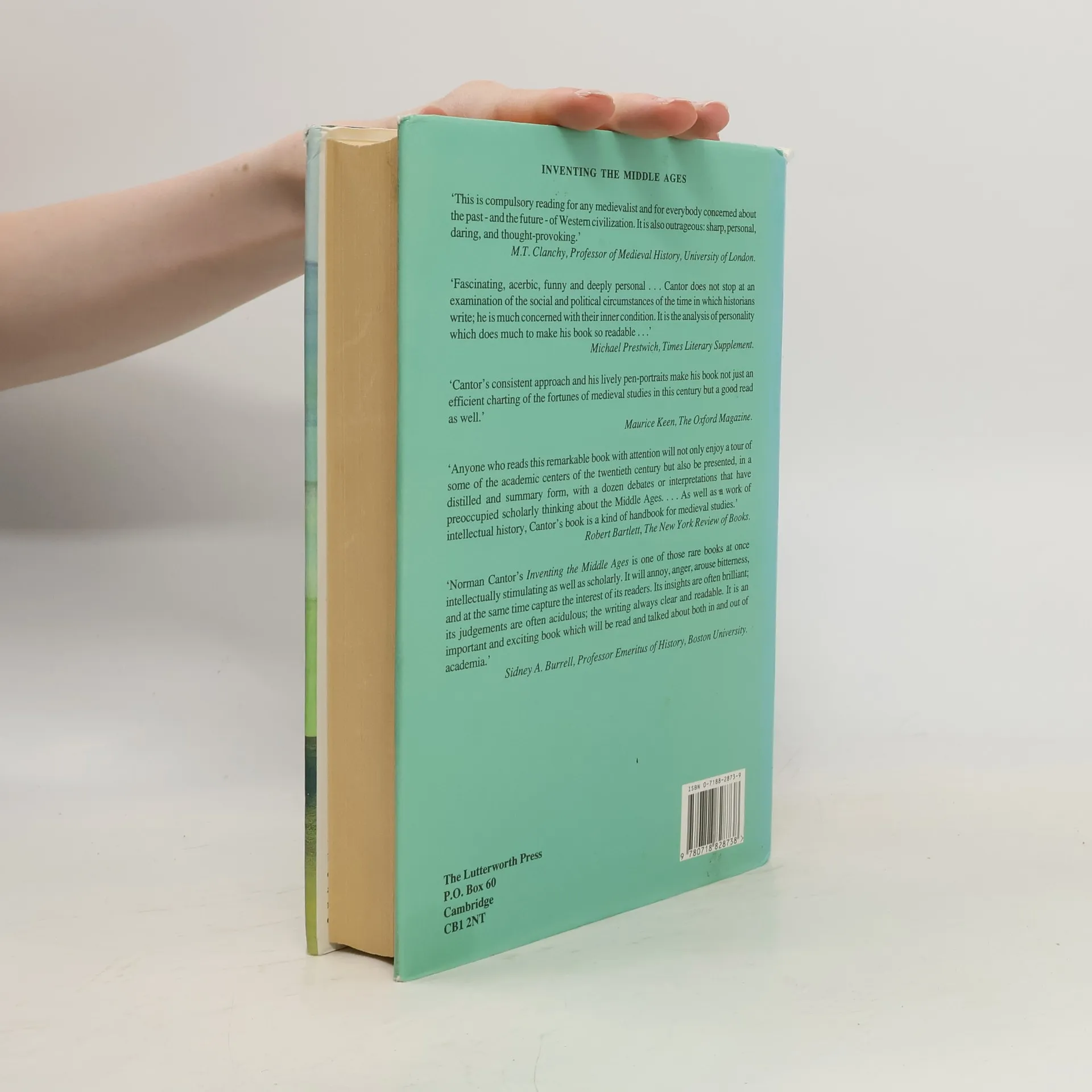
In this groundbreaking work, Norman Cantor reveals how our contemporary understanding of the Middle Ages—with its vivid imagery of wars, tournaments, plagues, saints, and knights—was shaped in the twentieth century. The medieval world was not merely uncovered through research; it had to be conceptually created. Cantor explores the lives and works of twenty prominent medievalists, illustrating how their personal experiences and emotional perspectives influenced their interpretations of the era. This scholarship is presented as a passionate and colorful endeavor, showcasing the dynamic personalities and creative intellects that offered fresh insights into the past. The book represents a revolution in academic methodology, paving the way for new approaches to teaching the humanities and historiography, appealing to both students and the general public. It distills an immense body of knowledge, allowing readers to grasp the essential connections between medieval civilization and twentieth-century culture while enjoying the process. This engaging, humorous, and informative read is essential for anyone interested in the past and future of Western civilization.


Zakup książki
Inventing the Middle Ages, Norman F. Cantor
- Język

- Rok wydania
- 1992
- Oprawa
- (twarda)
Metody płatności
Brakuje nam tutaj Twojej recenzji.
- Tytuł
- Inventing the Middle Ages
- Język
- angielski
- Autorzy
- Norman F. Cantor
- Wydawca
- Lutterworth Press
- Rok wydania
- 1992
- Oprawa
- twarda
- Liczba stron
- 480
- ISBN10
- 0718828739
- ISBN13
- 9780718828738
- Seria
- Ocena
- 3,75 z 5
- Opis
- In this groundbreaking work, Norman Cantor reveals how our contemporary understanding of the Middle Ages—with its vivid imagery of wars, tournaments, plagues, saints, and knights—was shaped in the twentieth century. The medieval world was not merely uncovered through research; it had to be conceptually created. Cantor explores the lives and works of twenty prominent medievalists, illustrating how their personal experiences and emotional perspectives influenced their interpretations of the era. This scholarship is presented as a passionate and colorful endeavor, showcasing the dynamic personalities and creative intellects that offered fresh insights into the past. The book represents a revolution in academic methodology, paving the way for new approaches to teaching the humanities and historiography, appealing to both students and the general public. It distills an immense body of knowledge, allowing readers to grasp the essential connections between medieval civilization and twentieth-century culture while enjoying the process. This engaging, humorous, and informative read is essential for anyone interested in the past and future of Western civilization.