

Parametry
- 352 strony
- 13 godzin czytania
Więcej o książce
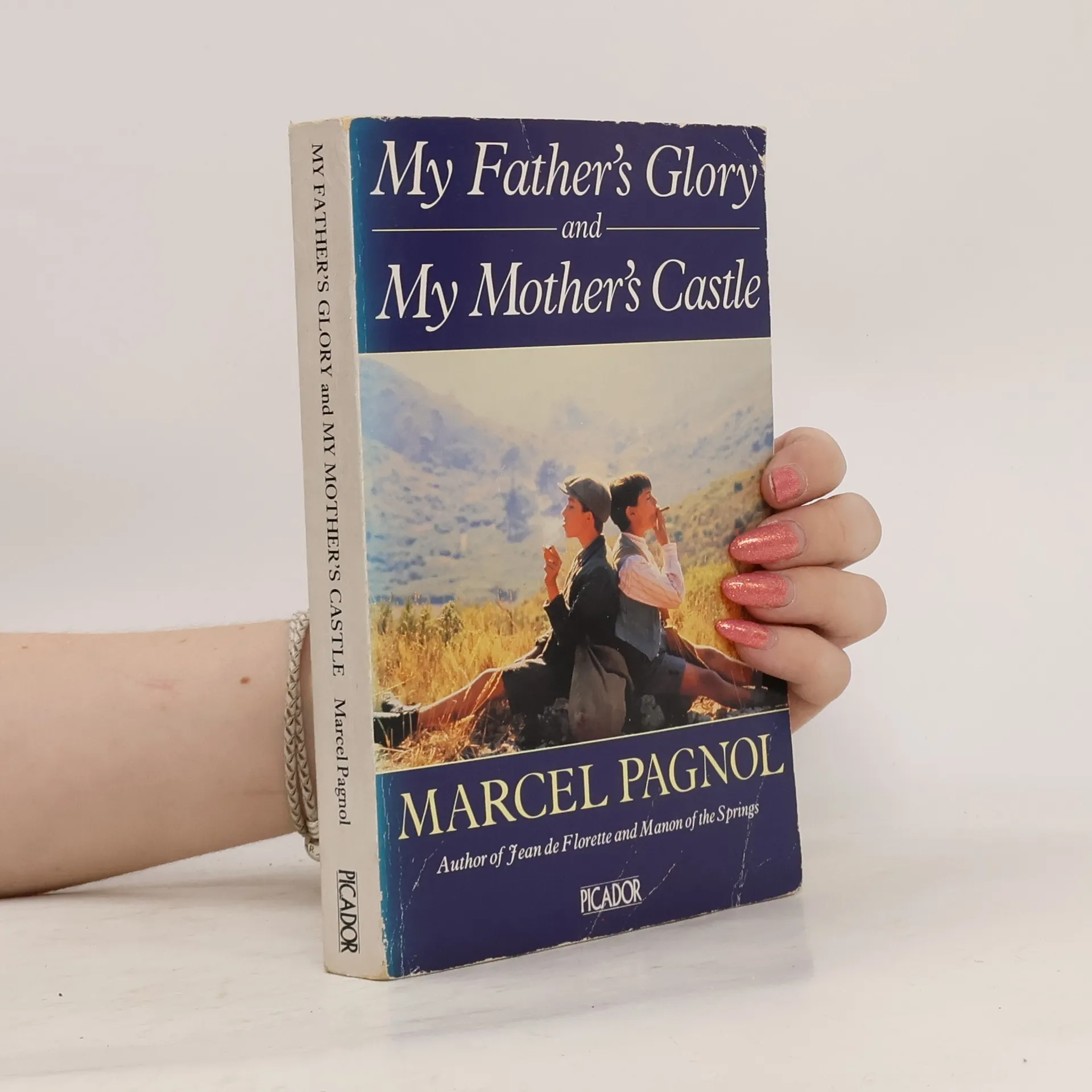
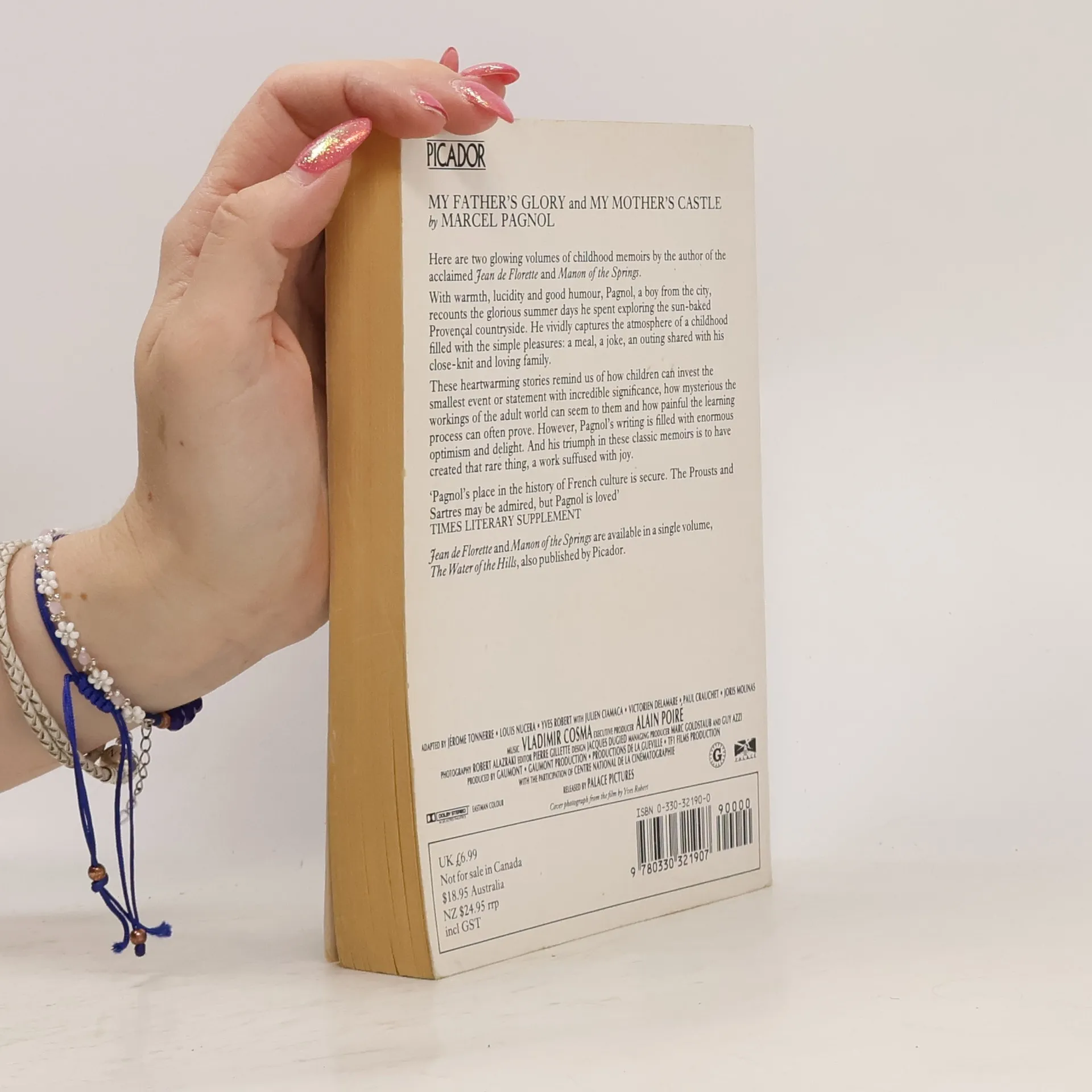
With warmth, lucidity and good humour, Pagnol, a boy from the city, recounts the glorious summer days he spent exploring the sun-baked Provençal countryside. He vividly captures the atmosphere of a childhood filled with the simple pleasures: a meal, a joke, an outing shared with his close-knit and loving family. These heart-warming stories remind us of how children can invest the smallest event or statement with incredible significance, how mysterious the workings of the adult world can seem to them and how painful the learning process can often prove. However, Pagnol’s writing is filled with enormous optimism and delight. And his triumph in these classic memoirs is to have created that rare thing, a work suffused with joy. ‘Pagnol’s place in the history of French culture is secure. The Prousts and Sartres may be admired, but Pagnol is loved’ Times Literary Supplement



Zakup książki
My Father's Glory and My Mother's Castle, Marcel Pagnol
- Język

- Rok wydania
- 1998
- Oprawa
- (miękka)
Metody płatności
Brakuje nam tutaj Twojej recenzji.
- Tytuł
- My Father's Glory and My Mother's Castle
- Język
- angielski
- Autorzy
- Marcel Pagnol
- Wydawca
- Pan Books Ltd
- Rok wydania
- 1998
- Oprawa
- miękka
- Liczba stron
- 352
- ISBN10
- 0330321900
- ISBN13
- 9780330321907
- Ocena
- 4,3 z 5
- Opis
- With warmth, lucidity and good humour, Pagnol, a boy from the city, recounts the glorious summer days he spent exploring the sun-baked Provençal countryside. He vividly captures the atmosphere of a childhood filled with the simple pleasures: a meal, a joke, an outing shared with his close-knit and loving family. These heart-warming stories remind us of how children can invest the smallest event or statement with incredible significance, how mysterious the workings of the adult world can seem to them and how painful the learning process can often prove. However, Pagnol’s writing is filled with enormous optimism and delight. And his triumph in these classic memoirs is to have created that rare thing, a work suffused with joy. ‘Pagnol’s place in the history of French culture is secure. The Prousts and Sartres may be admired, but Pagnol is loved’ Times Literary Supplement