



Więcej o książce
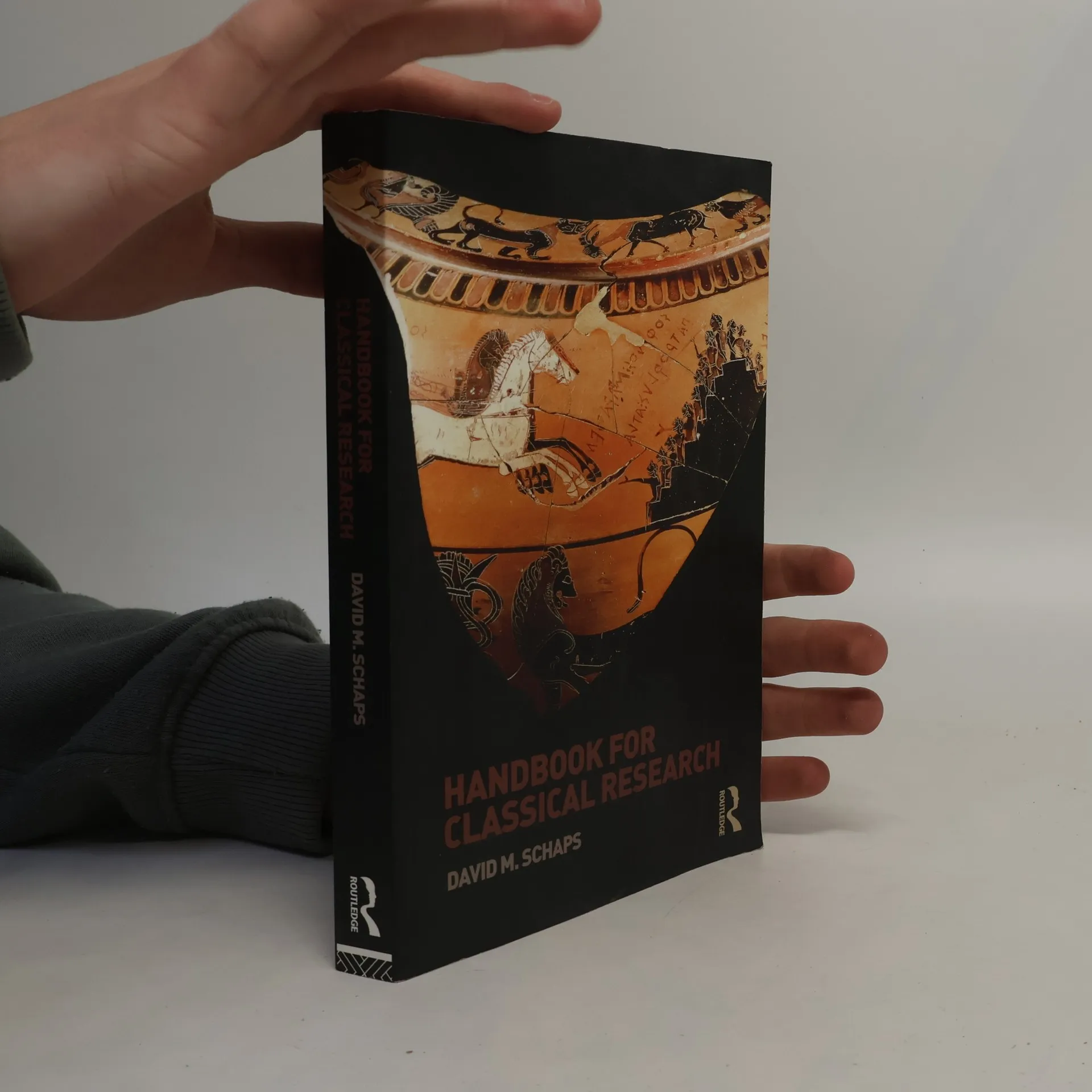
One of the glories of the Greco-Roman classics is the opportunity that they give us to consider a great culture in its entirety; but our ability to do that depends on our ability to work comfortably with very varied fields of scholarship. The Handbook for Classical Research offers guidance to students needing to learn more about the different fields and subfields of classical research, and its methods and resources. The book is divided into 7 parts: The Basics, Language, The Traditional Fields, The Physical Remains, The Written Word, The Classics and Related Disciplines, The Classics since Antiquity. Topics covered range from history and literature, lexicography and linguistics, epigraphy and palaeography, to archaeology and numismatics, and the study and reception of the classics. Guidance is given not only to read, for example, an archaeological or papyrological report, but also on how to find such sources when they are relevant to research. Concentrating on ""how-to"" topics, the Handbook for Classical Studies is a much needed resource for both teachers and students.


Zakup książki
Handbook for Classical Research, David M. Schaps
- Język

- Rok wydania
- 2010
- Oprawa
- (miękka)
Metody płatności
Brakuje nam tutaj Twojej recenzji.
- Tytuł
- Handbook for Classical Research
- Język
- angielski
- Autorzy
- David M. Schaps
- Wydawca
- Routledge
- Rok wydania
- 2010
- Oprawa
- miękka
- Liczba stron
- 488
- ISBN10
- 0415425239
- ISBN13
- 9780415425230
- Seria
- Ocena
- 4,2 z 5
- Opis
- One of the glories of the Greco-Roman classics is the opportunity that they give us to consider a great culture in its entirety; but our ability to do that depends on our ability to work comfortably with very varied fields of scholarship. The Handbook for Classical Research offers guidance to students needing to learn more about the different fields and subfields of classical research, and its methods and resources. The book is divided into 7 parts: The Basics, Language, The Traditional Fields, The Physical Remains, The Written Word, The Classics and Related Disciplines, The Classics since Antiquity. Topics covered range from history and literature, lexicography and linguistics, epigraphy and palaeography, to archaeology and numismatics, and the study and reception of the classics. Guidance is given not only to read, for example, an archaeological or papyrological report, but also on how to find such sources when they are relevant to research. Concentrating on ""how-to"" topics, the Handbook for Classical Studies is a much needed resource for both teachers and students.