


Więcej o książce
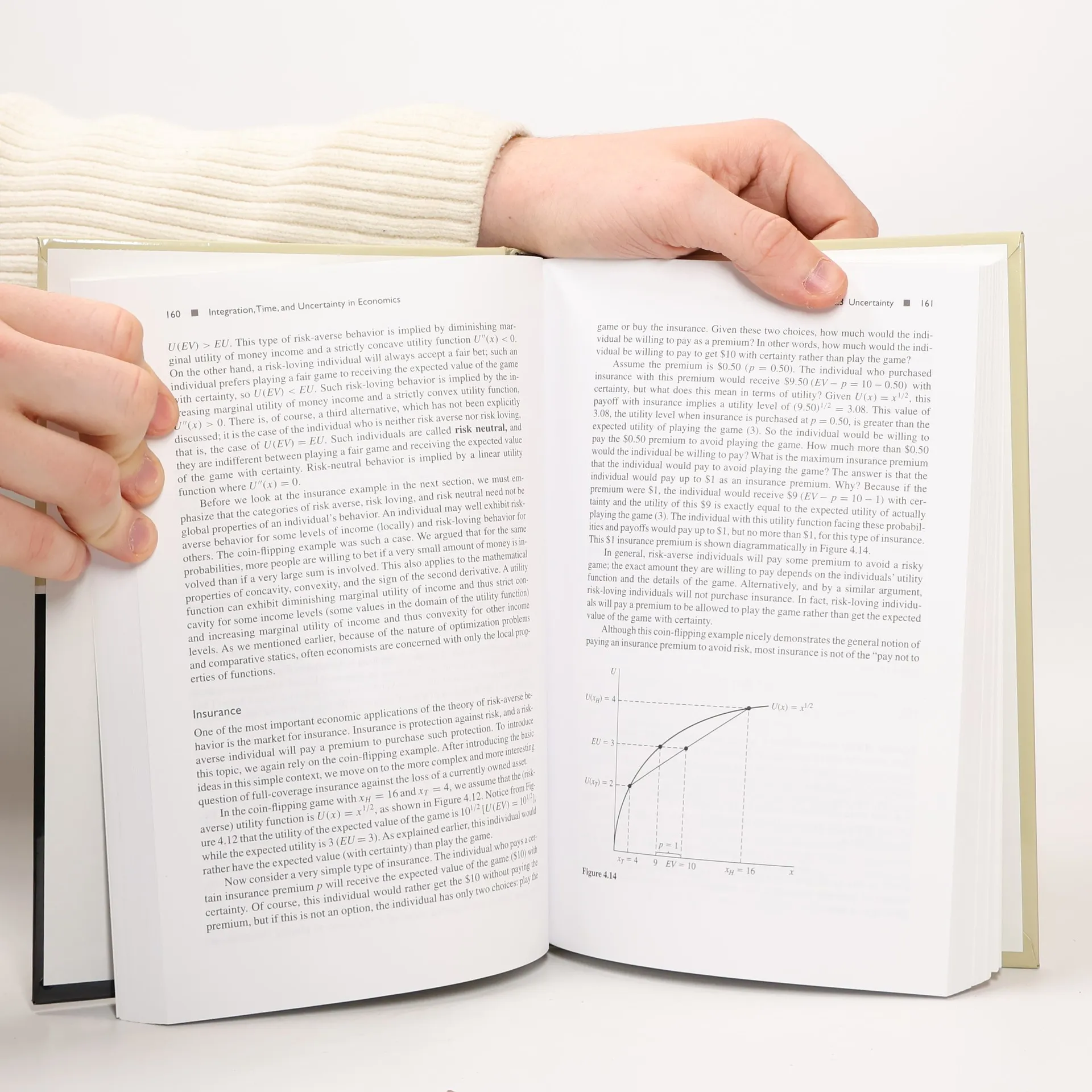
A strong relationship exists between mathematics and modern economics, where mathematics extends and formalizes economic theory, and quantitative data refines mathematical models. In this second edition, the author introduces students to various mathematical tools and their applications to economic problems. The book begins with an overview of essential mathematical concepts, followed by advanced tools that enhance economic understanding. It covers classical and contemporary economic theories, including standard techniques like optimization and comparative statics, as well as specialized topics such as uncertainty, dynamics, nonlinear programming, and matrix theory. Thoroughly revised, this edition offers a comprehensive range of mathematical techniques alongside their economic theories. A new Chapter 0 serves as a mathematical review, acting as both a refresher and reference. End-of-chapter problems focus on economics, requiring substantial interpretation beyond technical analysis, and have been expanded in this edition. Each chapter includes boxes that illustrate economic examples of mathematical concepts, discussing recent developments in economic theory and their impact on modern economics. With a clear presentation of mathematical and economic concepts, this text is ideal for undergraduate courses in mathematical economics.


Zakup książki
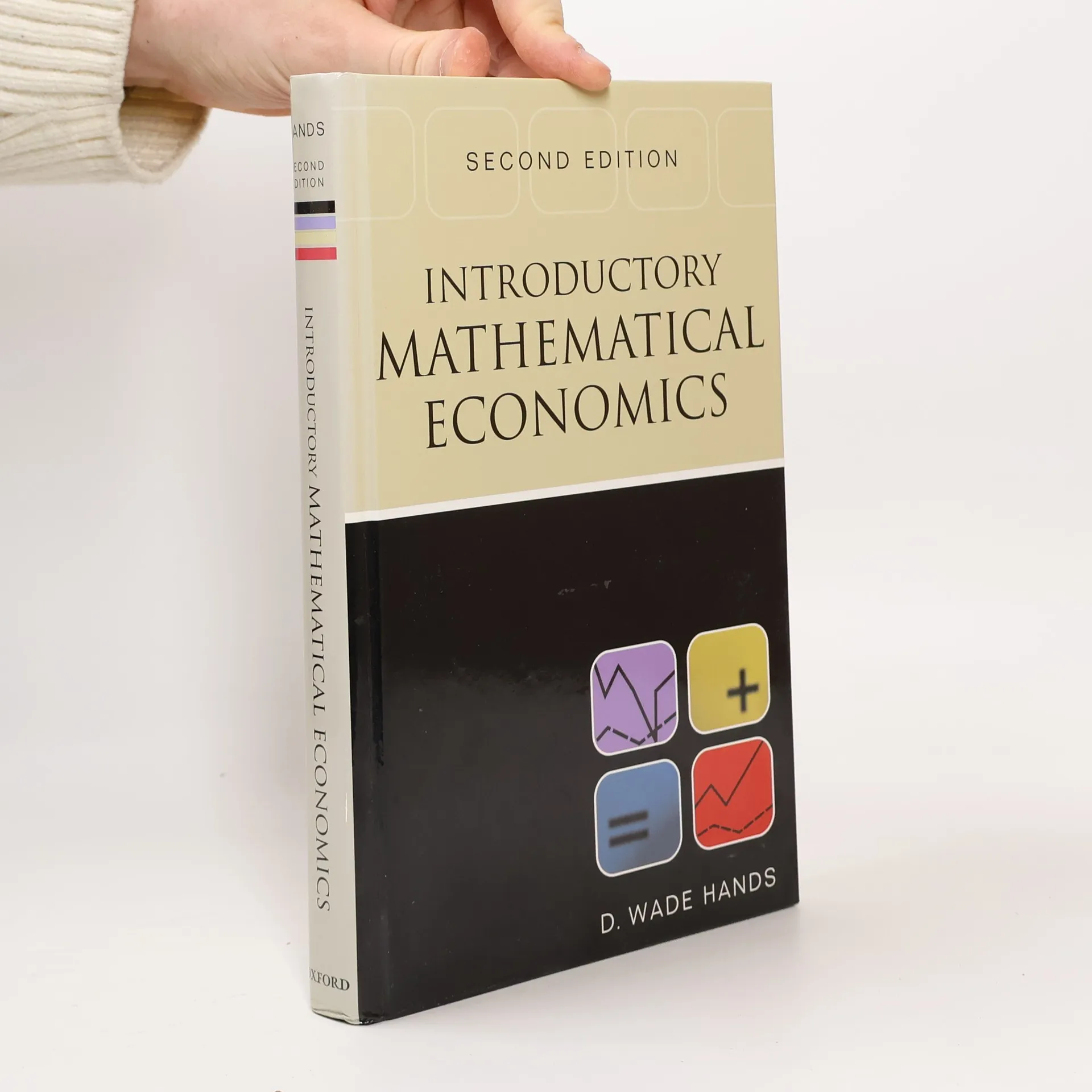
Introductory Mathematical Economics, D. Wade Hands
- Język

- Rok wydania
- 2003
- Oprawa
- (twarda)
Metody płatności
Brakuje nam tutaj Twojej recenzji.
- Tytuł
- Introductory Mathematical Economics
- Podtytuł
- Second Edition
- Język
- angielski
- Autorzy
- D. Wade Hands
- Wydawca
- Oxford University Press
- Rok wydania
- 2003
- Oprawa
- twarda
- Liczba stron
- 400
- ISBN10
- 0195133781
- ISBN13
- 9780195133783
- Seria
- Kategorie
- Tagi
- Biznes
- Ocena
- 5 z 5
- Opis
- A strong relationship exists between mathematics and modern economics, where mathematics extends and formalizes economic theory, and quantitative data refines mathematical models. In this second edition, the author introduces students to various mathematical tools and their applications to economic problems. The book begins with an overview of essential mathematical concepts, followed by advanced tools that enhance economic understanding. It covers classical and contemporary economic theories, including standard techniques like optimization and comparative statics, as well as specialized topics such as uncertainty, dynamics, nonlinear programming, and matrix theory. Thoroughly revised, this edition offers a comprehensive range of mathematical techniques alongside their economic theories. A new Chapter 0 serves as a mathematical review, acting as both a refresher and reference. End-of-chapter problems focus on economics, requiring substantial interpretation beyond technical analysis, and have been expanded in this edition. Each chapter includes boxes that illustrate economic examples of mathematical concepts, discussing recent developments in economic theory and their impact on modern economics. With a clear presentation of mathematical and economic concepts, this text is ideal for undergraduate courses in mathematical economics.