

Więcej o książce
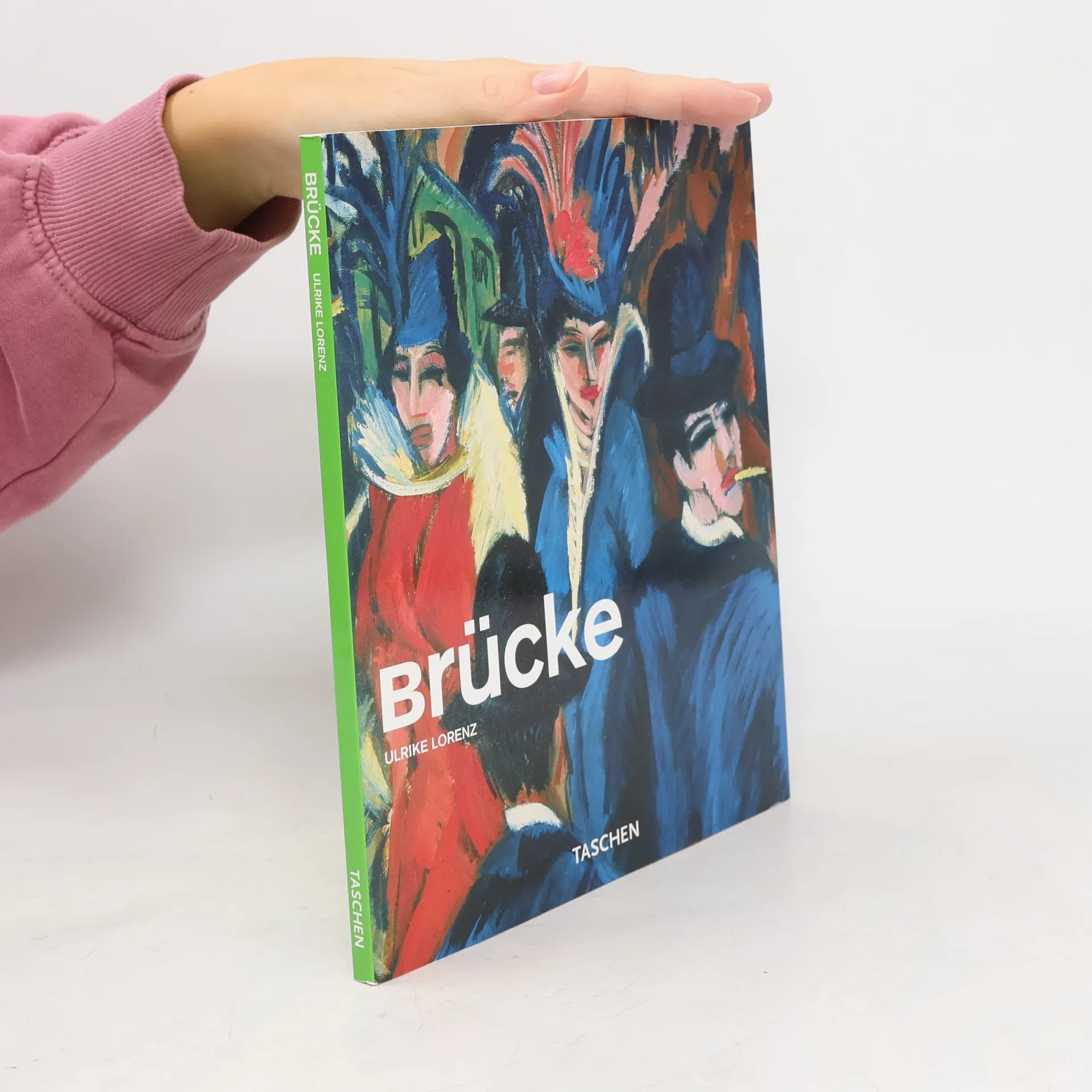
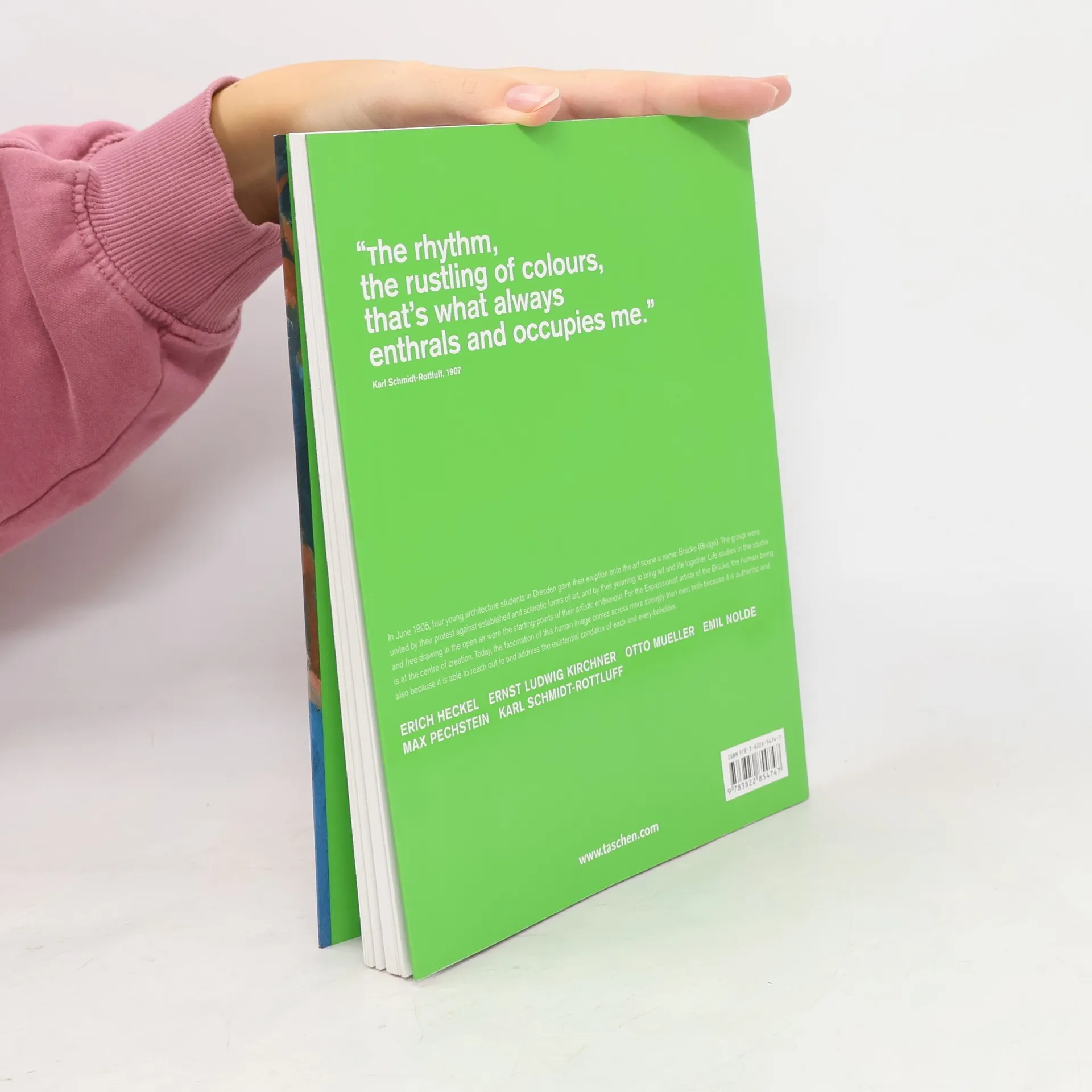
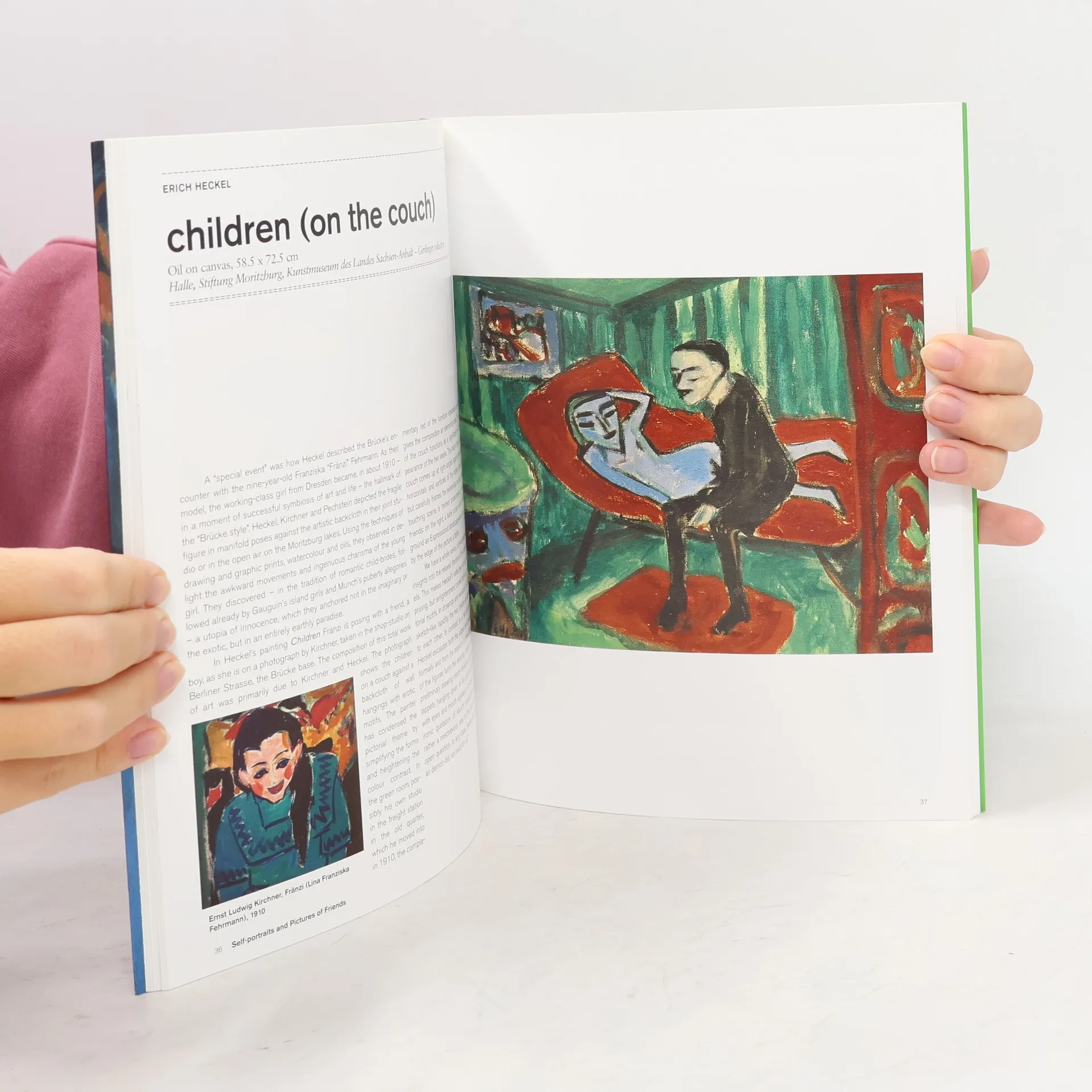
The "Brucke" (established in Dresden in 1905) is, together with the Blauer Reiter in Munich, the most important movement in German expressionism. Meaning "the bridge" in German, "Die Brucke" refers to Nietzsche's belief that humanity has the potential to make a bridge to a perfect future; more concretely, the movement formed a bridge between neo-romantic and expressionist painting. This book covers the work of founding members Ernst Ludwig Kirchner, Erich Heckel, Karl Schmidt-Rottluff, and Fritz Bleyl, as well as works by their friends, such as Emil Nolde and Otto Mueller. Divided into four main categories (self-portraits and portraits of friends, nudes in the studio and in nature, men in the cities, and war and apocalyptic themes) this volume provides a stimulating overview of the movement.Each book in "Taschen's Basic Genre Series" features: a detailed introduction with approximately 35 photographs, plus a timeline of the most important events (political, cultural, scientific, etc.) that took place during the time period; and, a selection of the most important works of the epoch; each is presented on a 2-page spread with a full-page image and, on the facing page, a description/interpretation of the work and brief biography of the artist as well as additional information such as a reference work, portrait of the artist, and/or citations.



Zakup książki
Brücke, Ulrike Lorenz, Norbert Wolf
- Język

- Rok wydania
- 2008
- Oprawa
- (miękka)
Metody płatności
Brakuje nam tutaj Twojej recenzji.
- Tytuł
- Brücke
- Język
- angielski
- Autorzy
- Ulrike Lorenz, Norbert Wolf
- Wydawca
- Taschen
- Rok wydania
- 2008
- Oprawa
- miękka
- Liczba stron
- 96
- ISBN10
- 3822854743
- ISBN13
- 9783822854747
- Seria
- Kategorie
- Tagi
- Ocena
- 3,75 z 5
- Opis
- The "Brucke" (established in Dresden in 1905) is, together with the Blauer Reiter in Munich, the most important movement in German expressionism. Meaning "the bridge" in German, "Die Brucke" refers to Nietzsche's belief that humanity has the potential to make a bridge to a perfect future; more concretely, the movement formed a bridge between neo-romantic and expressionist painting. This book covers the work of founding members Ernst Ludwig Kirchner, Erich Heckel, Karl Schmidt-Rottluff, and Fritz Bleyl, as well as works by their friends, such as Emil Nolde and Otto Mueller. Divided into four main categories (self-portraits and portraits of friends, nudes in the studio and in nature, men in the cities, and war and apocalyptic themes) this volume provides a stimulating overview of the movement.Each book in "Taschen's Basic Genre Series" features: a detailed introduction with approximately 35 photographs, plus a timeline of the most important events (political, cultural, scientific, etc.) that took place during the time period; and, a selection of the most important works of the epoch; each is presented on a 2-page spread with a full-page image and, on the facing page, a description/interpretation of the work and brief biography of the artist as well as additional information such as a reference work, portrait of the artist, and/or citations.