

Więcej o książce
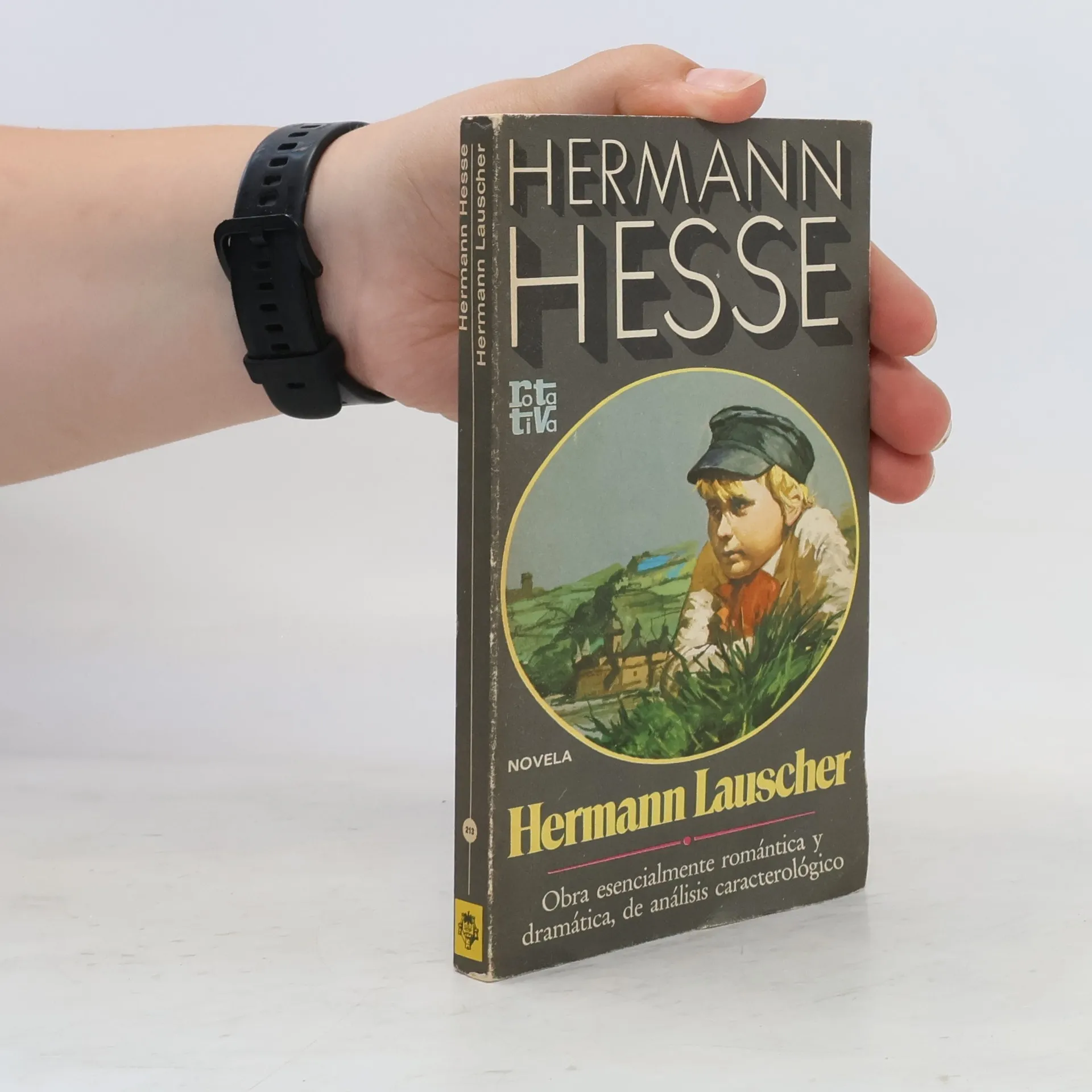
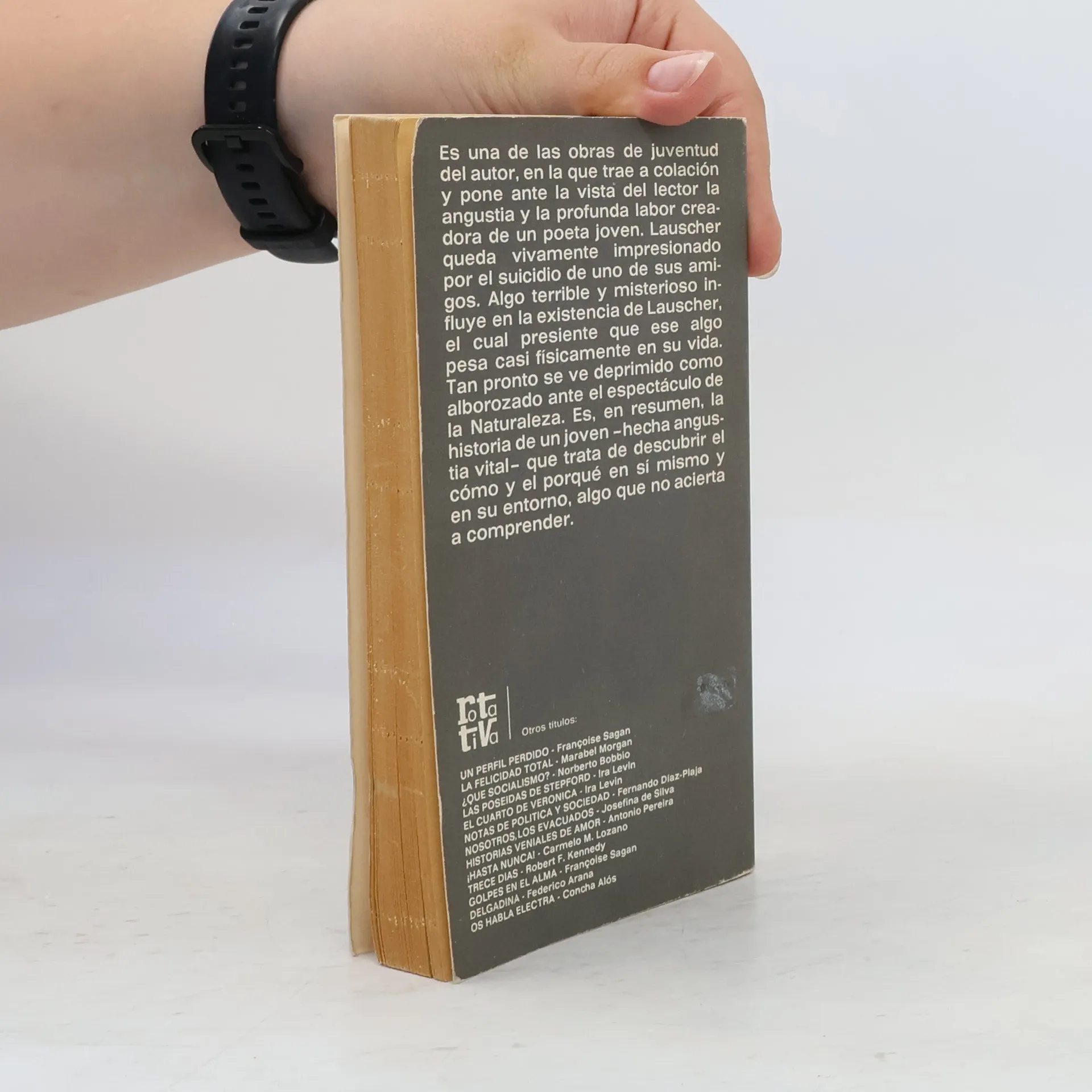
Hermann Lauscher, written by Hesse at the age of twenty, can be seen as a form of "self-discovery." In the preface to its first edition, Hesse reflects on the mystery of the texts within Hermann Lauscher, noting that the name is introduced to the public for the first time. The writings of Lauscher, published under a foreign name, are well-known to a limited audience. Hesse laments that the author, who has since passed away, has forbidden him from revealing his secrets or claiming the writings published before his death. He expresses that "bitter understanding is better than ignorance," and those who embark on the perilous path of self-observation and confession must bear the consequences, however unexpected or sorrowful. Over the years, whenever Hesse revisits Lauscher, he encounters passages he wishes to discard or alter, such as youthful, arrogant, foolish remarks about Tolstoy at the beginning of the diary. Yet, he feels he has no right to distort his youthful portrait.


Zakup książki
Hermann Lauscher, Hermann Hesse
- Język

- Rok wydania
- 1981
- Oprawa
- (miękka)
Metody płatności
Brakuje nam tutaj Twojej recenzji.
- Tytuł
- Hermann Lauscher
- Język
- angielski
- Autorzy
- Hermann Hesse
- Wydawca
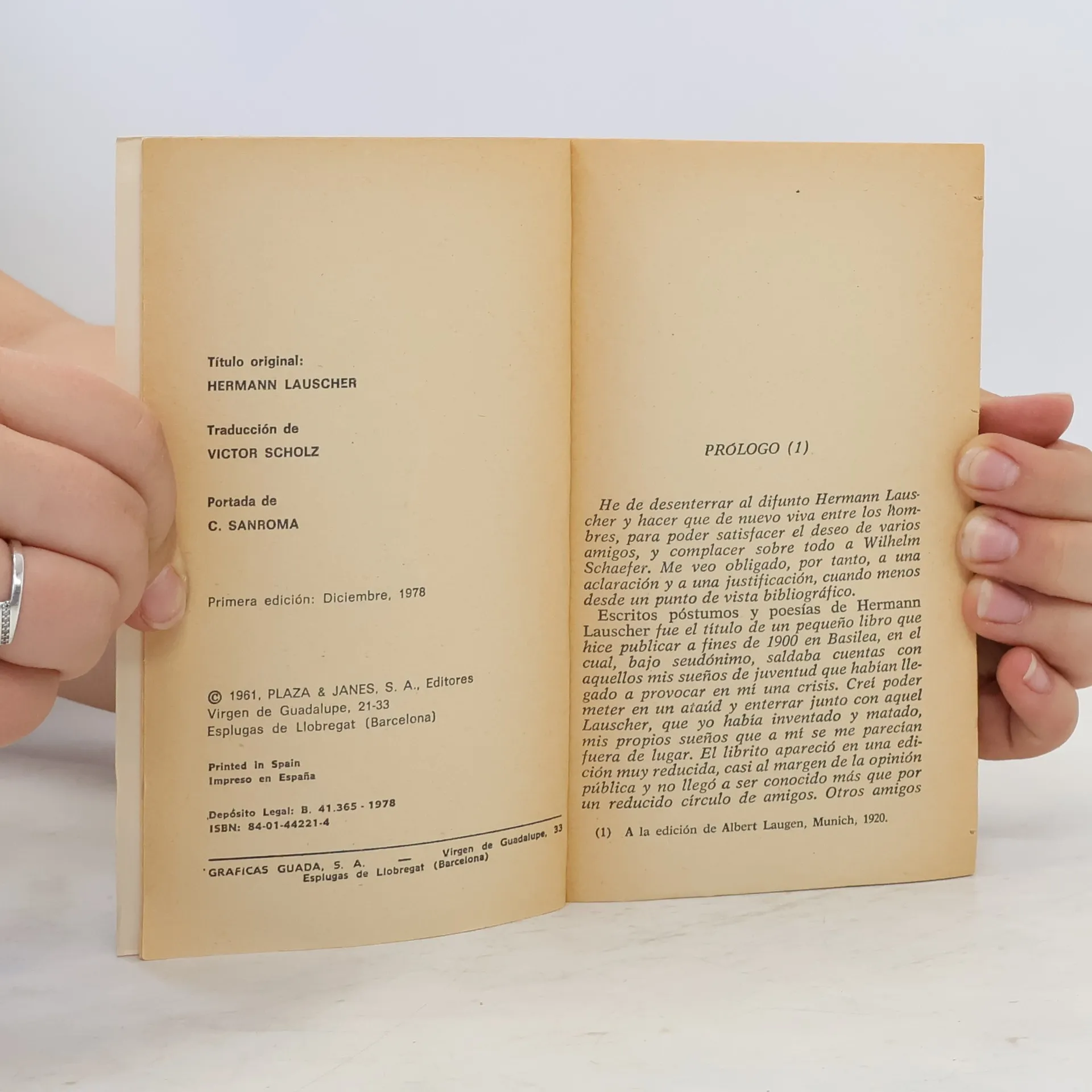
- Plaza & Janés
- Rok wydania
- 1981
- Oprawa
- miękka
- Liczba stron
- 155
- ISBN10
- 8401442214
- ISBN13
- 9788401442216
- Seria
- Ocena
- 3,25 z 5
- Opis
- Hermann Lauscher, written by Hesse at the age of twenty, can be seen as a form of "self-discovery." In the preface to its first edition, Hesse reflects on the mystery of the texts within Hermann Lauscher, noting that the name is introduced to the public for the first time. The writings of Lauscher, published under a foreign name, are well-known to a limited audience. Hesse laments that the author, who has since passed away, has forbidden him from revealing his secrets or claiming the writings published before his death. He expresses that "bitter understanding is better than ignorance," and those who embark on the perilous path of self-observation and confession must bear the consequences, however unexpected or sorrowful. Over the years, whenever Hesse revisits Lauscher, he encounters passages he wishes to discard or alter, such as youthful, arrogant, foolish remarks about Tolstoy at the beginning of the diary. Yet, he feels he has no right to distort his youthful portrait.