


Więcej o książce
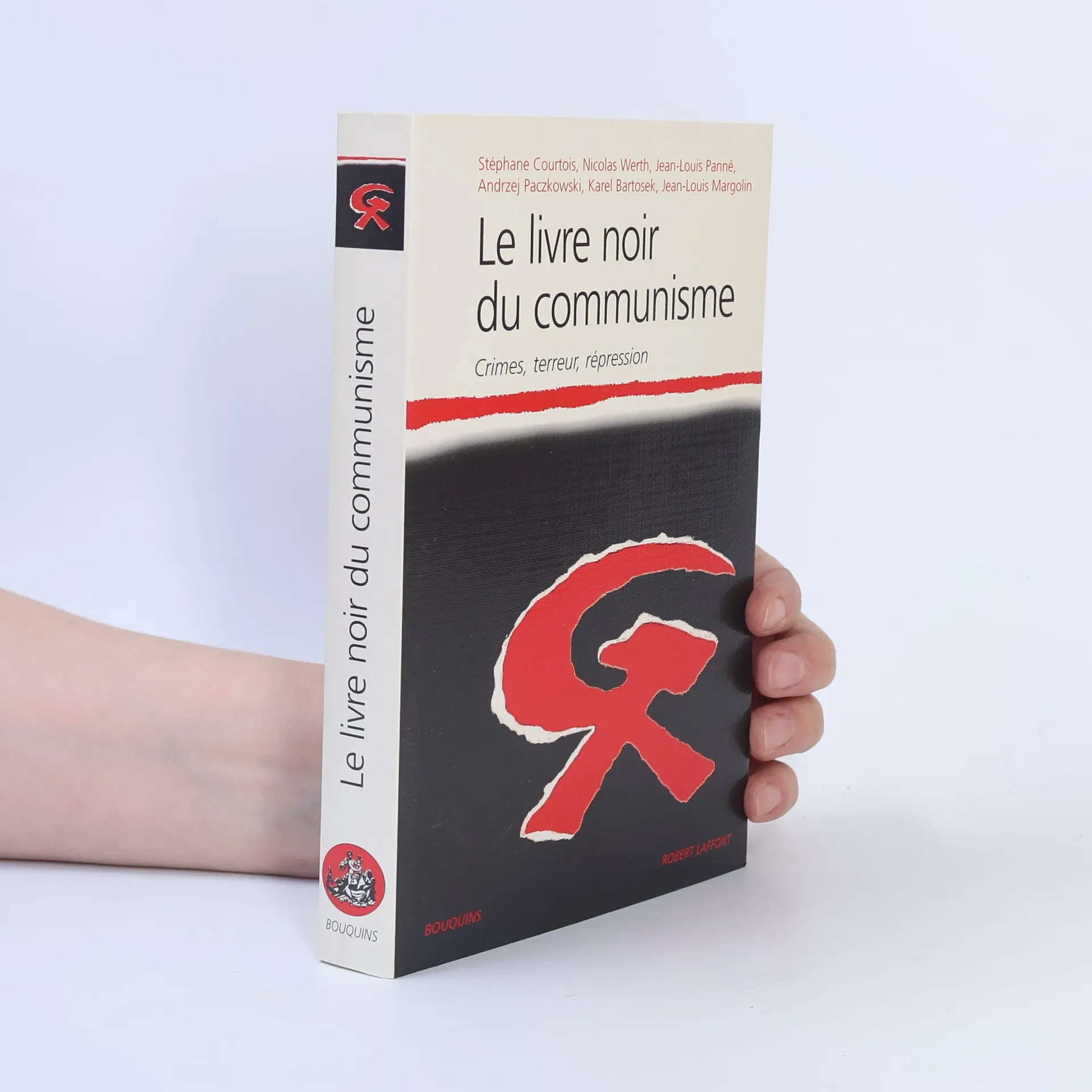
When first published in France in 1997, this work ignited a significant controversy that persists today. Even some contributors hesitated at chief editor Stéphane Courtois's assertion that Communism, in all its forms, was morally equivalent to Nazism; he argued that both totalitarian regimes excelled at killing rather than governing. Courtois and his fellow historians illustrate that Communism was responsible for mass deaths: 25 million in Russia during the Bolshevik and Stalinist periods, possibly 65 million in China under Mao Zedong, 2 million in Cambodia, and millions more across Africa, Eastern Europe, and Latin America—an astonishing toll. This propensity for violence, Courtois argues, is not coincidental but a fundamental aspect of a philosophy aimed at erasing class distinctions by eliminating the classes themselves. The authors meticulously document Communism's atrocities, providing figures that will likely spark debate among scholars and ideologues alike. Courtois also posits that those who view Lenin, Trotsky, and Ho Chi Minh favorably are unwittingly endorsing a brutal ideology. This thought-provoking work of history and social criticism deserves a wide readership and discussion.





Zakup książki
Le livre noir du communisme, Karel Bartošek, Andrzej Paczkowski, Stéphane Courtois, Nicolas Werth, Jean-Louis Margolin, Jean-Louis Panné
- Język

- Rok wydania
- 1998
- Oprawa
- (miękka)
Metody płatności
Brakuje nam tutaj Twojej recenzji.
- Tytuł
- Le livre noir du communisme
- Podtytuł
- Crimes, terreur, répression
- Język
- francuski
- Autorzy
- Karel Bartošek, Andrzej Paczkowski, Stéphane Courtois, Nicolas Werth, Jean-Louis Margolin, Jean-Louis Panné
- Wydawca
- Bouquins
- Rok wydania
- 1998
- Oprawa
- miękka
- Liczba stron
- 923
- ISBN10
- 2221088611
- ISBN13
- 9782221088616
- Ocena
- 3,5 z 5
- Opis
- When first published in France in 1997, this work ignited a significant controversy that persists today. Even some contributors hesitated at chief editor Stéphane Courtois's assertion that Communism, in all its forms, was morally equivalent to Nazism; he argued that both totalitarian regimes excelled at killing rather than governing. Courtois and his fellow historians illustrate that Communism was responsible for mass deaths: 25 million in Russia during the Bolshevik and Stalinist periods, possibly 65 million in China under Mao Zedong, 2 million in Cambodia, and millions more across Africa, Eastern Europe, and Latin America—an astonishing toll. This propensity for violence, Courtois argues, is not coincidental but a fundamental aspect of a philosophy aimed at erasing class distinctions by eliminating the classes themselves. The authors meticulously document Communism's atrocities, providing figures that will likely spark debate among scholars and ideologues alike. Courtois also posits that those who view Lenin, Trotsky, and Ho Chi Minh favorably are unwittingly endorsing a brutal ideology. This thought-provoking work of history and social criticism deserves a wide readership and discussion.