

Ocena książki
Więcej o książce
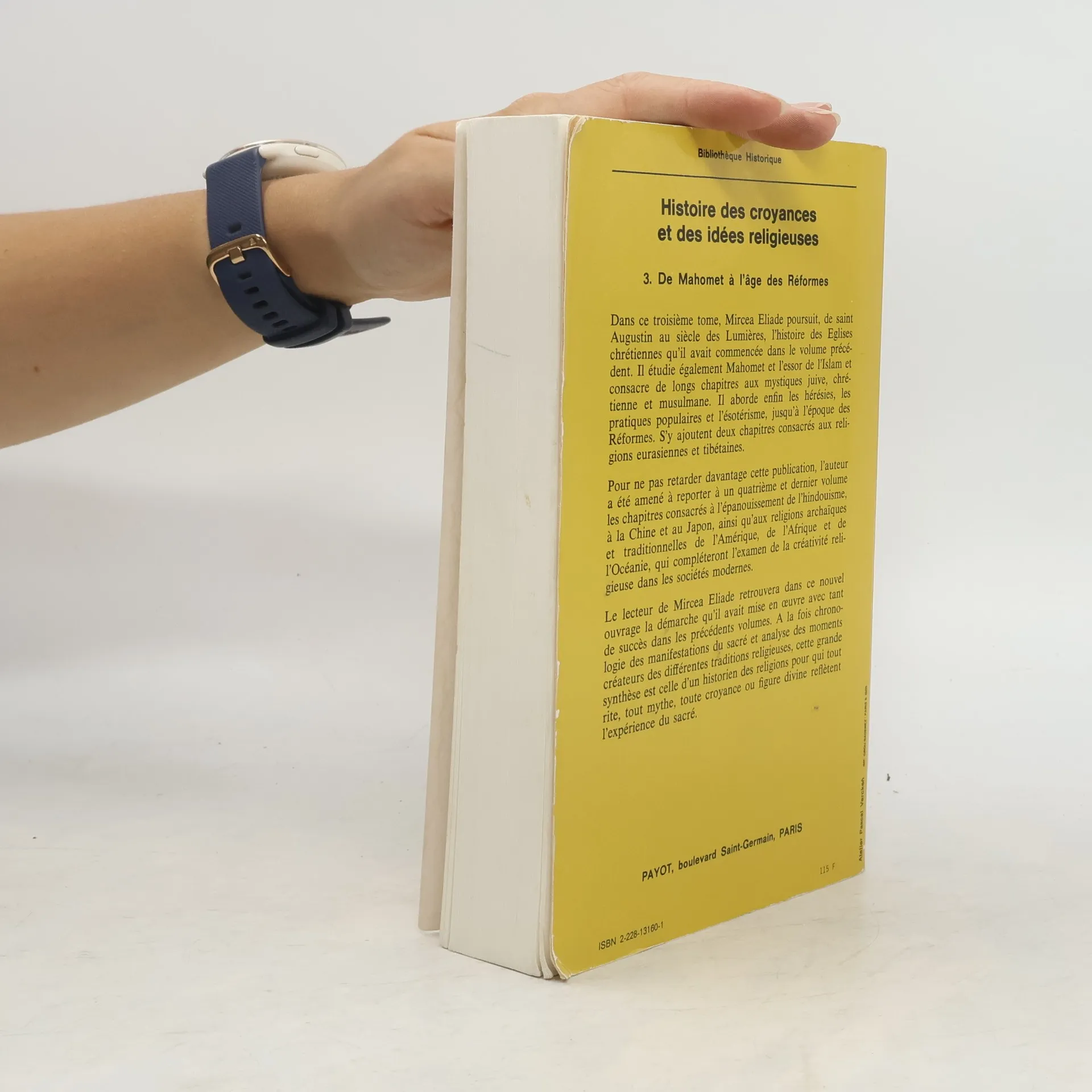
This volume completes the immensely learned three-volume A History of Religious Ideas. Eliade examines the movement of Jewish thought out of ancient Eurasia, the Christian transformation of the Mediterranean area and Europe, and the rise and diffusion of Islam from approximately the sixth through the seventeenth centuries. Eliade's vast knowledge of past and present scholarship provides a synthesis that is unparalleled. In addition to reviewing recent interpretations of the individual traditions, he explores the interactions of the three religions and shows their continuing mutual influence to be subtle but unmistakable. As in his previous work, Eliade pays particular attention to heresies, folk beliefs, and cults of secret wisdom, such as alchemy and sorcery, and continues the discussion, begun in earlier volumes, of pre-Christian shamanistic practices in northern Europe and the syncretistic tradition of Tibetan Buddhism. These subcultures, he maintains, are as important as the better-known orthodoxies to a full understanding of Judaism, Christianity, and Islam.


Zakup książki
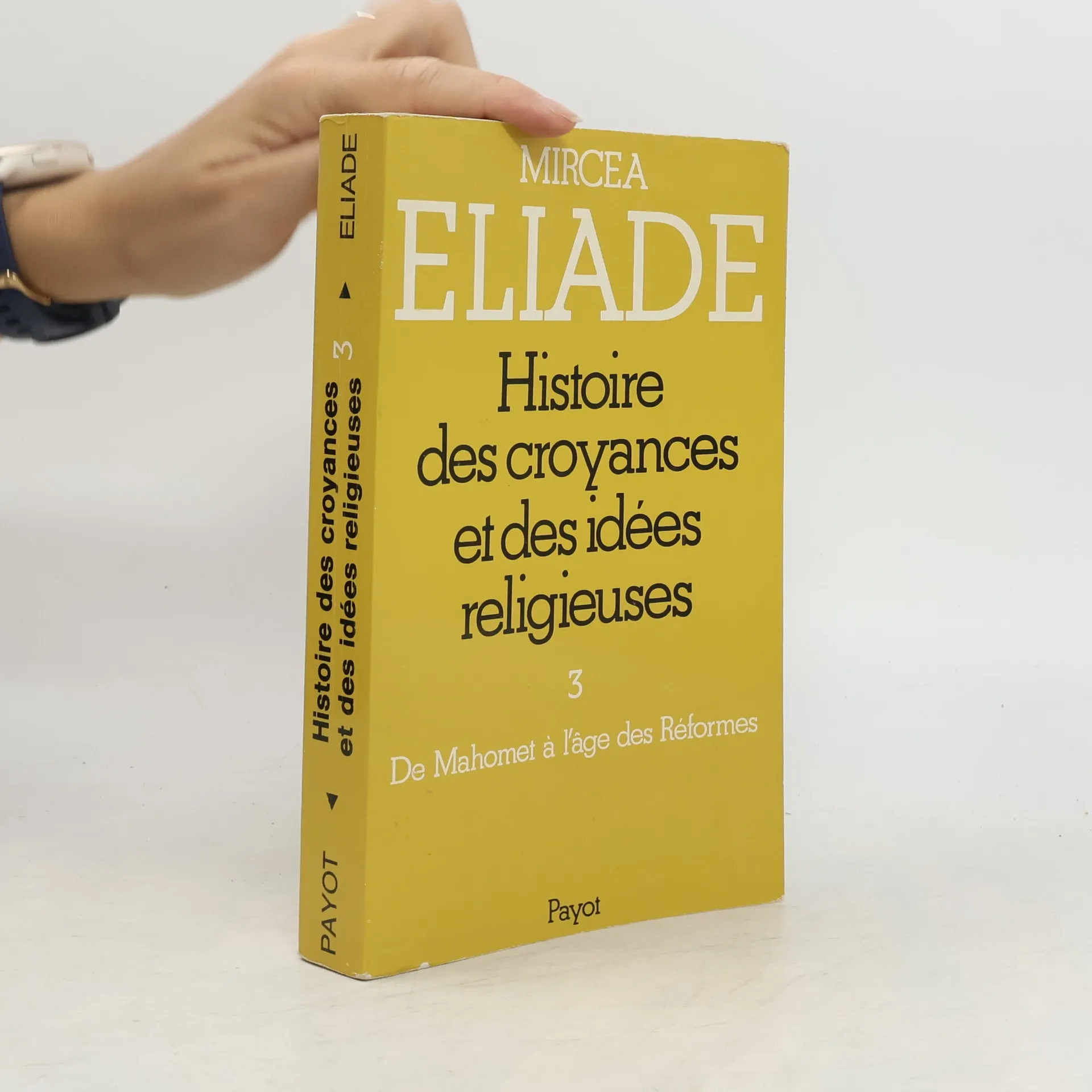
Histoire des croyances et des idées religieuses - 3: De Mahomet à l'âge des Réformes, Mircea Eliade
- Język

- Rok wydania
- 1986
- Oprawa
- (miękka)
Metody płatności
Brakuje nam tutaj Twojej recenzji.
- Tytuł
- Histoire des croyances et des idées religieuses - 3: De Mahomet à l'âge des Réformes
- Język
- francuski
- Autorzy
- Mircea Eliade
- Wydawca
- Payot
- Rok wydania
- 1986
- Oprawa
- miękka
- ISBN10
- 2228131601
- ISBN13
- 9782228131605
- Kategorie
- Tagi
- Tematy historyczne, Tematyka psychologiczna, Tematy religijne, Tematyka filozoficzna, Duchowość, Teologia
- Pierwsze wydanie
- 1983
- Oryginalna nazwa
- Histoire des croyances et des idées religieuses III : De Mahomet à l'âge des Réformes
- Ocena
- 4,65 z 5
- Opis
- This volume completes the immensely learned three-volume A History of Religious Ideas. Eliade examines the movement of Jewish thought out of ancient Eurasia, the Christian transformation of the Mediterranean area and Europe, and the rise and diffusion of Islam from approximately the sixth through the seventeenth centuries. Eliade's vast knowledge of past and present scholarship provides a synthesis that is unparalleled. In addition to reviewing recent interpretations of the individual traditions, he explores the interactions of the three religions and shows their continuing mutual influence to be subtle but unmistakable. As in his previous work, Eliade pays particular attention to heresies, folk beliefs, and cults of secret wisdom, such as alchemy and sorcery, and continues the discussion, begun in earlier volumes, of pre-Christian shamanistic practices in northern Europe and the syncretistic tradition of Tibetan Buddhism. These subcultures, he maintains, are as important as the better-known orthodoxies to a full understanding of Judaism, Christianity, and Islam.