


Więcej o książce
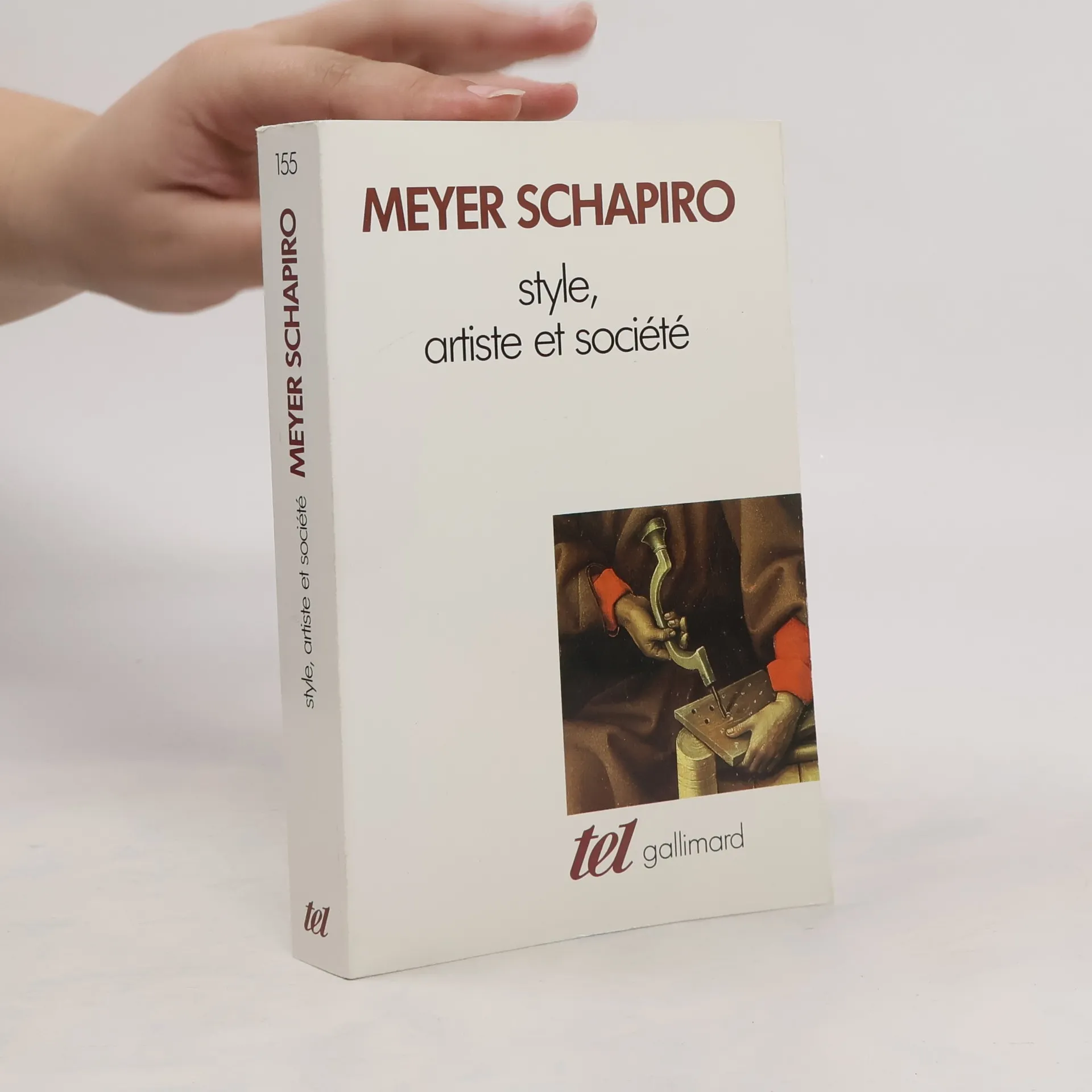
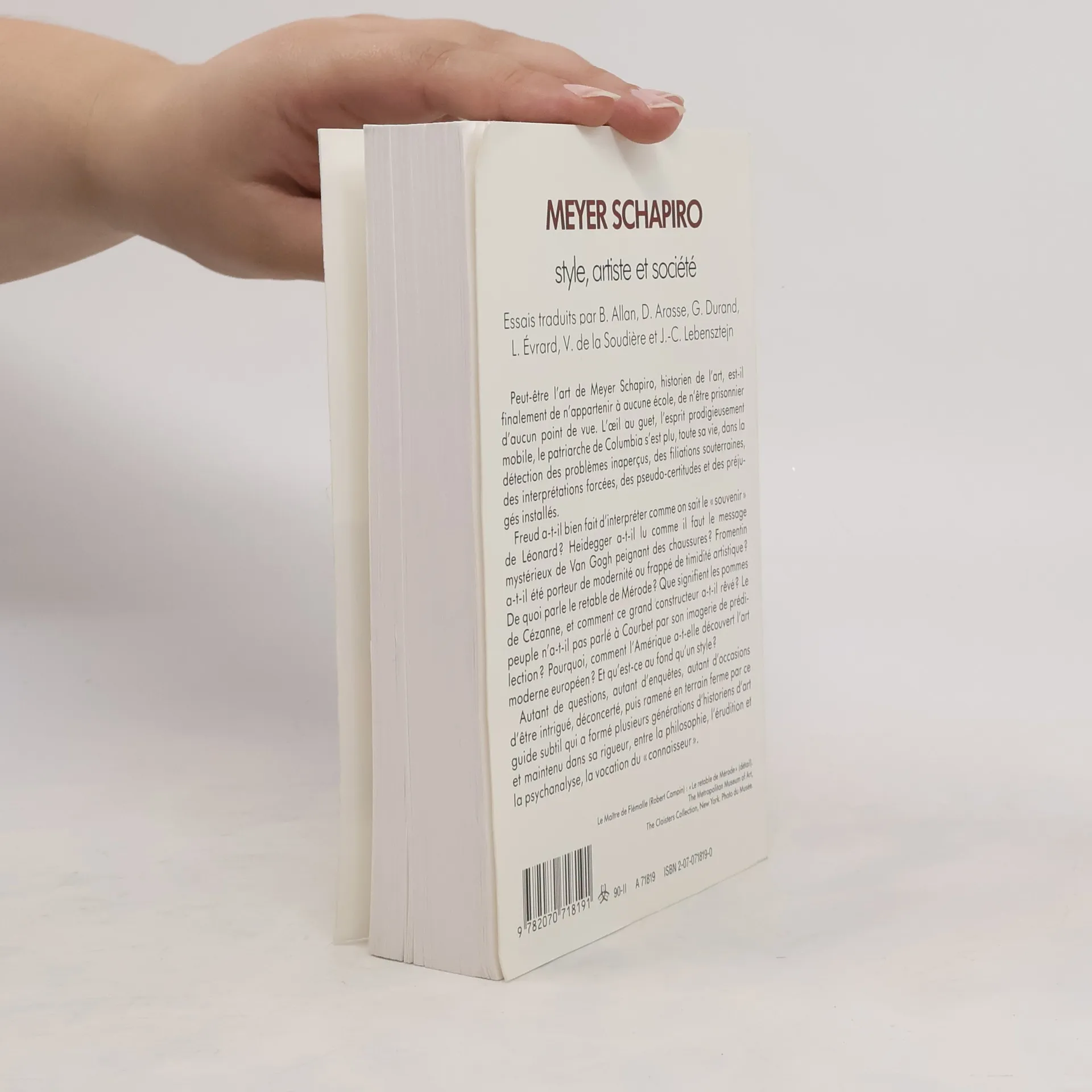
This fourth volume of Professor Meyer Schapiro's Selected Papers contains his most important writings--some well-known and others previously unpublished - on the theory and philosophy of art. Schapiro's highly lucid arguments, graceful prose, and extraordinary erudition guide readers through a rich variety of fields and issues: the roles in society of the artist and art, of the critic and criticism; the relationships between patron and artist, psychoanalysis and art, and philosophy and art. Adapting critical methods from such wide-ranging fields as anthropology, linguistics, philosophy, biology, and other sciences, Schapiro appraises fundamental semantic terms such as "organic style," "pictorial style", "field and vehicle," and "form and content"; he elucidates eclipsed intent in a well-known text by Freud on Leonardo da Vinci, in another by Heidegger on Vincent van Gogh. He reflects on the critical methodology of Bernard Berenson, and on the social philosophy of art in the writings of both Diderot and the nineteenth century French artist/historian Eugene Fromentin. Throughout all of his writings, Meyer Schapiro provides us with a means of ordering our past that is reasoned and passionate, methodical and inventive. In so doing, he revitalizes our faith in the unsurpassed importance of both critical thinking and creative independence.

Zakup książki
Style, artiste et société, Meyer Schapiro
- Język

- Rok wydania
- 1990
- Oprawa
- (miękka)
Metody płatności
Brakuje nam tutaj Twojej recenzji.
- Tytuł
- Style, artiste et société
- Język
- francuski
- Autorzy
- Meyer Schapiro
- Wydawca
- Gallimard
- Rok wydania
- 1990
- Oprawa
- miękka
- Liczba stron
- 448
- ISBN10
- 2070718190
- ISBN13
- 9782070718191
- Seria
- Ocena
- 4,5 z 5
- Opis
- This fourth volume of Professor Meyer Schapiro's Selected Papers contains his most important writings--some well-known and others previously unpublished - on the theory and philosophy of art. Schapiro's highly lucid arguments, graceful prose, and extraordinary erudition guide readers through a rich variety of fields and issues: the roles in society of the artist and art, of the critic and criticism; the relationships between patron and artist, psychoanalysis and art, and philosophy and art. Adapting critical methods from such wide-ranging fields as anthropology, linguistics, philosophy, biology, and other sciences, Schapiro appraises fundamental semantic terms such as "organic style," "pictorial style", "field and vehicle," and "form and content"; he elucidates eclipsed intent in a well-known text by Freud on Leonardo da Vinci, in another by Heidegger on Vincent van Gogh. He reflects on the critical methodology of Bernard Berenson, and on the social philosophy of art in the writings of both Diderot and the nineteenth century French artist/historian Eugene Fromentin. Throughout all of his writings, Meyer Schapiro provides us with a means of ordering our past that is reasoned and passionate, methodical and inventive. In so doing, he revitalizes our faith in the unsurpassed importance of both critical thinking and creative independence.