

Parametry
- 413 stron
- 15 godzin czytania
Więcej o książce
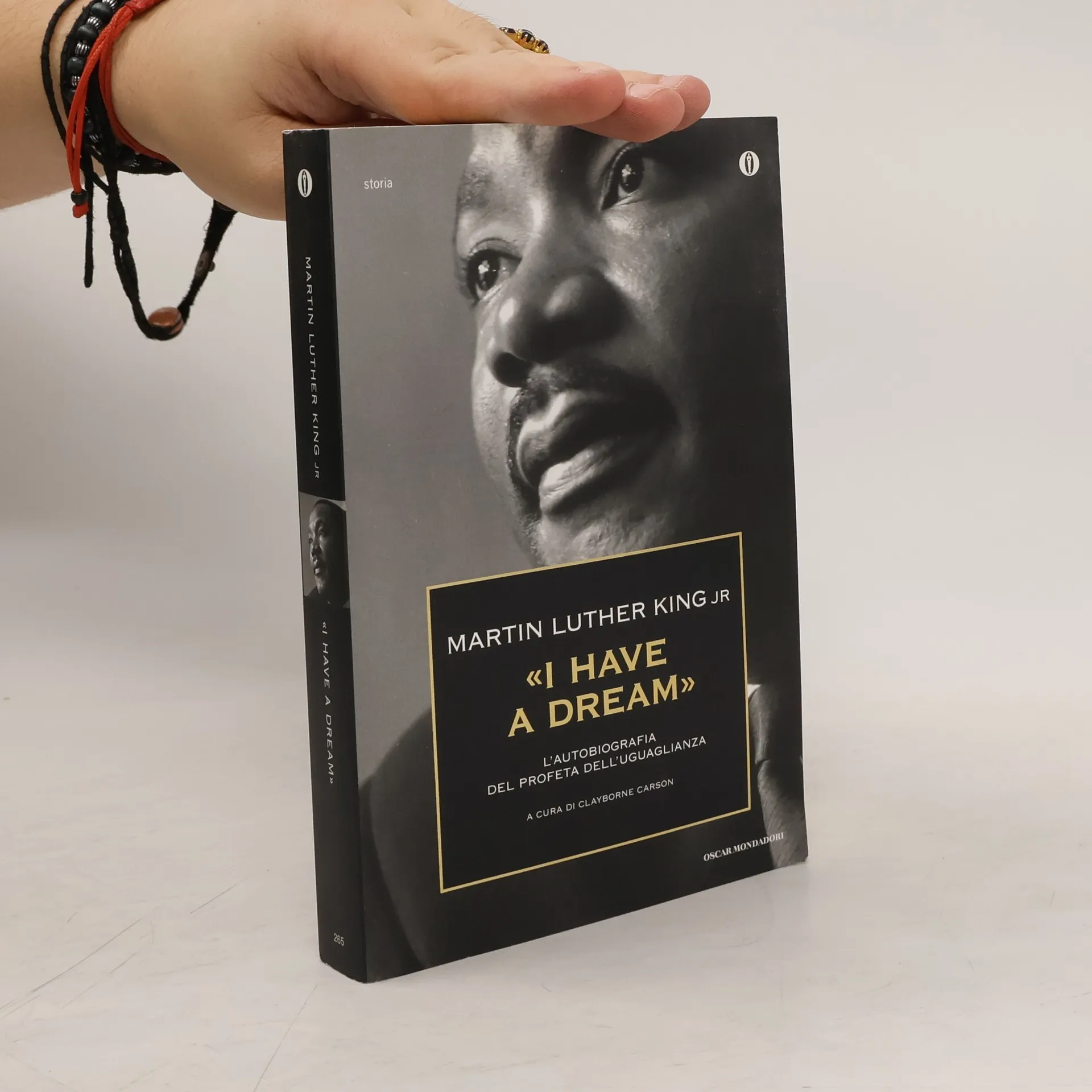
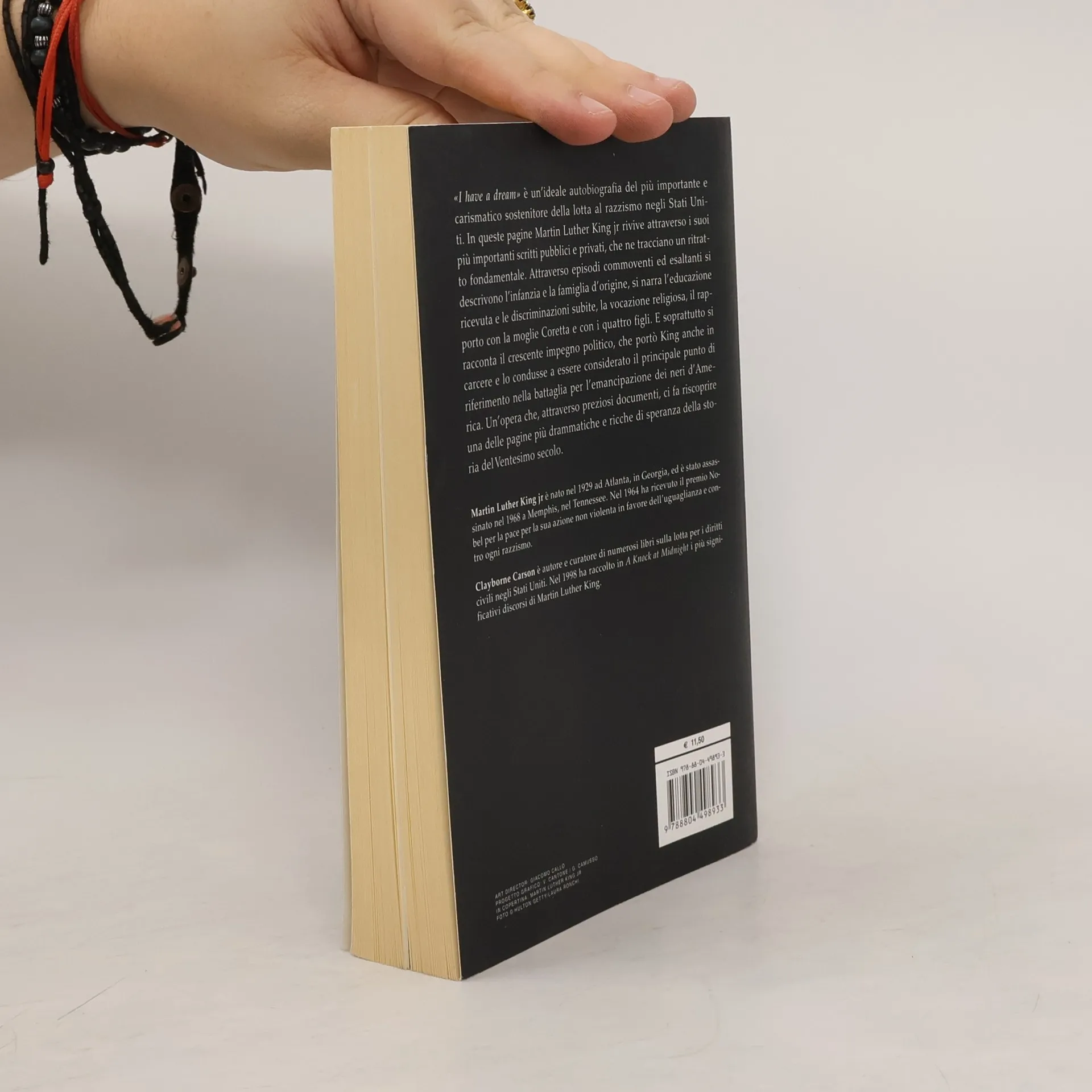
Celebrated Stanford historian Clayborne Carson, director and editor of the Martin Luther King Papers Project, has organized King's extensive writings into a posthumous autobiography. King's early essay highlights the importance of an informed democracy, stating that a nation cannot thrive with one group living in ignorance. This sentiment is woven throughout his career, forming a coherent narrative of his quest for social justice. The autobiography explores King's philosophical training at Morehouse College, Crozer Theological Seminary, and Boston University, where he integrated the teachings of Afro-American theologian Benjamin Mays with the philosophies of Locke, Rousseau, Gandhi, and Thoreau. Readers experience King's trials and triumphs, including the Montgomery Boycott, the iconic "I Have a Dream" speech, the Selma March, and his receipt of the 1964 Nobel Peace Prize. In one of his final speeches, King emphasized that God judges us by the overall trajectory of our lives, not individual mistakes. Carson's editing presents a compelling argument for King's legacy, drawing directly from his writings to illuminate his life circumstances without deifying him.

Zakup książki
I Have a Dream. L'autobiografia del profeta dell'uguaglianza, Martin Luther King, Clayborne Carson, Tania Gargiulo
- Język

- Rok wydania
- 2001
- Oprawa
- (miękka)
Metody płatności
Brakuje nam tutaj Twojej recenzji.
- Tytuł
- I Have a Dream. L'autobiografia del profeta dell'uguaglianza
- Język
- włoski
- Wydawca
- Mondadori
- Rok wydania
- 2001
- Oprawa
- miękka
- Liczba stron
- 413
- ISBN10
- 8804498935
- ISBN13
- 9788804498933
- Seria
- Kategorie
- Ocena
- 4,3 z 5
- Opis
- Celebrated Stanford historian Clayborne Carson, director and editor of the Martin Luther King Papers Project, has organized King's extensive writings into a posthumous autobiography. King's early essay highlights the importance of an informed democracy, stating that a nation cannot thrive with one group living in ignorance. This sentiment is woven throughout his career, forming a coherent narrative of his quest for social justice. The autobiography explores King's philosophical training at Morehouse College, Crozer Theological Seminary, and Boston University, where he integrated the teachings of Afro-American theologian Benjamin Mays with the philosophies of Locke, Rousseau, Gandhi, and Thoreau. Readers experience King's trials and triumphs, including the Montgomery Boycott, the iconic "I Have a Dream" speech, the Selma March, and his receipt of the 1964 Nobel Peace Prize. In one of his final speeches, King emphasized that God judges us by the overall trajectory of our lives, not individual mistakes. Carson's editing presents a compelling argument for King's legacy, drawing directly from his writings to illuminate his life circumstances without deifying him.