

Więcej o książce
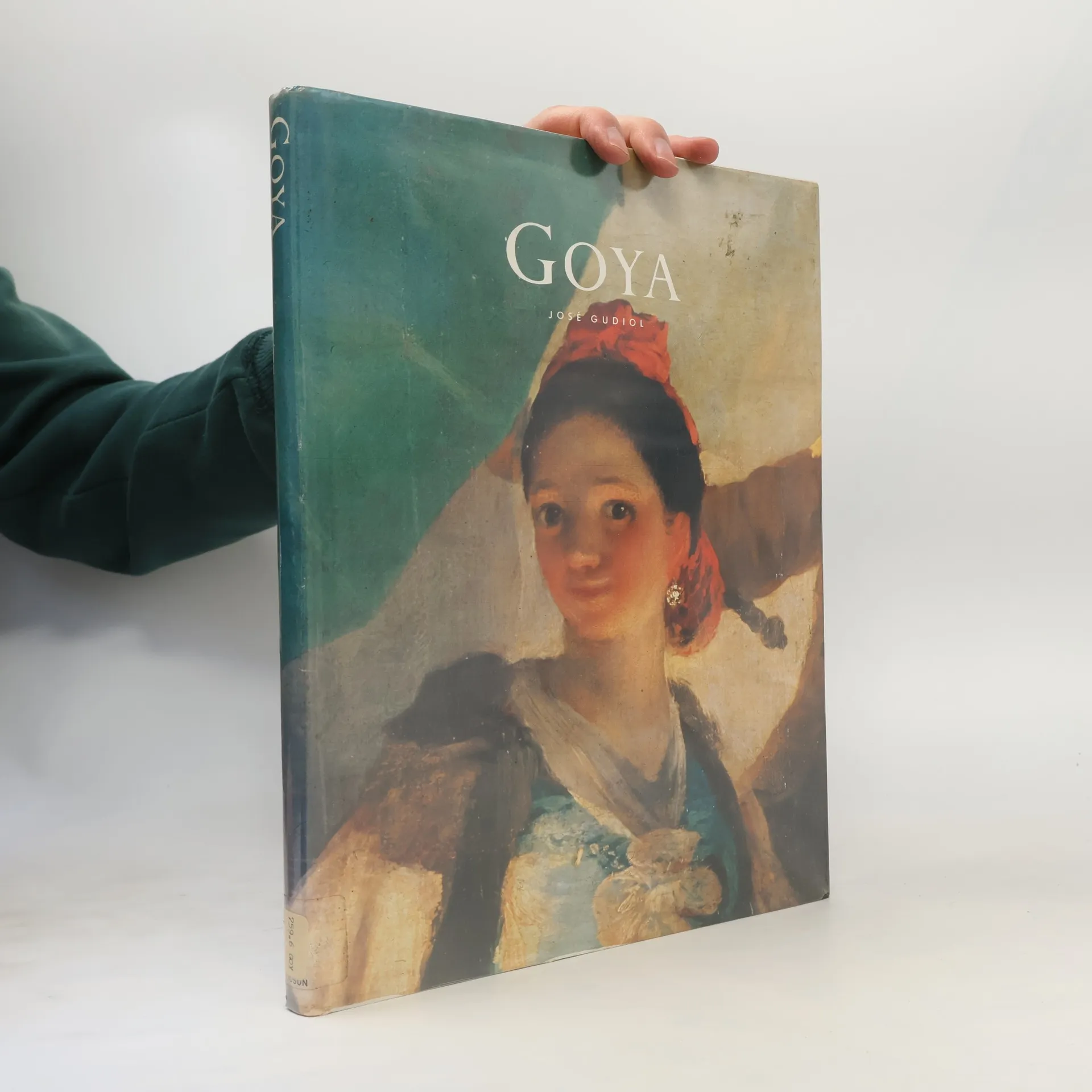
Goya--the name alone evokes countless masterpieces, both painted and printed: the raw and brutal "Third of May 1808," the nightmarish "Caprichos" etchings (with the famous motto, "The sleep of reason produces monsters"), the compellingly erotic "Nude Maja" and "Clothed Maja," the savage "Disasters of War" series and, of course, the late black paintings, with their murky forebodings of public unrest and private turmoil. Although Goya's influence on his contemporaries was minimal (eclipsed as he was at the time by artists trained in the classical style of David and Ingres), it can now be traced clearly from Manet through Picasso to Surrealism, Polke, the Chapman brothers and on. Nobody expressed the ravages of warfare and the extremes of human experience like Goya; it made him the envy of Picasso, who, as a young artist, copied his signature over and over, as though to absorb the personality and abilities of his one supreme influence. And it is perhaps the wildly imaginative freedoms of Goya's late work that has kept him so contemporary--that, and the palpable emotion in his brushwork, so full of impact and sensation. Here, Jose Gudiol, renowned author of essays and monographs on Velazquez, El Greco and Spanish art, provides a serious introduction to the massive subject that is Goya.

Wydanie


Zakup książki
Goya, José Gudiol, Francisco José de Goya y Lucientes
- Język

- Rok wydania
- 1990
- Oprawa
- (twarda)
Metody płatności
Brakuje nam tutaj Twojej recenzji.
- Tytuł
- Goya
- Podtytuł
- Francisco de Goya y Lucientes
- Język
- angielski
- Wydawca
- Thames & Hudson Ltd
- Rok wydania
- 1990
- Oprawa
- twarda
- Liczba stron
- 128
- ISBN10
- 0500080399
- ISBN13
- 9780500080399
- Seria
- Tagi
- Sztuki piękne
- Ocena
- 4,35 z 5
- Opis
- Goya--the name alone evokes countless masterpieces, both painted and printed: the raw and brutal "Third of May 1808," the nightmarish "Caprichos" etchings (with the famous motto, "The sleep of reason produces monsters"), the compellingly erotic "Nude Maja" and "Clothed Maja," the savage "Disasters of War" series and, of course, the late black paintings, with their murky forebodings of public unrest and private turmoil. Although Goya's influence on his contemporaries was minimal (eclipsed as he was at the time by artists trained in the classical style of David and Ingres), it can now be traced clearly from Manet through Picasso to Surrealism, Polke, the Chapman brothers and on. Nobody expressed the ravages of warfare and the extremes of human experience like Goya; it made him the envy of Picasso, who, as a young artist, copied his signature over and over, as though to absorb the personality and abilities of his one supreme influence. And it is perhaps the wildly imaginative freedoms of Goya's late work that has kept him so contemporary--that, and the palpable emotion in his brushwork, so full of impact and sensation. Here, Jose Gudiol, renowned author of essays and monographs on Velazquez, El Greco and Spanish art, provides a serious introduction to the massive subject that is Goya.