

Więcej o książce
An absorbing novel of dissident life in the Soviet Union, this sweeping saga follows three school friends in 1950s Moscow who embody the heroism, folly, compromise, and hope of the Soviet dissident experience. The trio includes an orphaned poet, a fragile pianist, and a budding photographer skilled in collecting secrets. They navigate adulthood in a society where their heroes have been censored and exiled. Rich with love stories, intrigue, and a diverse cast of dissenters and spies, the narrative offers a panoramic view of life after Stalin and examines the quest for integrity in a KGB-defined society. Each character seeks to transcend oppression through art, a love of Russian literature, and activism, ultimately confronting a secret police adept at fostering paranoia, division, and self-betrayal. An artist is forced into hiding for four years; a researcher condemns a patient to torture in a psychiatric ward; a man and his wife become unwitting collaborators. This intimate yet expansive novel belongs to the tradition of great Russian literature, exploring themes of politics, love, and belief, and revealing the complexities of life in dark times.


Zakup książki
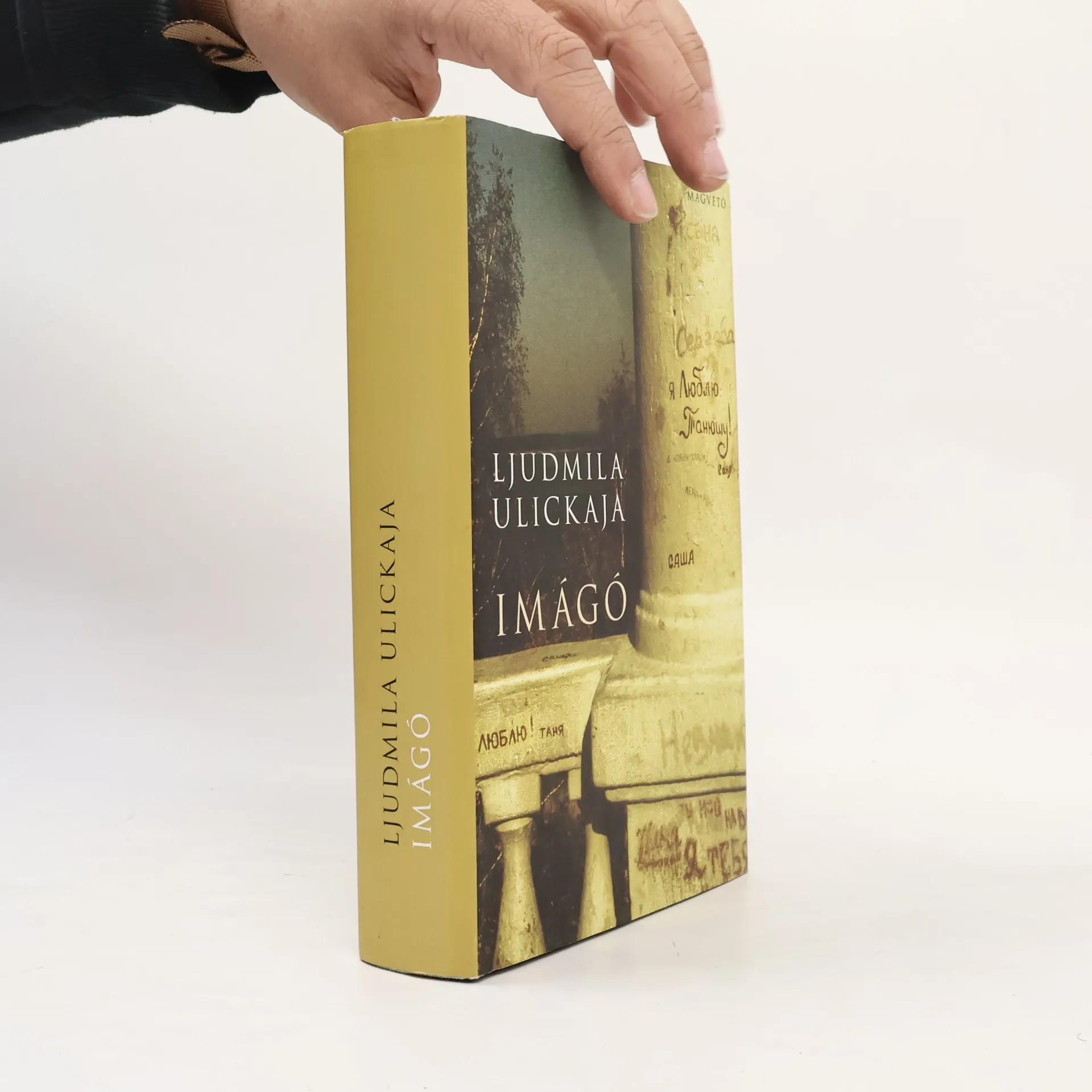
Imágó, Ljudmila Jewgenjewna Ulizkaja
- Język

- Rok wydania
- 2011
- Oprawa
- (twarda),
- Stan książki
- Dobry
- Cena
- 30,31 zł
Metody płatności
Brakuje nam tutaj Twojej recenzji.
- Tytuł
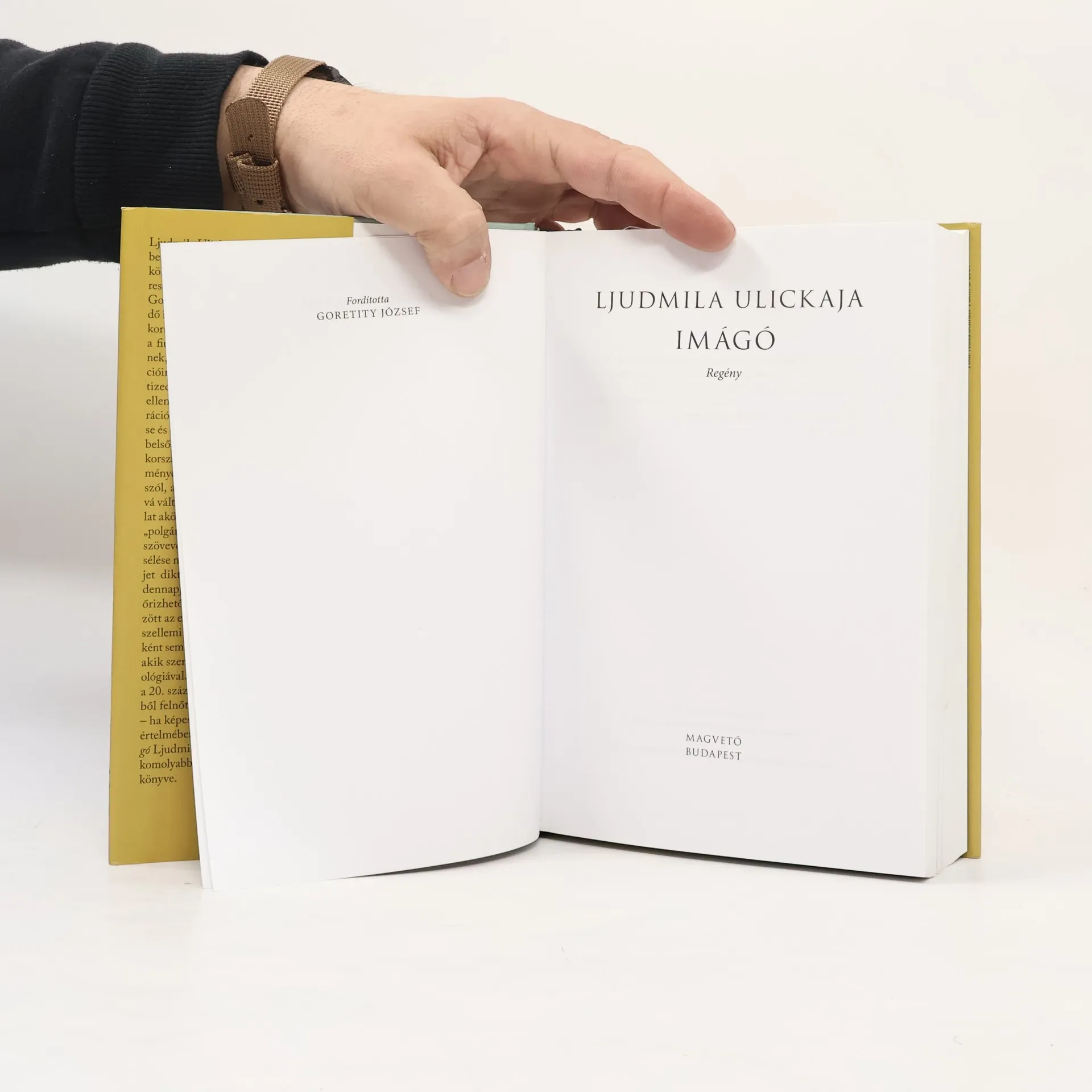
- Imágó
- Język
- węgierski
- Wydawca
- Magvető
- Rok wydania
- 2011
- Oprawa
- twarda
- Liczba stron
- 621
- ISBN10
- 9631428907
- ISBN13
- 9789631428902
- Seria
- Kategorie
- Tagi
- Tematy historyczne, Tematyka muzyczna, Przyjaźń, Życie, Rosja, Literatura rosyjska, Związek Radziecki, Moskwa, Dyktatura, Stalinizm, Prześladowania polityczne, KGB, Intelektualiści, Dysydenci, Samizdat
- Pierwsze wydanie
- 2010
- Oryginalna nazwa
- Зелёный шатёр (Zeljonyj šaťor)
- Ocena
- 3,9 z 5
- Opis
- An absorbing novel of dissident life in the Soviet Union, this sweeping saga follows three school friends in 1950s Moscow who embody the heroism, folly, compromise, and hope of the Soviet dissident experience. The trio includes an orphaned poet, a fragile pianist, and a budding photographer skilled in collecting secrets. They navigate adulthood in a society where their heroes have been censored and exiled. Rich with love stories, intrigue, and a diverse cast of dissenters and spies, the narrative offers a panoramic view of life after Stalin and examines the quest for integrity in a KGB-defined society. Each character seeks to transcend oppression through art, a love of Russian literature, and activism, ultimately confronting a secret police adept at fostering paranoia, division, and self-betrayal. An artist is forced into hiding for four years; a researcher condemns a patient to torture in a psychiatric ward; a man and his wife become unwitting collaborators. This intimate yet expansive novel belongs to the tradition of great Russian literature, exploring themes of politics, love, and belief, and revealing the complexities of life in dark times.