

Więcej o książce
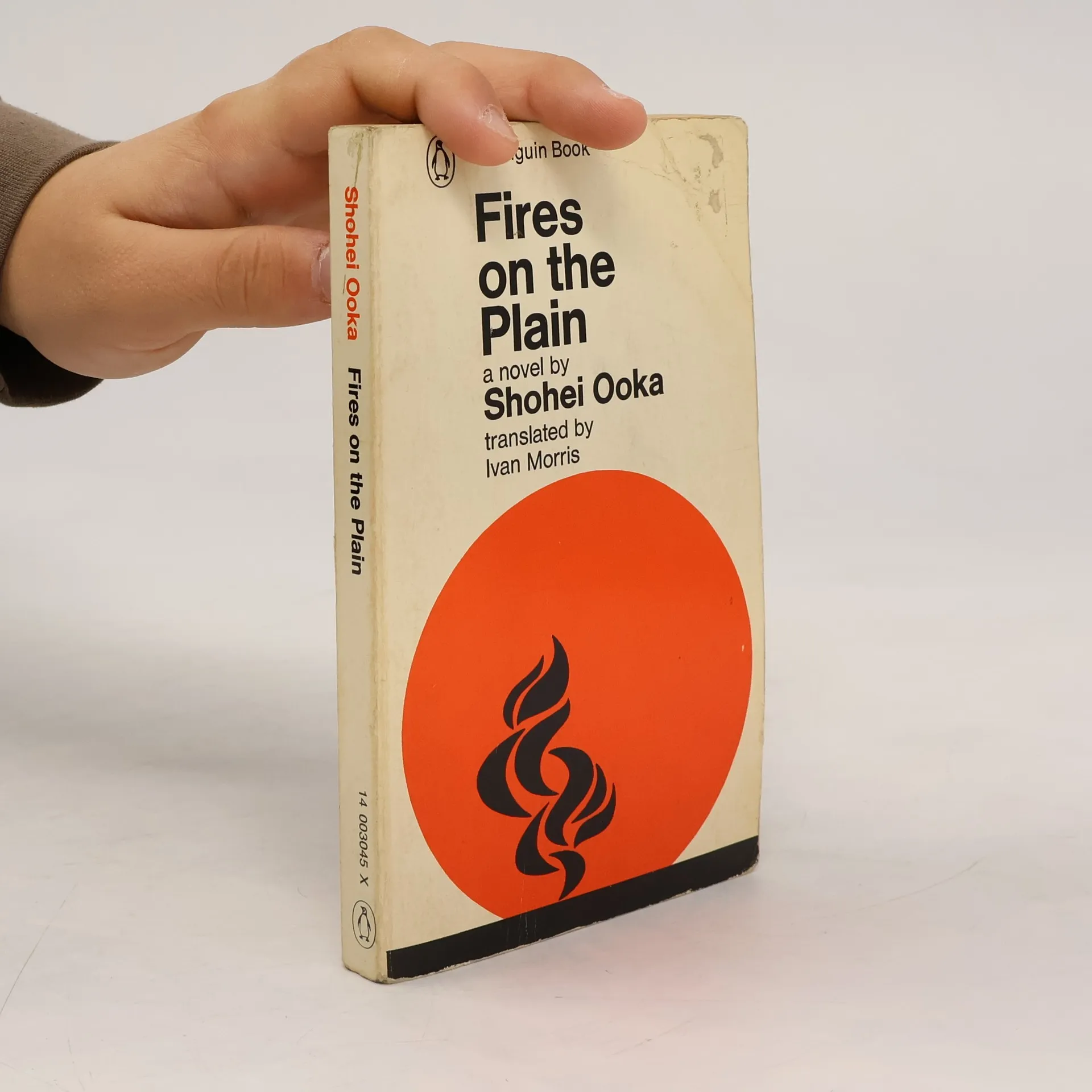
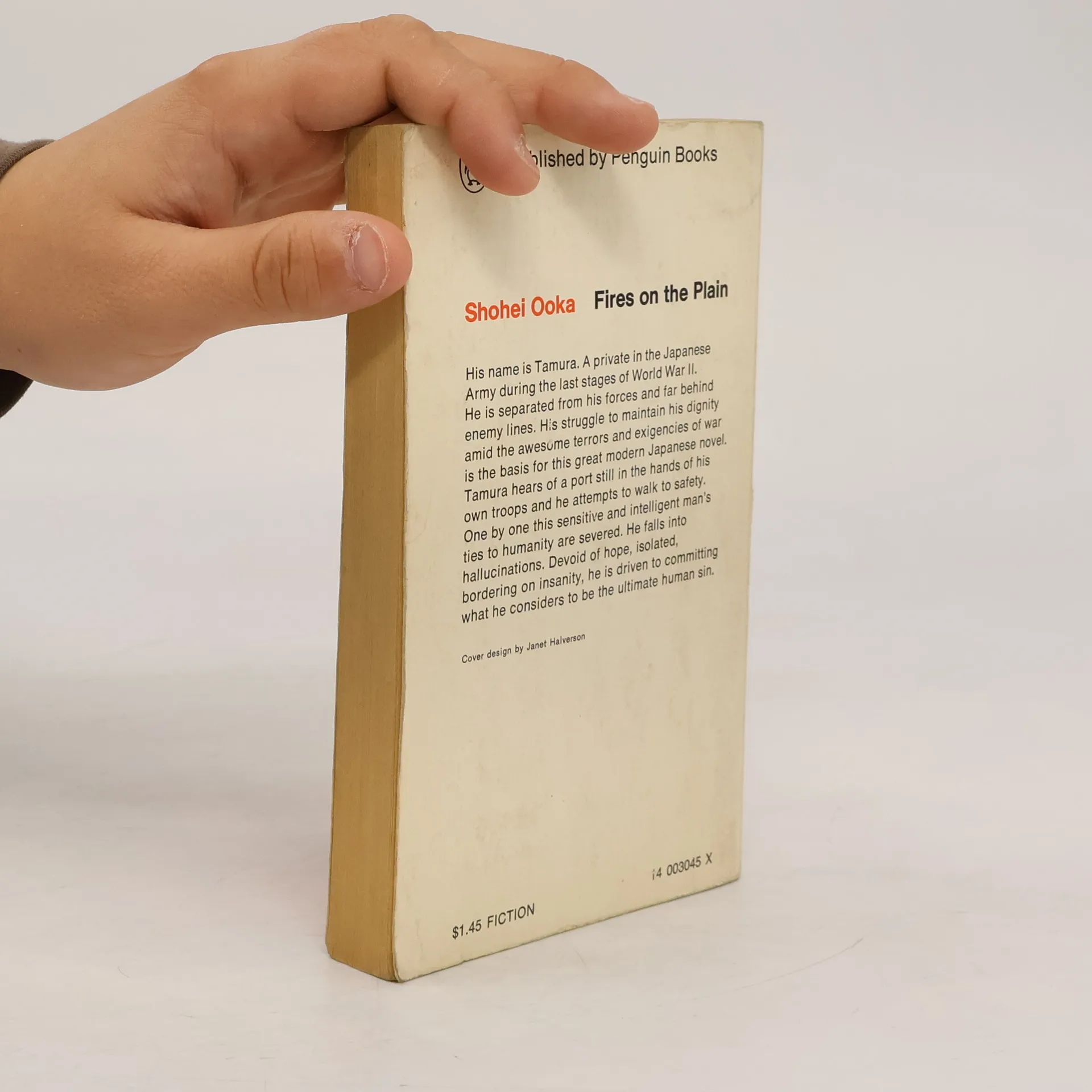
The protagonist of "Fires on the Plain" is Tamura, a tuberculosis-stricken soldier who has been rejected by his unit and refuses to seek help at a field hospital, leading to his isolation from humanity. Left to fend for himself, he navigates the Philippine jungle, constantly facing life-threatening dangers with little hope of rescue. Shōhei Ōoka explores the limits of humanity in this psychological novel, depicting the story of a man in an extreme situation where hunger, loneliness, and despair push him to the brink of madness. "Fires on the Plain" stands as one of the most powerful testimonies to the horrors of war in world literature. Shōhei Ōoka (1909–1983) is a leading figure of the first wave of post-war Japanese literature, known for its anti-war stance, psychological depth, and realistic portrayal of reality, heavily influenced by his experiences on the Philippine front and in an American POW camp.


Zakup książki
Fires on the Plain, Shōhei Ōoka
- Język

- Rok wydania
- 1969
- Oprawa
- (miękka)
Metody płatności
Brakuje nam tutaj Twojej recenzji.
- Tytuł
- Fires on the Plain
- Język
- angielski
- Autorzy
- Shōhei Ōoka
- Wydawca
- Penguin
- Rok wydania
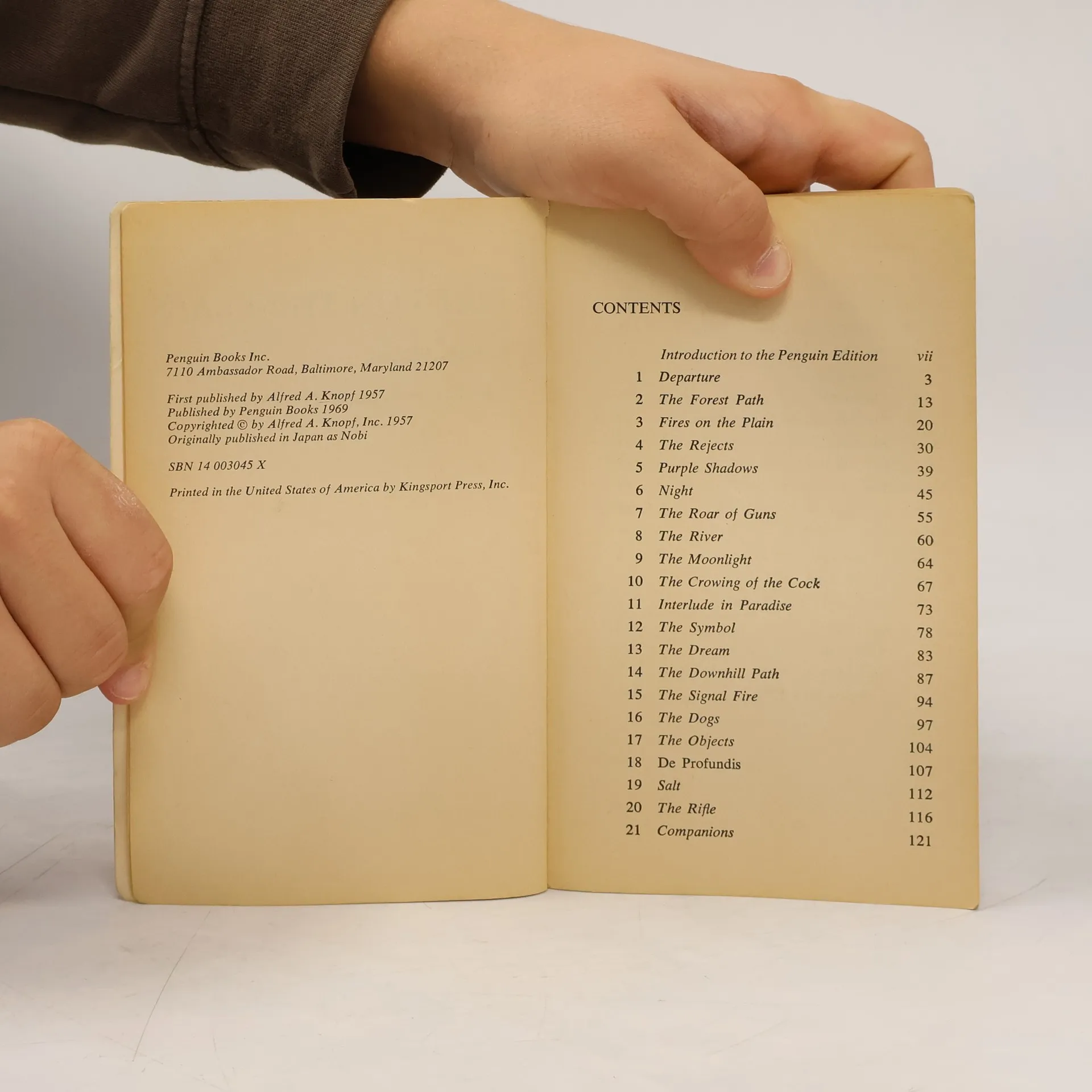
- 1969
- Oprawa
- miękka
- Seria
- Kategorie
- Tagi
- Tematy historyczne, Fikcja wojenna, Wojny, II Wojna Światowa, Japonia, Azja, Literatura japońska, Żołnierze, Japończycy, Antywojenna
- Pierwsze wydanie
- 1951
- Oryginalna nazwa
- Nobi
- Ocena
- 4,25 z 5
- Opis
- The protagonist of "Fires on the Plain" is Tamura, a tuberculosis-stricken soldier who has been rejected by his unit and refuses to seek help at a field hospital, leading to his isolation from humanity. Left to fend for himself, he navigates the Philippine jungle, constantly facing life-threatening dangers with little hope of rescue. Shōhei Ōoka explores the limits of humanity in this psychological novel, depicting the story of a man in an extreme situation where hunger, loneliness, and despair push him to the brink of madness. "Fires on the Plain" stands as one of the most powerful testimonies to the horrors of war in world literature. Shōhei Ōoka (1909–1983) is a leading figure of the first wave of post-war Japanese literature, known for its anti-war stance, psychological depth, and realistic portrayal of reality, heavily influenced by his experiences on the Philippine front and in an American POW camp.