

Więcej o książce
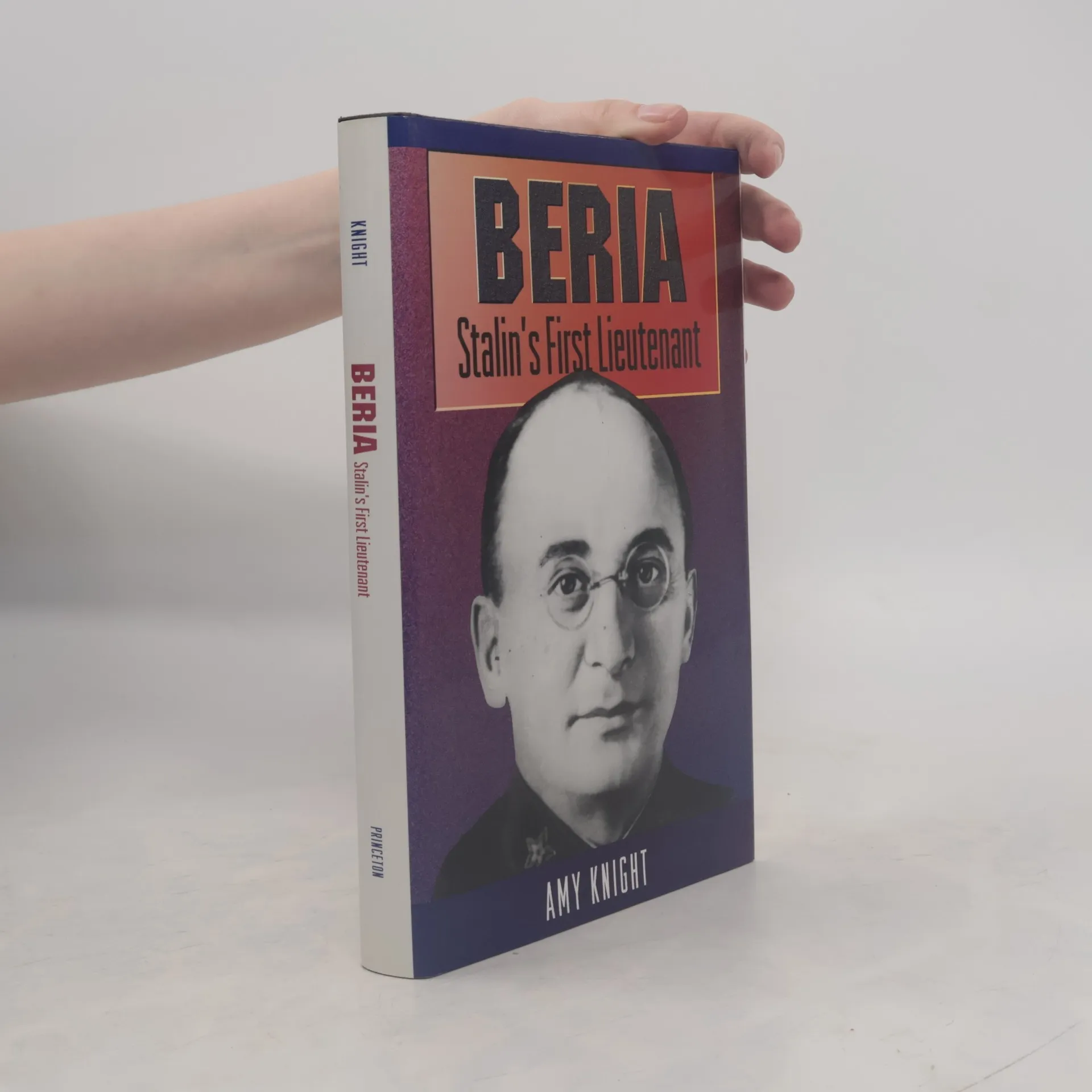
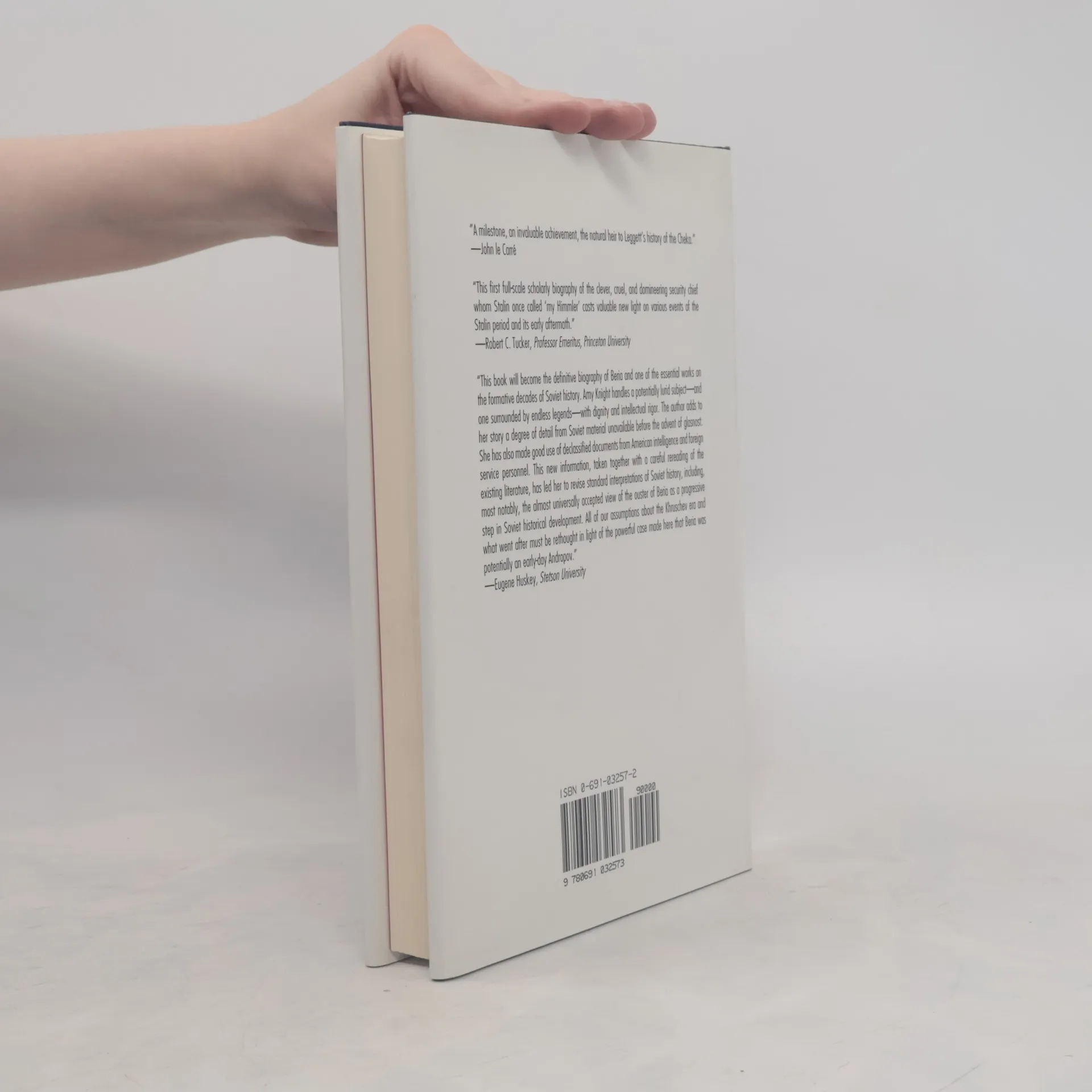
This comprehensive biography delves into the life of Lavrentii Beria, Stalin's infamous police chief and a key figure in the Stalinist regime. Beria has long represented the darker aspects of Stalinism, yet much of his history remained obscured after his arrest and execution in 1953, when political adversaries erased his legacy. Utilizing newly available sources from the glasnost era, Amy Knight meticulously chronicles Beria's rise within the Stalinist hierarchy, his intricate relationship with Stalin, and his contentious rivalry with Khrushchev post-Stalin. The myths surrounding Beria, fueled by a lack of factual information, have skewed perceptions of his career and the significant influence he wielded over Stalin. Stalin once referred to him as "Our Himmler" in a conversation with Roosevelt, highlighting Beria's critical role, arguably surpassing that of Himmler to Hitler. Born in 1899, Beria was not part of Stalin's revolutionary cohort but shared a Georgian background. He gained Stalin's trust as the police chief in Georgia and Transcaucasia before moving to Moscow in 1938 to lead the NKVD. Beria oversaw intelligence, domestic security, and the extensive GULAG labor network, while also managing the Soviet atomic bomb project. Knight emphasizes Beria's psychological manipulation skills as pivotal to his relationship with the insecure Stalin, who preferred compliant bureaucrats over insightful advisors.
Zakup książki
Beria, Amy W. Knight
- Język

- Rok wydania
- 1993
- Oprawa
- (twarda)
Metody płatności
Brakuje nam tutaj Twojej recenzji.
- Tytuł
- Beria
- Podtytuł
- Stalin's First Lieutenant
- Język
- angielski
- Autorzy
- Amy W. Knight
- Wydawca
- Princeton University Press
- Rok wydania
- 1993
- Oprawa
- twarda
- Liczba stron
- 338
- ISBN10
- 0691032572
- ISBN13
- 9780691032573
- Seria
- Ocena
- 3,5 z 5
- Opis
- This comprehensive biography delves into the life of Lavrentii Beria, Stalin's infamous police chief and a key figure in the Stalinist regime. Beria has long represented the darker aspects of Stalinism, yet much of his history remained obscured after his arrest and execution in 1953, when political adversaries erased his legacy. Utilizing newly available sources from the glasnost era, Amy Knight meticulously chronicles Beria's rise within the Stalinist hierarchy, his intricate relationship with Stalin, and his contentious rivalry with Khrushchev post-Stalin. The myths surrounding Beria, fueled by a lack of factual information, have skewed perceptions of his career and the significant influence he wielded over Stalin. Stalin once referred to him as "Our Himmler" in a conversation with Roosevelt, highlighting Beria's critical role, arguably surpassing that of Himmler to Hitler. Born in 1899, Beria was not part of Stalin's revolutionary cohort but shared a Georgian background. He gained Stalin's trust as the police chief in Georgia and Transcaucasia before moving to Moscow in 1938 to lead the NKVD. Beria oversaw intelligence, domestic security, and the extensive GULAG labor network, while also managing the Soviet atomic bomb project. Knight emphasizes Beria's psychological manipulation skills as pivotal to his relationship with the insecure Stalin, who preferred compliant bureaucrats over insightful advisors.