

Więcej o książce
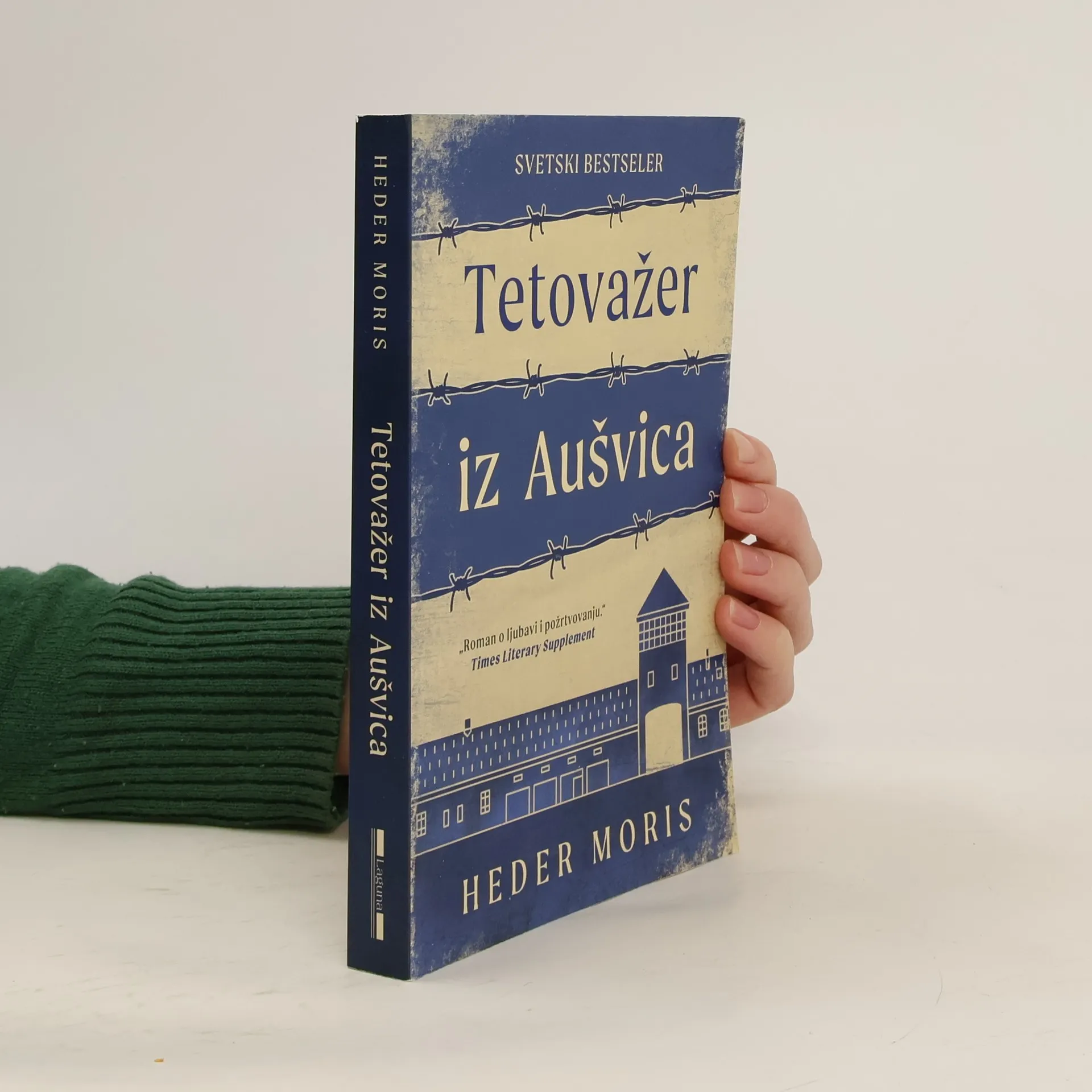
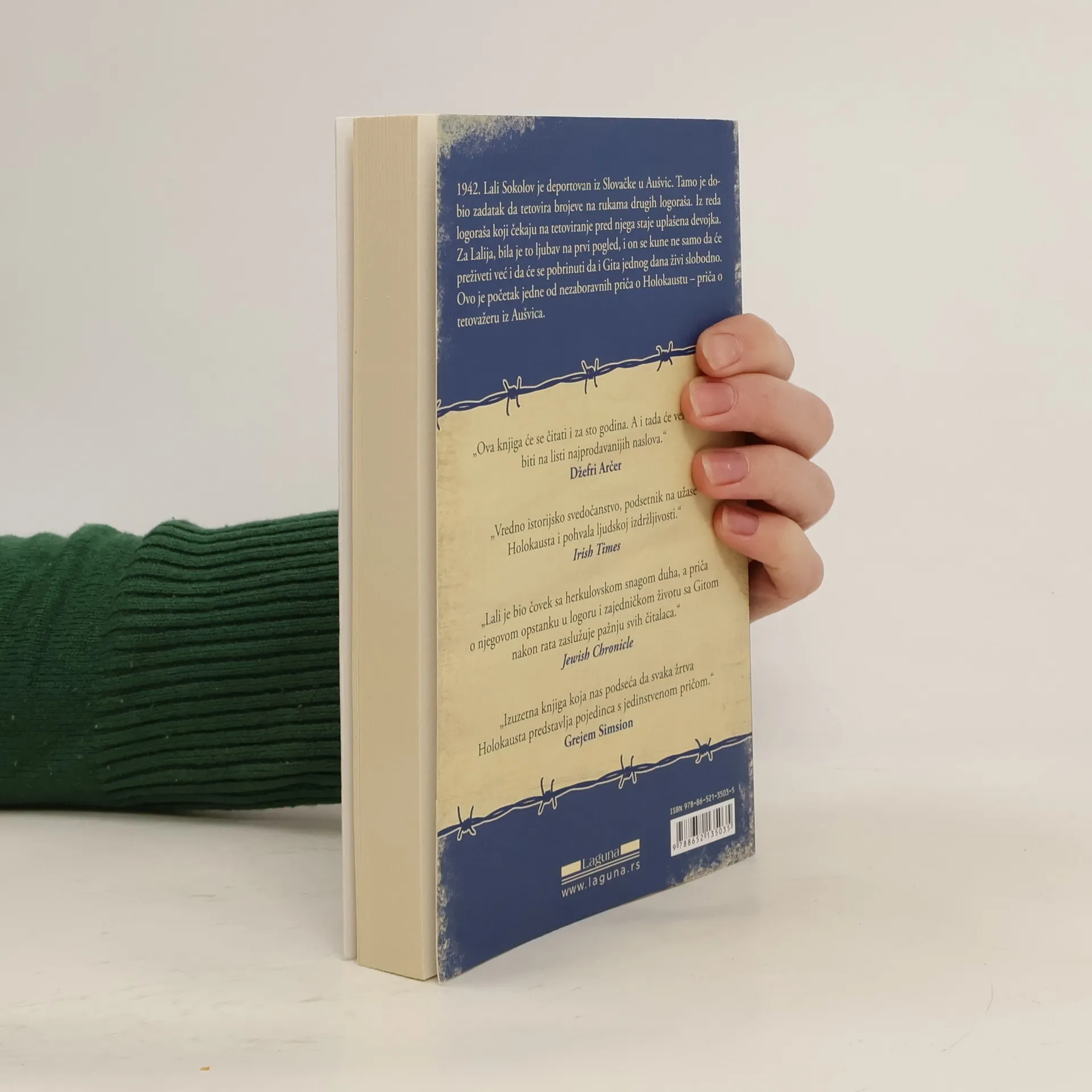
A tale based on interviews that were conducted with Holocaust survivor and Auschwitz-Birkenau tattooist Ludwig (Lale) Sokolov. In April 1942, Lale Sokolov, a Slovakian Jew, is forcibly transported to the concentration camps at Auschwitz-Birkenau. When his captors discover that he speaks several languages, he is put to work as a Tätowierer (the German word for tattooist), tasked with permanently marking his fellow prisoners. Imprisoned for over two and a half years, Lale witnesses horrific atrocities and barbarism—but also incredible acts of bravery and compassion. Risking his own life, he uses his privileged position to exchange jewels and money from murdered Jews for food to keep his fellow prisoners alive. One day in July 1942, Lale, prisoner 32407, comforts a trembling young woman waiting in line to have the number 34902 tattooed onto her arm. Her name is Gita, and in that first encounter, Lale vows to somehow survive the camp and marry her.


Zakup książki
Tetovažer iz Aušvica, Žermen Filipović, Heather Morris
- Język

- Rok wydania
- 2019
- Oprawa
- (miękka)
Metody płatności
Brakuje nam tutaj Twojej recenzji.
- Tytuł
- Tetovažer iz Aušvica
- Język
- serbski
- Autorzy
- Žermen Filipović, Heather Morris
- Wydawca
- Laguna
- Rok wydania
- 2019
- Oprawa
- miękka
- Liczba stron
- 280
- ISBN10
- 8652135037
- ISBN13
- 9788652135035
- Kategorie
- Tagi
- Tematy historyczne, Miłość, Przyjaźń, Fikcja wojenna, Wojny, II Wojna Światowa, Żydzi, Holokaust, Nazizm, Nadzieja, Przetrwanie, Oparte na faktach, Obozy koncentracyjne, Bohaterowie, Prześladowanie Żydów, Auschwitz, Ofiary nazizmu, Tatuaż
- Pierwsze wydanie
- 2018
- Oryginalna nazwa
- The Tattooist of Auschwitz
- Ocena
- 4,3 z 5
- Opis
- A tale based on interviews that were conducted with Holocaust survivor and Auschwitz-Birkenau tattooist Ludwig (Lale) Sokolov. In April 1942, Lale Sokolov, a Slovakian Jew, is forcibly transported to the concentration camps at Auschwitz-Birkenau. When his captors discover that he speaks several languages, he is put to work as a Tätowierer (the German word for tattooist), tasked with permanently marking his fellow prisoners. Imprisoned for over two and a half years, Lale witnesses horrific atrocities and barbarism—but also incredible acts of bravery and compassion. Risking his own life, he uses his privileged position to exchange jewels and money from murdered Jews for food to keep his fellow prisoners alive. One day in July 1942, Lale, prisoner 32407, comforts a trembling young woman waiting in line to have the number 34902 tattooed onto her arm. Her name is Gita, and in that first encounter, Lale vows to somehow survive the camp and marry her.