



Więcej o książce
Kosovo, a 55-mile-long plateau south of Serbia, has historically been viewed as a backwater. A Bulgarian geographer noted its obscurity during WWI, a sentiment that would become ironically relevant in the '90s as both Kosovo and Central Africa witnessed widespread genocide driven by deep-seated ethnic hatreds. Noel Malcolm, a British historian and journalist with extensive writings on the Balkans, offers an overview of Kosovo's cultural divisions in his comprehensive work. For those following the conflict through media coverage, the violent struggle between ethnic Albanians and Serbs may seem perplexing. Malcolm explains that Kosovo is the birthplace of Serbian nationalism; the 1389 defeat of Serbian forces by Turks symbolizes the decline of the Serbian empire and the onset of Turkish dominance in the Balkans. Contemporary Serbian warriors seek to reclaim this land from the Albanians, the largest ethnic group in Kosovo, whose ancestors converted to Islam under Turkish rule. Malcolm’s text reveals that the conflict is less about bloodlines or religion and more about differing views of national origins and history. He concludes that a more rational and humane understanding of Kosovo among ordinary Serbs would benefit all people in the region, including the Serbs themselves.

Zakup książki
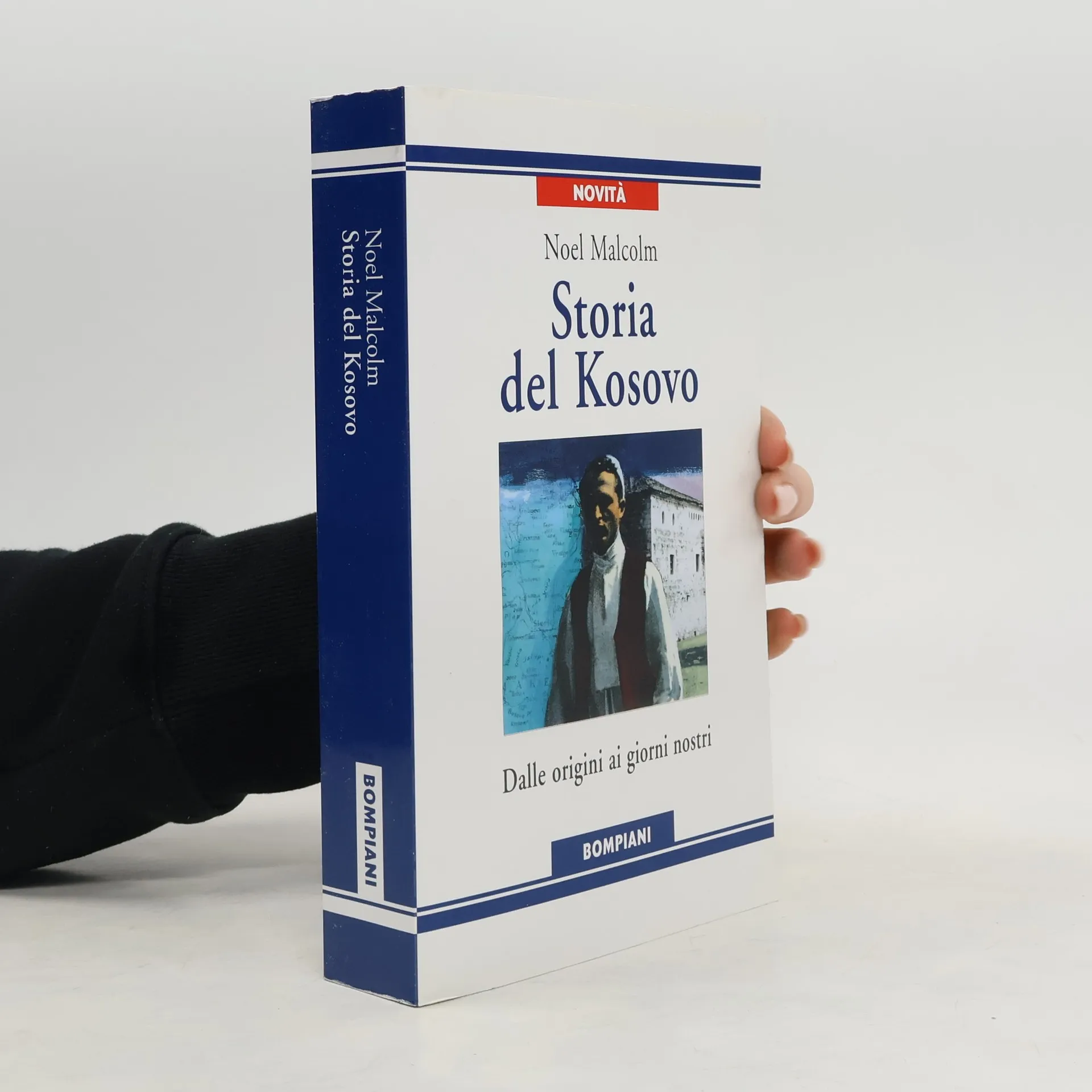
Storia del Kosovo. Dalle origini ai giorni nostri, Noel Malcolm
- Język

- Rok wydania
- 1999
- Oprawa
- (miękka)
Metody płatności
Brakuje nam tutaj Twojej recenzji.
- Tytuł
- Storia del Kosovo. Dalle origini ai giorni nostri
- Język
- włoski
- Autorzy
- Noel Malcolm
- Wydawca
- Bompiani
- Rok wydania
- 1999
- Oprawa
- miękka
- Liczba stron
- 533
- ISBN10
- 8845242730
- ISBN13
- 9788845242731
- Seria
- Ocena
- 4,1 z 5
- Opis
- Kosovo, a 55-mile-long plateau south of Serbia, has historically been viewed as a backwater. A Bulgarian geographer noted its obscurity during WWI, a sentiment that would become ironically relevant in the '90s as both Kosovo and Central Africa witnessed widespread genocide driven by deep-seated ethnic hatreds. Noel Malcolm, a British historian and journalist with extensive writings on the Balkans, offers an overview of Kosovo's cultural divisions in his comprehensive work. For those following the conflict through media coverage, the violent struggle between ethnic Albanians and Serbs may seem perplexing. Malcolm explains that Kosovo is the birthplace of Serbian nationalism; the 1389 defeat of Serbian forces by Turks symbolizes the decline of the Serbian empire and the onset of Turkish dominance in the Balkans. Contemporary Serbian warriors seek to reclaim this land from the Albanians, the largest ethnic group in Kosovo, whose ancestors converted to Islam under Turkish rule. Malcolm’s text reveals that the conflict is less about bloodlines or religion and more about differing views of national origins and history. He concludes that a more rational and humane understanding of Kosovo among ordinary Serbs would benefit all people in the region, including the Serbs themselves.