

Więcej o książce
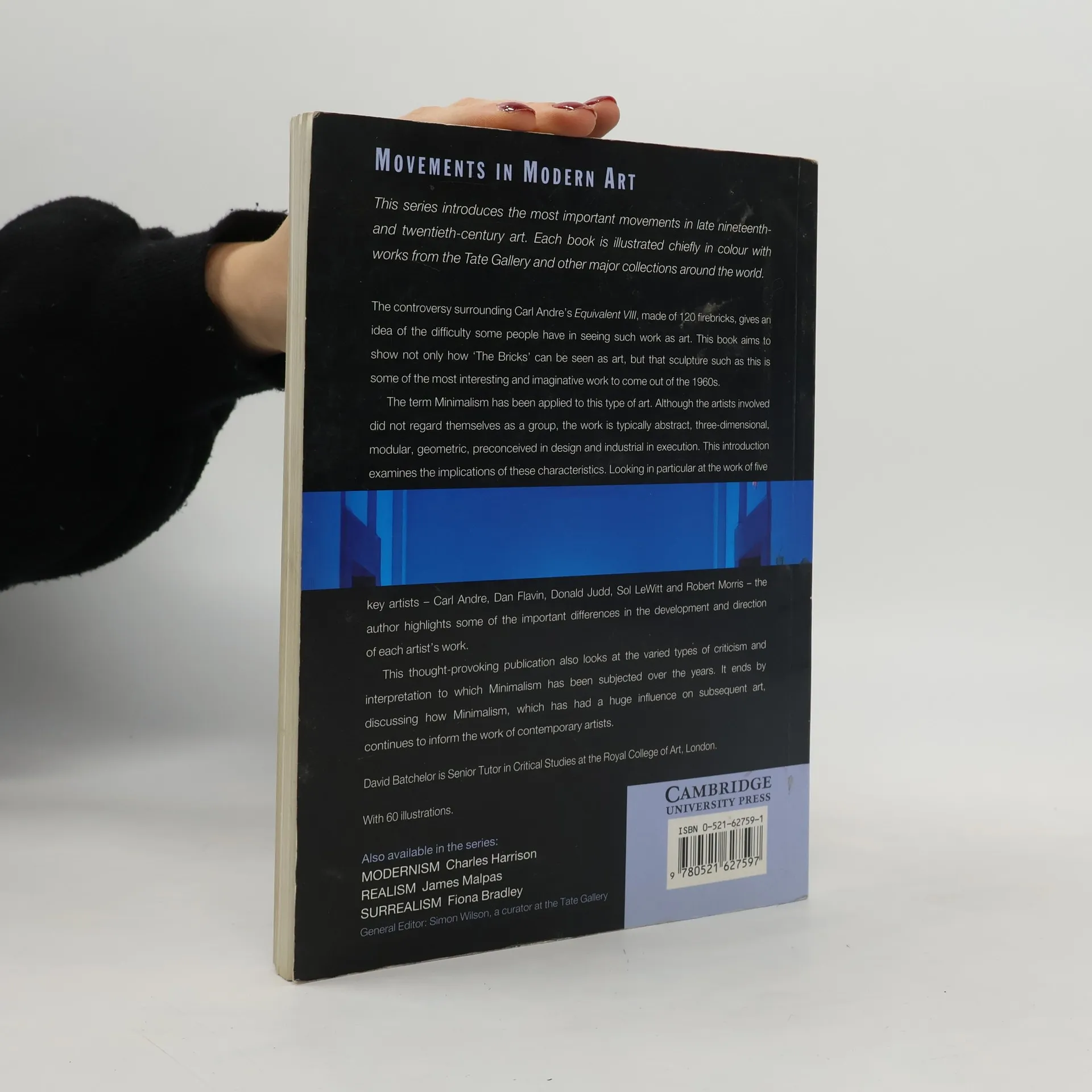
The controversy surrounding Carl Andre's Equivalent VIII, made of 120 firebricks, gives an idea of the difficulty some people have in seeing such works as art. This book aims to show not only how "The Bricks" can be seen as art, but that sculpture such as this is some of the most interesting and imaginative work to come out of the 1960s. The term Minimalism has been applied to this type of art. Although the artists involved did not regard themselves as a group, the work is typically abstract, three-dimensional, modular, geometric, preconceived in design and industrial in execution. This introduction examines the implications of these characteristics. Looking in particular at the work of five key artists--Carl Andre, Dan Flavin, Donald Judd, Sol LeWitt and Robert Morris--the author highlights some of the important differences in the development and direction of each artist's work. This thought-provoking publication also looks at the varied types of criticism and interpretation to which Minimalism has been subjected over the years. It ends by discussing how Minimalism, which has had a huge influence on subsequent art, continues to inform the work of contemporary artists.


Zakup książki
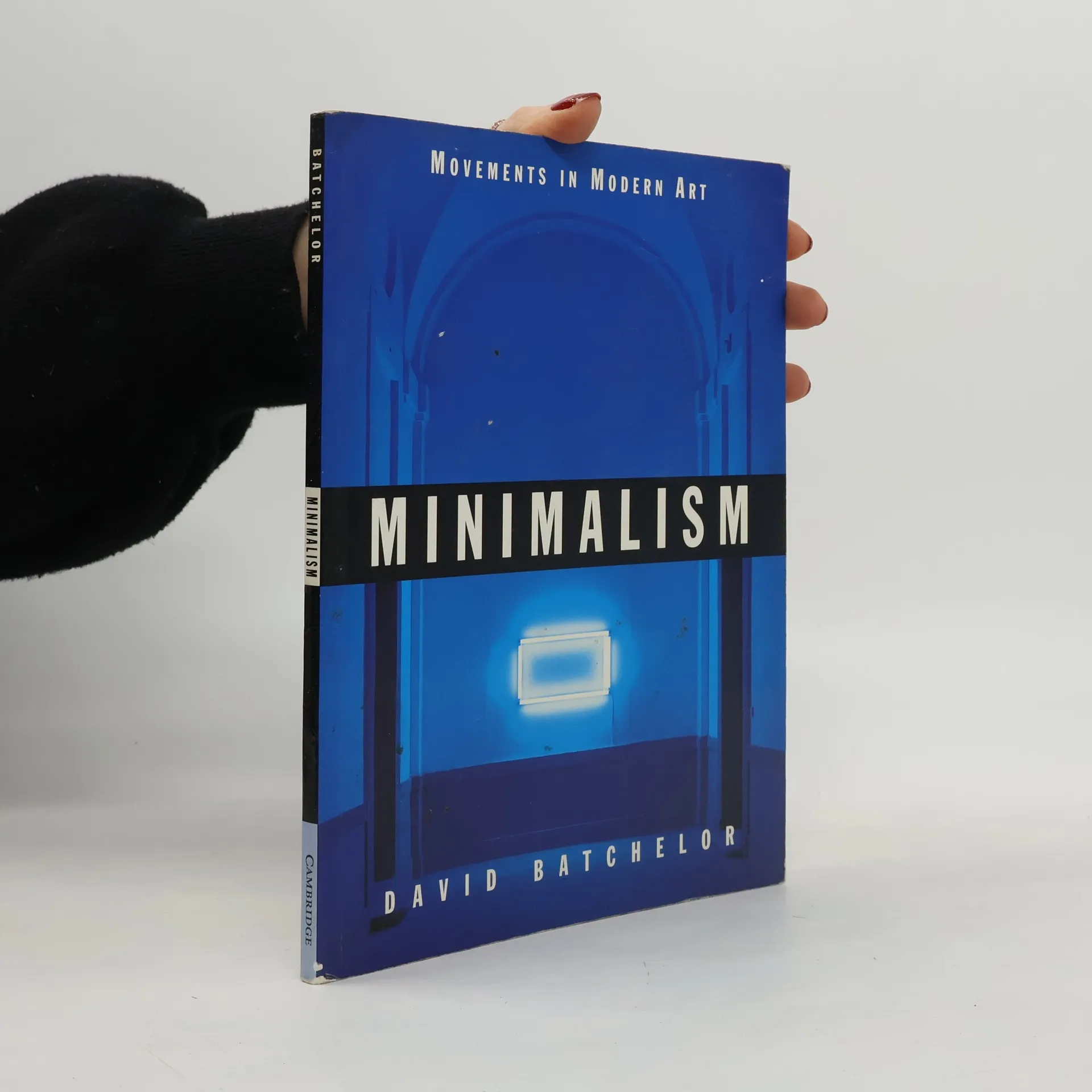
Movements in Modern Art: Minimalism, David Batchelor
- Język

- Rok wydania
- 1997
- Oprawa
- (miękka)
Metody płatności
Brakuje nam tutaj Twojej recenzji.
- Tytuł
- Movements in Modern Art: Minimalism
- Język
- angielski
- Autorzy
- David Batchelor
- Wydawca
- Cambridge University Press
- Rok wydania
- 1997
- Oprawa
- miękka
- Liczba stron
- 80
- ISBN10
- 0521627591
- ISBN13
- 9780521627597
- Kategorie
- Tagi
- Sztuka
- Ocena
- 3,7 z 5
- Opis
- The controversy surrounding Carl Andre's Equivalent VIII, made of 120 firebricks, gives an idea of the difficulty some people have in seeing such works as art. This book aims to show not only how "The Bricks" can be seen as art, but that sculpture such as this is some of the most interesting and imaginative work to come out of the 1960s. The term Minimalism has been applied to this type of art. Although the artists involved did not regard themselves as a group, the work is typically abstract, three-dimensional, modular, geometric, preconceived in design and industrial in execution. This introduction examines the implications of these characteristics. Looking in particular at the work of five key artists--Carl Andre, Dan Flavin, Donald Judd, Sol LeWitt and Robert Morris--the author highlights some of the important differences in the development and direction of each artist's work. This thought-provoking publication also looks at the varied types of criticism and interpretation to which Minimalism has been subjected over the years. It ends by discussing how Minimalism, which has had a huge influence on subsequent art, continues to inform the work of contemporary artists.