

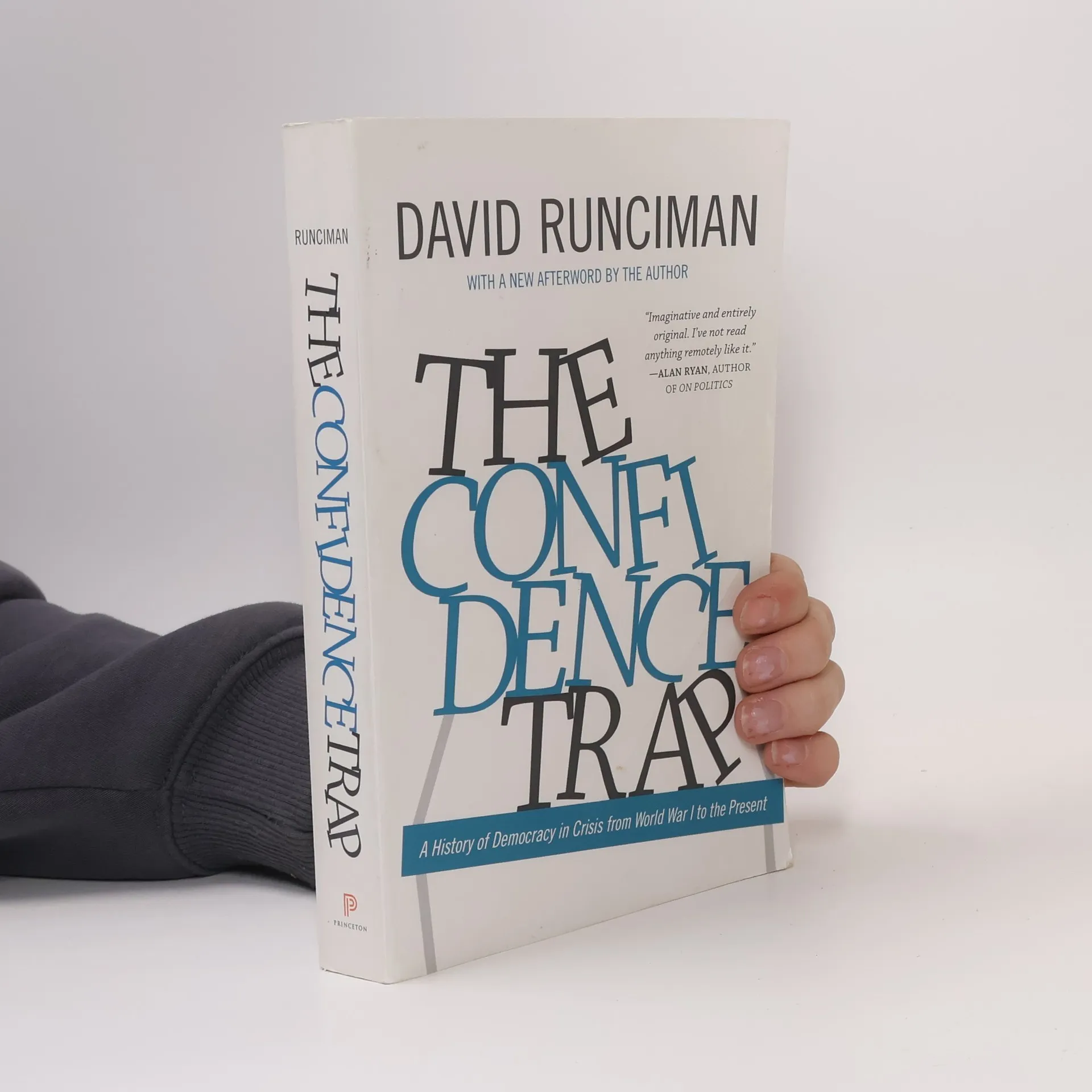
The Confidence Trap
A History of Democracy in Crisis from World War I to the Present - Updated Edition
Autorzy
Ocena książki
Parametry
- 416 stron
- 15 godzin czytania
Więcej o książce
Why do democracies oscillate between success and failure? The current financial crisis exemplifies how things can go awry just when they seem to be improving. In this compelling exploration, David Runciman chronicles modern democracy through key moments of crisis, from World War I to the 2008 economic crash. With a global perspective, particularly on the United States, the narrative examines how democracy has endured various threats, including the Great Depression, the Cuban missile crisis, Watergate, and the Lehman Brothers collapse. It also delves into the confusion stemming from unexpected victories, such as the fall of German autocracy in 1918 and the end of communism in 1989. The book highlights the politicians and thinkers who faced these challenges, including Woodrow Wilson, Nehru, Adenauer, Fukuyama, and Obama. Runciman argues that while democracies are adept at recovering from emergencies, they struggle to prevent them. The recurring lesson learned is that democracies can survive crises, leading to complacency rather than wisdom. This confidence trap fosters the dangerous notion that democracies can navigate any challenge, potentially setting the stage for an insurmountable crisis.


Zakup książki
The Confidence Trap, David Runciman, Alan Ryan
- Język

- Rok wydania
- 2015
- Oprawa
- (miękka)
Metody płatności
Brakuje nam tutaj Twojej recenzji.
- Tytuł
- The Confidence Trap
- Podtytuł
- A History of Democracy in Crisis from World War I to the Present - Updated Edition
- Język
- angielski
- Autorzy
- David Runciman, Alan Ryan
- Wydawca
- Princeton University Press
- Rok wydania
- 2015
- Oprawa
- miękka
- Liczba stron
- 416
- ISBN10
- 0691165831
- ISBN13
- 9780691165837
- Seria
- Kategorie
- Tagi
- Tematy historyczne, Polityka, USA, XX wiek, Historia Europy, Teorie polityczne, XXI wiek, Demokracja, Historia polityczna, Polityka Światowa
- Ocena
- 3,8 z 5
- Opis
- Why do democracies oscillate between success and failure? The current financial crisis exemplifies how things can go awry just when they seem to be improving. In this compelling exploration, David Runciman chronicles modern democracy through key moments of crisis, from World War I to the 2008 economic crash. With a global perspective, particularly on the United States, the narrative examines how democracy has endured various threats, including the Great Depression, the Cuban missile crisis, Watergate, and the Lehman Brothers collapse. It also delves into the confusion stemming from unexpected victories, such as the fall of German autocracy in 1918 and the end of communism in 1989. The book highlights the politicians and thinkers who faced these challenges, including Woodrow Wilson, Nehru, Adenauer, Fukuyama, and Obama. Runciman argues that while democracies are adept at recovering from emergencies, they struggle to prevent them. The recurring lesson learned is that democracies can survive crises, leading to complacency rather than wisdom. This confidence trap fosters the dangerous notion that democracies can navigate any challenge, potentially setting the stage for an insurmountable crisis.