


Więcej o książce
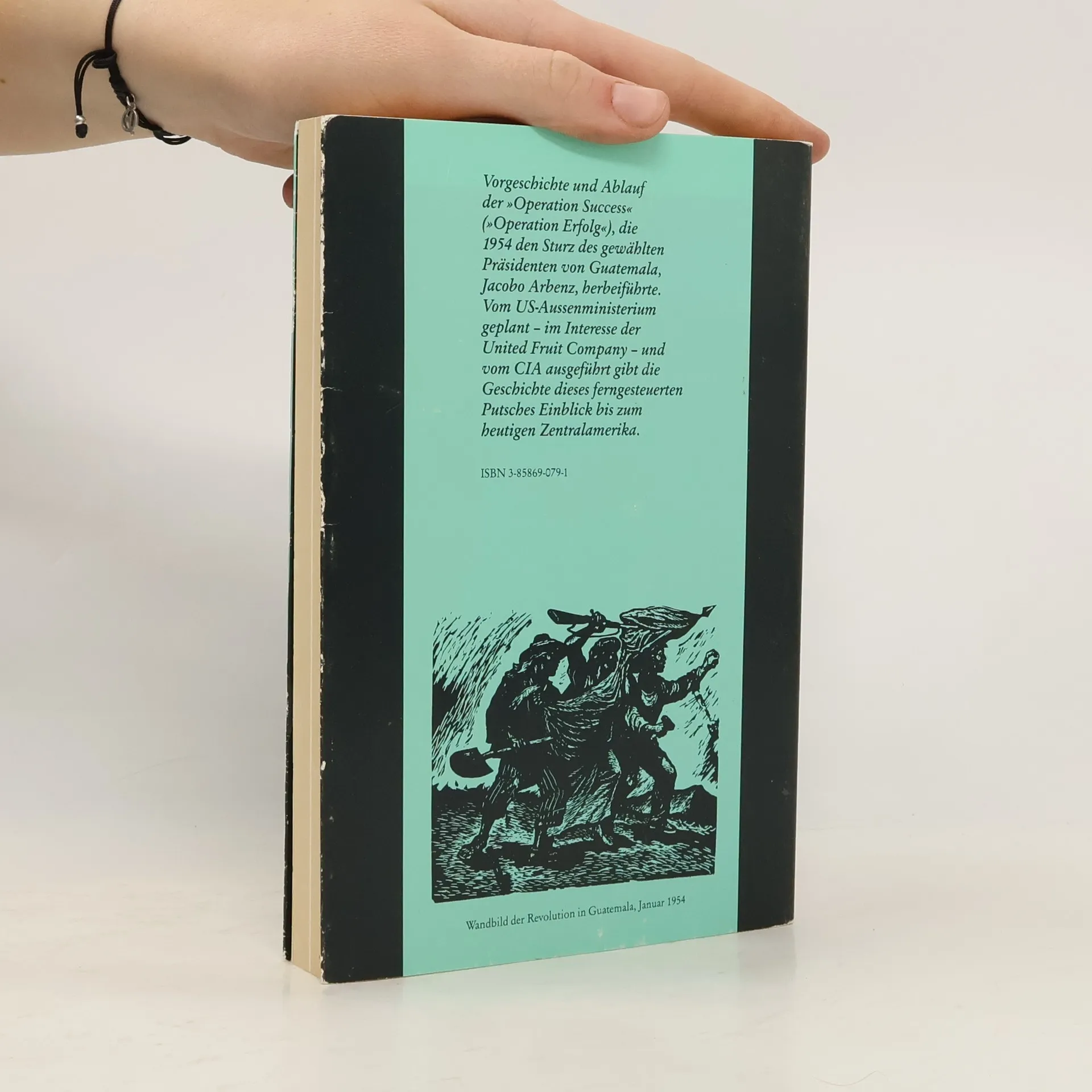
BITTER FRUIT explores the CIA's covert operations to overthrow Guatemala's democratically elected president, Jacobo Arbenz, in 1954. Arbenz's administration aimed to implement land reforms to alleviate poverty and enfranchise citizens, shaking off the remnants of a previous dictatorship. The title refers to the United Fruit Company (UFC), an American corporation with substantial land holdings in Guatemala, which exerted considerable influence over the U.S. government, particularly during Eisenhower's administration. When Arbenz nationalized UFC land—much of which was uncultivated and claimed as a reserve—the company lobbied Washington, invoking fears of communism. Eisenhower authorized operations to replace Arbenz with a military junta. Ironically, Guatemala's democratic aspirations in the '40s were inspired by FDR's vision of universal rights. The book also discusses Edward Bernays, Freud's nephew and a pioneering PR practitioner, who helped shape public sentiment against Arbenz. Following the coup, the U.S. government, concerned about perceptions of collusion with UFC, initiated an anti-trust suit against the company. Ultimately, a 1998 report revealed the tragic consequences of the coup: 150,000 deaths and 50,000 disappearances, primarily caused by government forces. This well-researched account is both disturbing and compelling, shedding light on a significant moment in U.S.-Guatemalan history.

Zakup książki
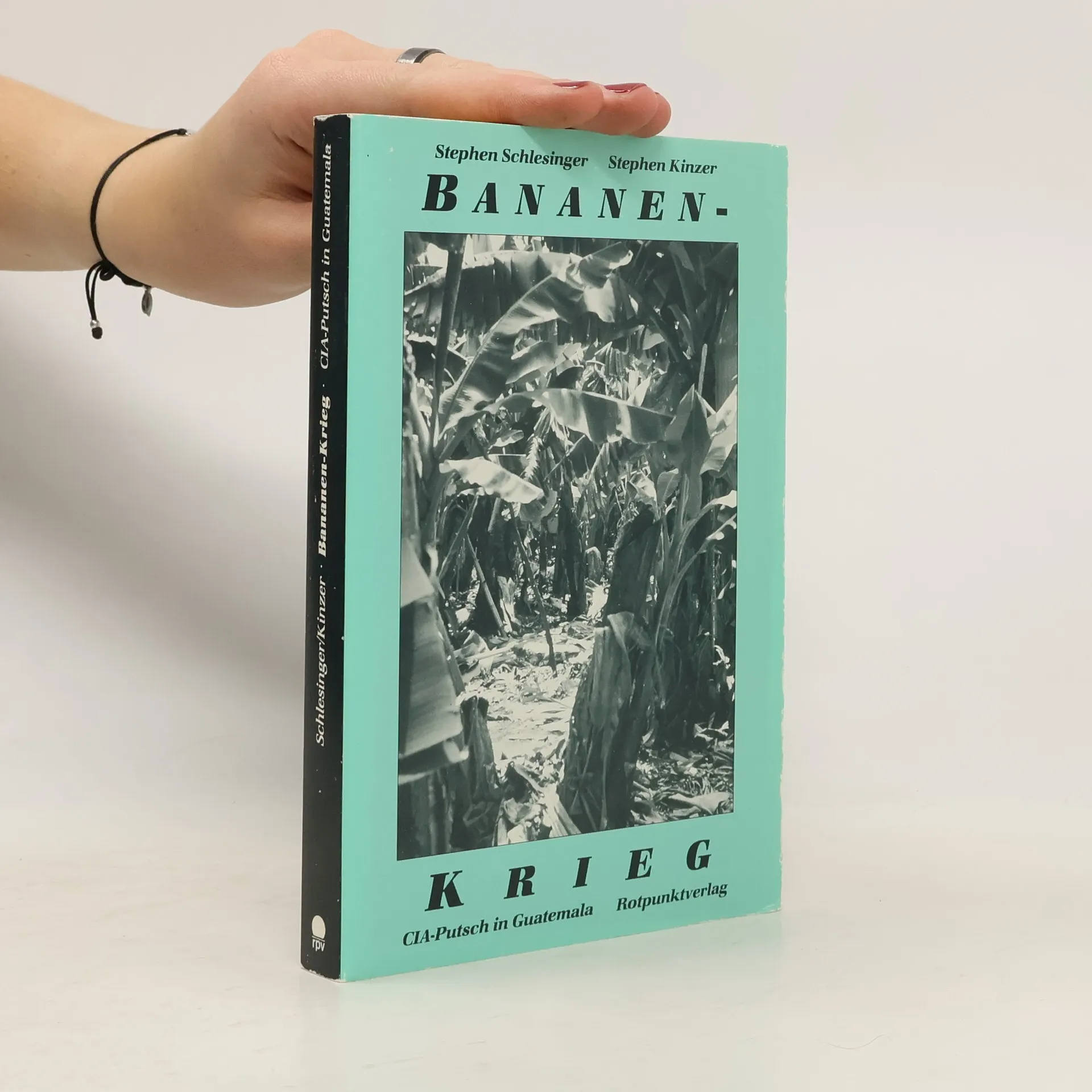
Bananen-Krieg, Stephen C. Schlesinger, Stephen Kinzer
- Język

- Rok wydania
- 1992
- Oprawa
- (miękka)
Metody płatności
Brakuje nam tutaj Twojej recenzji.
- Tytuł
- Bananen-Krieg
- Podtytuł
- CIA-Putsch in Guatemala
- Język
- niemiecki
- Autorzy
- Stephen C. Schlesinger, Stephen Kinzer
- Wydawca
- Rotpunktverlag
- Rok wydania
- 1992
- Oprawa
- miękka
- Liczba stron
- 288
- ISBN10
- 3858690791
- ISBN13
- 9783858690791
- Seria
- Kategorie
- Tagi
- Tematy historyczne, Polityka, USA, Wojny, Historia USA
- Oryginalna nazwa
- Bitter fruit
- Ocena
- 4,4 z 5
- Opis
- BITTER FRUIT explores the CIA's covert operations to overthrow Guatemala's democratically elected president, Jacobo Arbenz, in 1954. Arbenz's administration aimed to implement land reforms to alleviate poverty and enfranchise citizens, shaking off the remnants of a previous dictatorship. The title refers to the United Fruit Company (UFC), an American corporation with substantial land holdings in Guatemala, which exerted considerable influence over the U.S. government, particularly during Eisenhower's administration. When Arbenz nationalized UFC land—much of which was uncultivated and claimed as a reserve—the company lobbied Washington, invoking fears of communism. Eisenhower authorized operations to replace Arbenz with a military junta. Ironically, Guatemala's democratic aspirations in the '40s were inspired by FDR's vision of universal rights. The book also discusses Edward Bernays, Freud's nephew and a pioneering PR practitioner, who helped shape public sentiment against Arbenz. Following the coup, the U.S. government, concerned about perceptions of collusion with UFC, initiated an anti-trust suit against the company. Ultimately, a 1998 report revealed the tragic consequences of the coup: 150,000 deaths and 50,000 disappearances, primarily caused by government forces. This well-researched account is both disturbing and compelling, shedding light on a significant moment in U.S.-Guatemalan history.