

Parametry
- 508 stron
- 18 godzin czytania
Więcej o książce
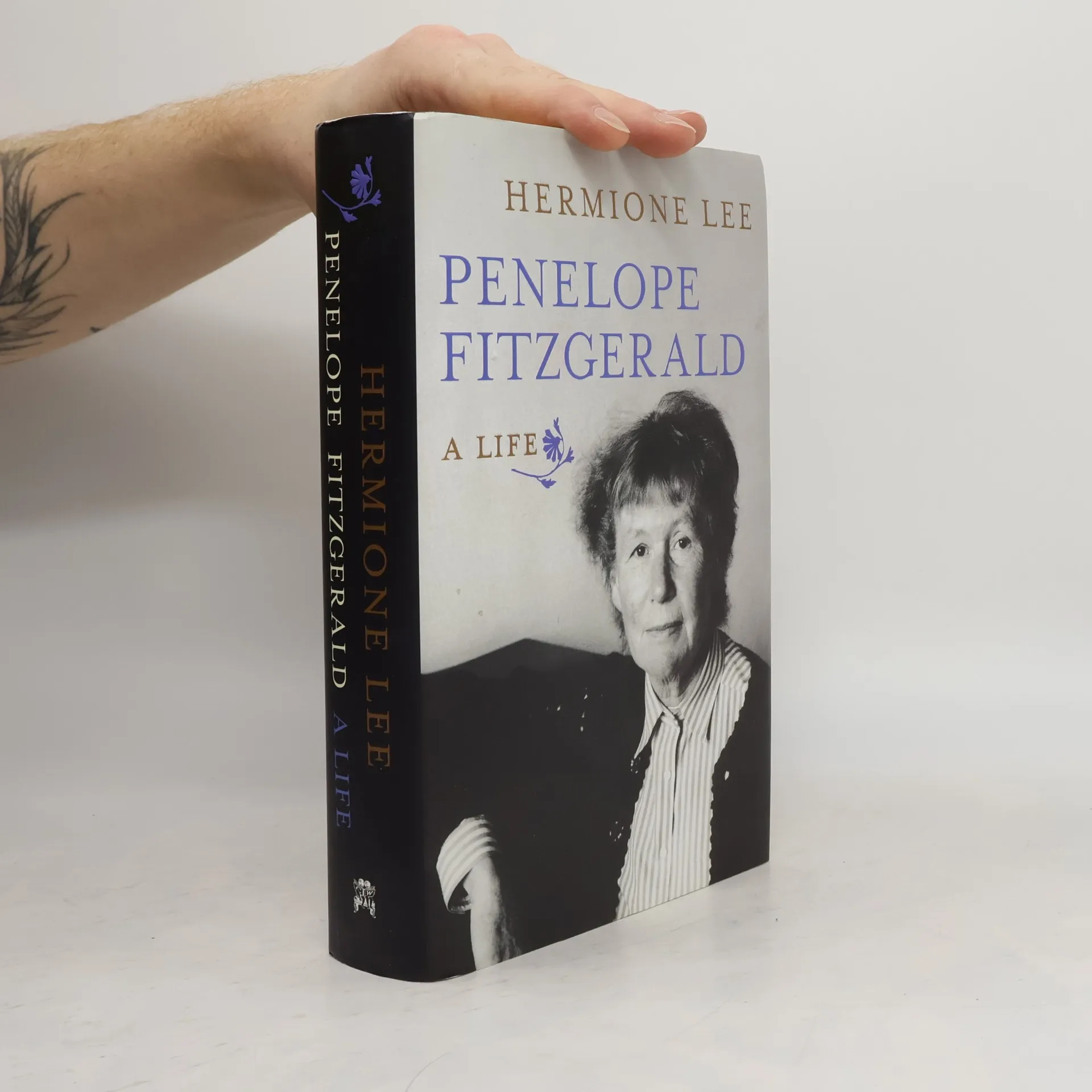
Penelope Fitzgerald (1916–2000) was an exceptional English writer who would never have claimed such accolades for herself. Her novels, characterized by their brevity and subtlety, earned her the Booker Prize for Offshore in 1979, while her final work, The Blue Flower, was hailed as genius. Her early novels drew from personal experiences, including life on a Thames boat in the 1960s, the BBC during wartime, a struggling bookshop in Suffolk, and an eccentric stage school. In contrast, her later works explored historical settings, such as pre-Revolution Russia, post-war Italy, and Romantic-era Germany, showcasing her remarkable ability to inhabit these worlds. Fitzgerald's life mirrored the complexity of her fiction, spanning much of the twentieth century and encompassing a range of experiences—from living in a Bishop's Palace to enduring poverty on a sinking barge. She transitioned from teaching to literary acclaim, first being published at sixty and gaining fame at eighty. Her story is one of perseverance and quiet heroism. Despite her popularity and recognition as a leading novelist, she remained enigmatic, often presenting herself as an absent-minded old lady while possessing a keen intellect and expansive imagination. This insightful biography, penned by a writer Fitzgerald admired, delves into her life, work, and hidden depths with compelling fascination.
Wydanie

Zakup książki
Penelope Fitzgerald, Hermione Lee
- Język

- Rok wydania
- 2013
- Oprawa
- (twarda)
Metody płatności
Brakuje nam tutaj Twojej recenzji.
- Tytuł
- Penelope Fitzgerald
- Podtytuł
- A Life
- Język
- angielski
- Autorzy
- Hermione Lee
- Wydawca
- Chatto&Windus
- Rok wydania
- 2013
- Oprawa
- twarda
- Liczba stron
- 508
- ISBN10
- 0701184957
- ISBN13
- 9780701184957
- Seria
- Kategorie
- Tagi
- Tematy historyczne, Sztuka, Sport, Rodzina, Kobiety, Teatr, XX wiek, Edukacja & Szkolnictwo, Tematyka filmowa, Literatura angielska, Dziennikarstwo & Publicystyka, Krytyka literacka, Pisanie, Listy, Modernizm
- Ocena
- 4,55 z 5
- Opis
- Penelope Fitzgerald (1916–2000) was an exceptional English writer who would never have claimed such accolades for herself. Her novels, characterized by their brevity and subtlety, earned her the Booker Prize for Offshore in 1979, while her final work, The Blue Flower, was hailed as genius. Her early novels drew from personal experiences, including life on a Thames boat in the 1960s, the BBC during wartime, a struggling bookshop in Suffolk, and an eccentric stage school. In contrast, her later works explored historical settings, such as pre-Revolution Russia, post-war Italy, and Romantic-era Germany, showcasing her remarkable ability to inhabit these worlds. Fitzgerald's life mirrored the complexity of her fiction, spanning much of the twentieth century and encompassing a range of experiences—from living in a Bishop's Palace to enduring poverty on a sinking barge. She transitioned from teaching to literary acclaim, first being published at sixty and gaining fame at eighty. Her story is one of perseverance and quiet heroism. Despite her popularity and recognition as a leading novelist, she remained enigmatic, often presenting herself as an absent-minded old lady while possessing a keen intellect and expansive imagination. This insightful biography, penned by a writer Fitzgerald admired, delves into her life, work, and hidden depths with compelling fascination.