

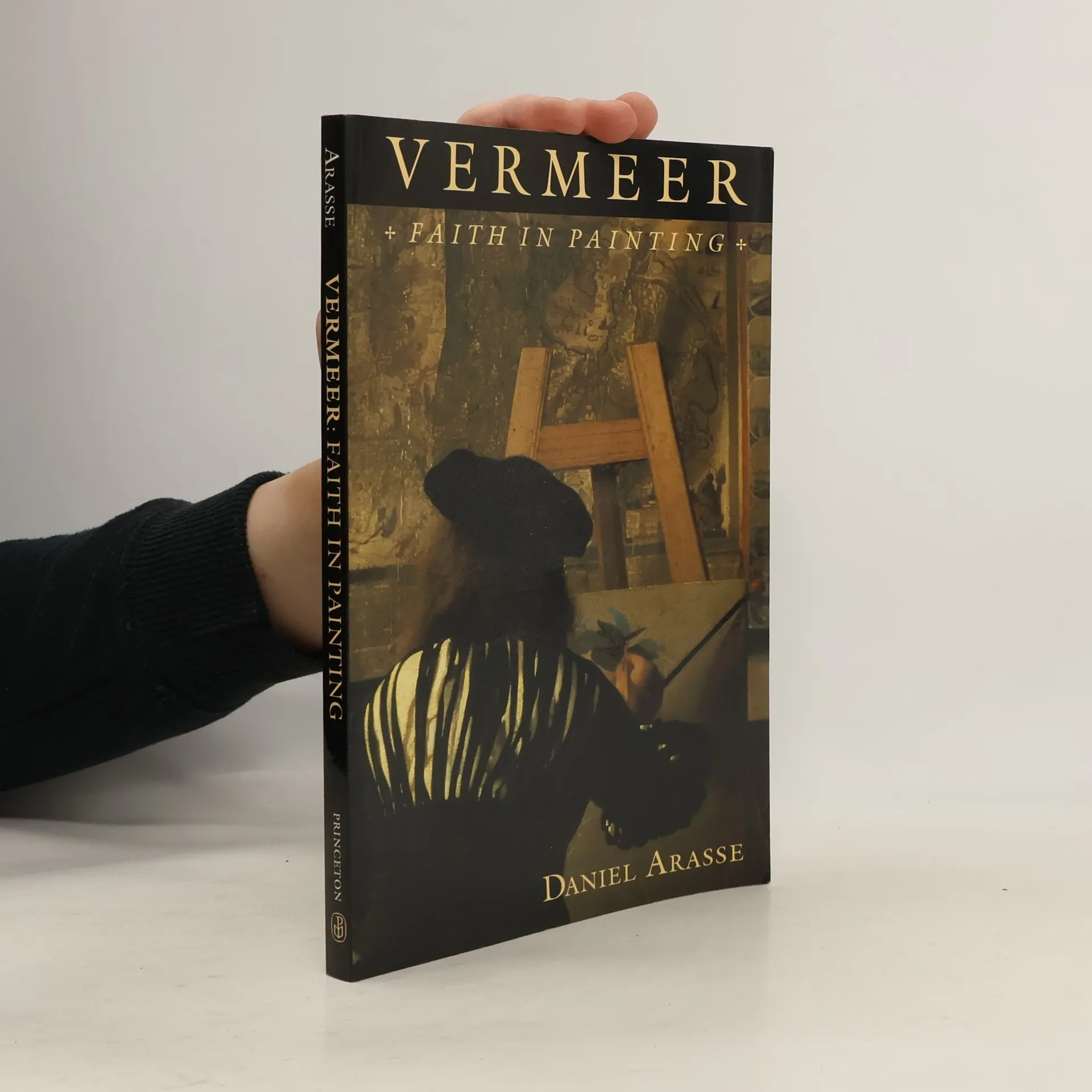
Więcej o książce
Through a historical analysis of Vermeer's production methods and a close reading of his art, Daniel Arasse explores the originality of this artist within seventeenth-century Dutch painting. He argues that Vermeer was not a conventional painter like his Dutch contemporaries, but rather engaged in a personal and ambitious effort to redefine pictorial practice within the classical tradition. Arasse finds that Vermeer’s approach to image-making reveals painting as a medium through which viewers sense the elusive and mysterious presence of life. This concept not only continues the traditions of Classical Antiquity and the High Renaissance but also connects to Catholic ideas about spiritual meditation and the power of images. Although Vermeer often employs secular subject matter common among his peers, his treatment of iconography, light, and line significantly differs. Iconographical elements in his works tend to hold meaning in suspense rather than clarify; dazzling light emanates from interior objects, and sfumato evokes the presence of objects without direct depiction. By discussing these features, Arasse identifies Vermeer’s genius in the reflexive, meditative quality of his works, each of which appears to be a painting about painting itself.

Zakup książki
Vermeer, Daniel Arasse, Terry Grabar
- Język

- Rok wydania
- 1996
- Oprawa
- (miękka)
Metody płatności
Brakuje nam tutaj Twojej recenzji.
- Tytuł
- Vermeer
- Język
- angielski
- Autorzy
- Daniel Arasse, Terry Grabar
- Wydawca
- Princeton University Press
- Rok wydania
- 1996
- Oprawa
- miękka
- Liczba stron
- 208
- ISBN10
- 069102930X
- ISBN13
- 9780691029306
- Seria
- Tagi
- Sztuka, Historia sztuki
- Ocena
- 4 z 5
- Opis
- Through a historical analysis of Vermeer's production methods and a close reading of his art, Daniel Arasse explores the originality of this artist within seventeenth-century Dutch painting. He argues that Vermeer was not a conventional painter like his Dutch contemporaries, but rather engaged in a personal and ambitious effort to redefine pictorial practice within the classical tradition. Arasse finds that Vermeer’s approach to image-making reveals painting as a medium through which viewers sense the elusive and mysterious presence of life. This concept not only continues the traditions of Classical Antiquity and the High Renaissance but also connects to Catholic ideas about spiritual meditation and the power of images. Although Vermeer often employs secular subject matter common among his peers, his treatment of iconography, light, and line significantly differs. Iconographical elements in his works tend to hold meaning in suspense rather than clarify; dazzling light emanates from interior objects, and sfumato evokes the presence of objects without direct depiction. By discussing these features, Arasse identifies Vermeer’s genius in the reflexive, meditative quality of his works, each of which appears to be a painting about painting itself.