

Więcej o książce
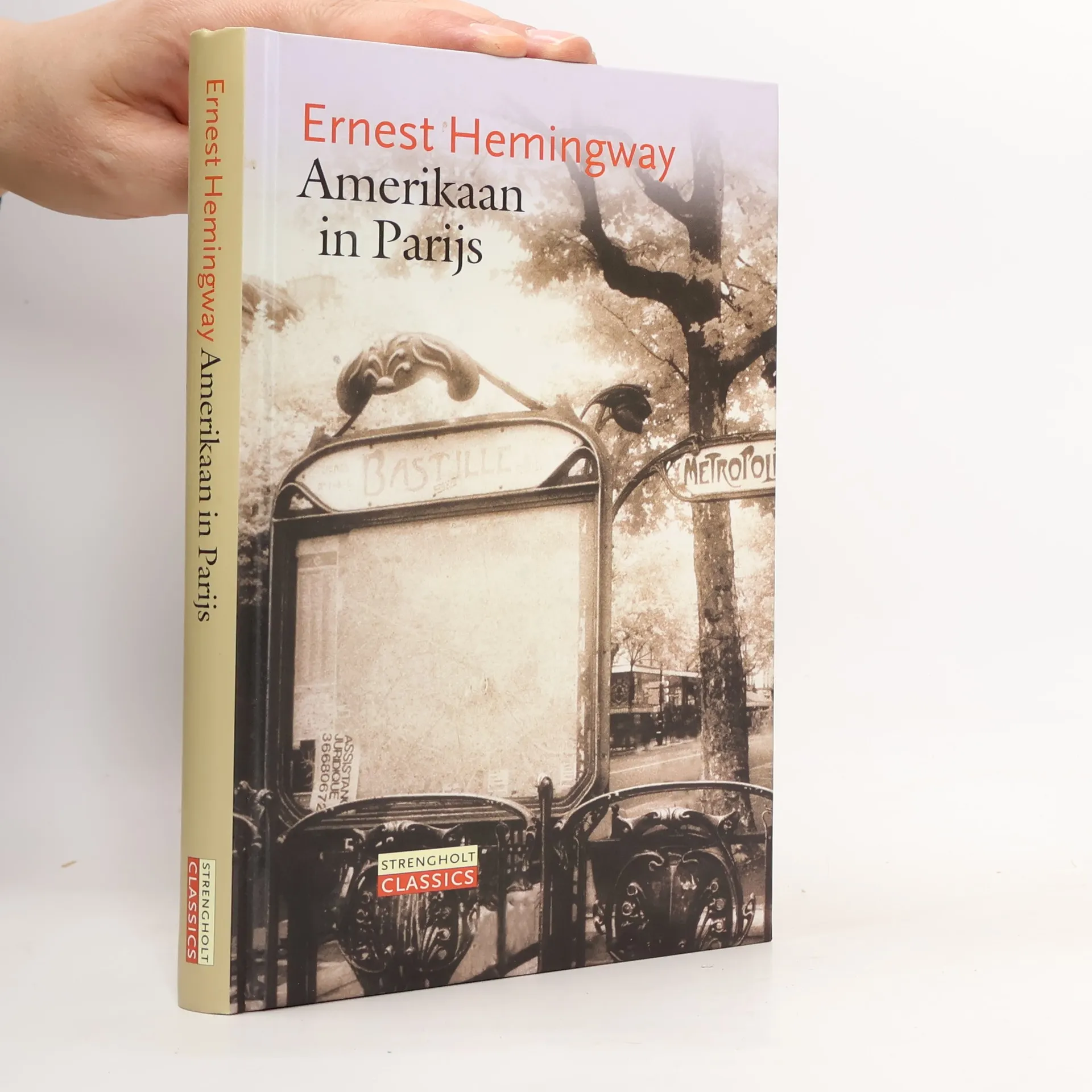
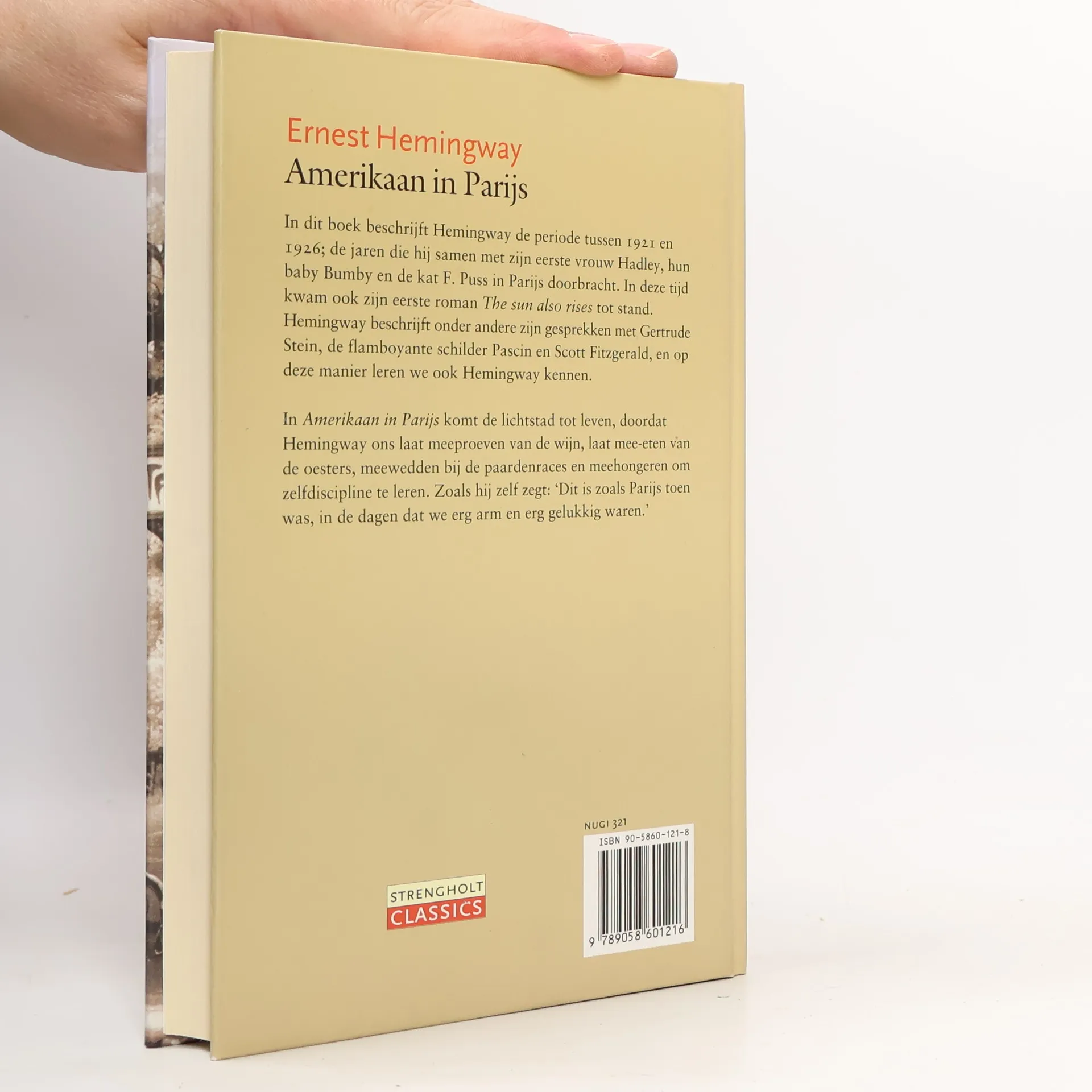
Begun in the autumn of 1957 and published posthumously in 1964, this work captures the essence of being young, poor, and writing in Paris during the 1920s. Arriving in Paris in 1921 as a correspondent for the Toronto Star, Hemingway found himself amidst a cultural transformation following the Great War. The era was marked by the innovations of Braque and Picasso in cubism, Joyce's completion of Ulysses, and Stein's influential gatherings at 27 Rue de Fleurus, where she recognized Hemingway as part of a lost generation. During these formative years, he collected material for his first novel, The Sun Also Rises, and the masterpieces that followed. The narrative features poignant sketches of his eclectic circle of artists and writers, some destined for fame while others faded into obscurity. It also vividly evokes the Paris that shaped him—a map of streets, cafes, and bookshops where he, often battling cold and hunger, refined his craft. This work serves as both an elegy to the vibrant expatriate community of the twenties and a reflection on the trials and triumphs of the writing life.


Zakup książki
Strengholt Classics: Amerikaan in Parijs, Ernest Hemingway
- Język

- Rok wydania
- 2001
- Oprawa
- (twarda)
Metody płatności
Brakuje nam tutaj Twojej recenzji.
- Tytuł
- Strengholt Classics: Amerikaan in Parijs
- Język
- holenderski
- Autorzy
- Ernest Hemingway
- Wydawca
- Strengholt Classics
- Rok wydania
- 2001
- Oprawa
- twarda
- Liczba stron
- 192
- ISBN10
- 9058601218
- ISBN13
- 9789058601216
- Seria
- Kategorie
- Ocena
- 4,05 z 5
- Opis
- Begun in the autumn of 1957 and published posthumously in 1964, this work captures the essence of being young, poor, and writing in Paris during the 1920s. Arriving in Paris in 1921 as a correspondent for the Toronto Star, Hemingway found himself amidst a cultural transformation following the Great War. The era was marked by the innovations of Braque and Picasso in cubism, Joyce's completion of Ulysses, and Stein's influential gatherings at 27 Rue de Fleurus, where she recognized Hemingway as part of a lost generation. During these formative years, he collected material for his first novel, The Sun Also Rises, and the masterpieces that followed. The narrative features poignant sketches of his eclectic circle of artists and writers, some destined for fame while others faded into obscurity. It also vividly evokes the Paris that shaped him—a map of streets, cafes, and bookshops where he, often battling cold and hunger, refined his craft. This work serves as both an elegy to the vibrant expatriate community of the twenties and a reflection on the trials and triumphs of the writing life.