


Więcej o książce
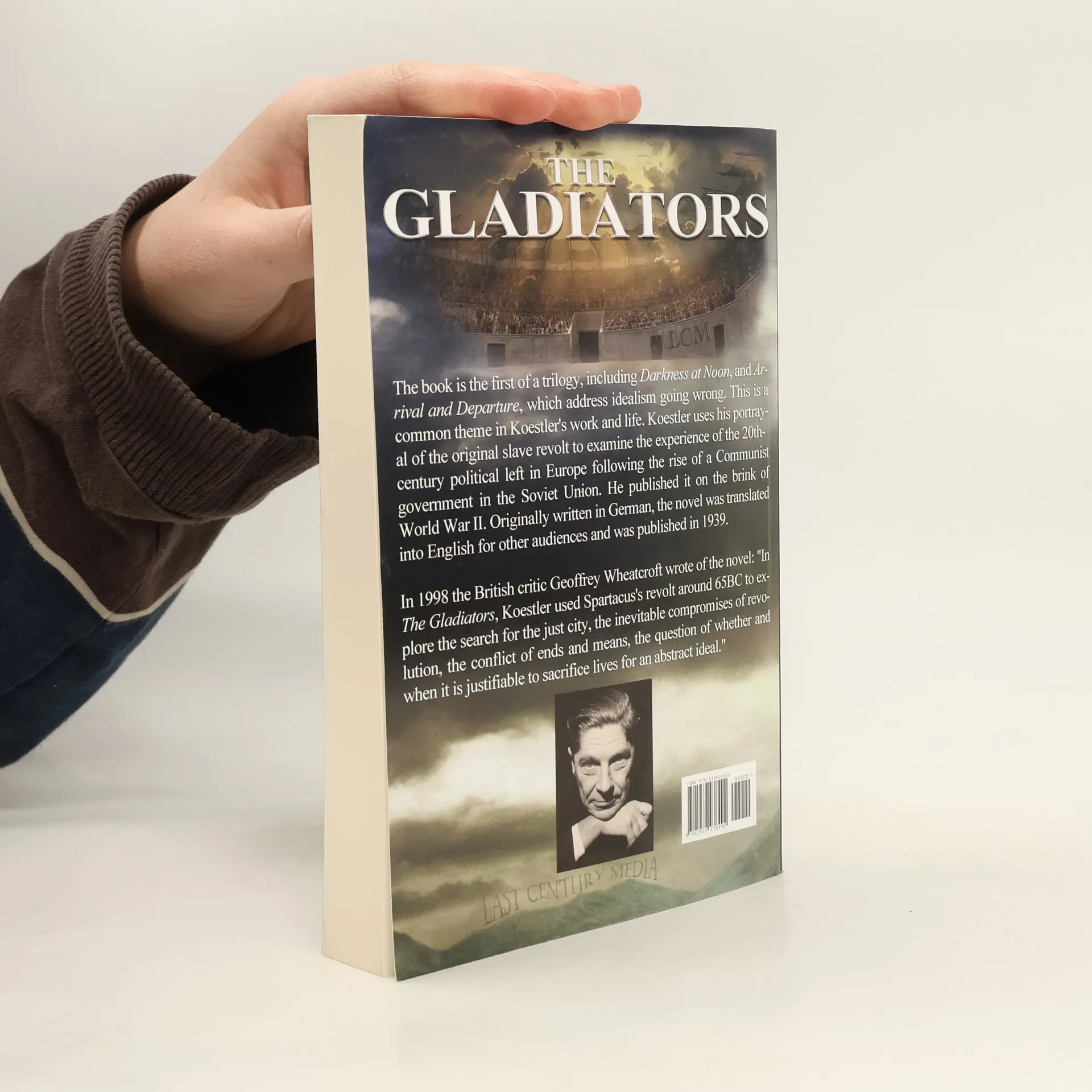
The book is the first of a trilogy, including Darkness at Noon , and Arrival and Departure , which address idealism going wrong. This is a common theme in Koestler's work and life. Koestler uses his portrayal of the original slave revolt to examine the experience of the 20thcentury political left in Europe following the rise of a Communist government in the Soviet Union. He published it on the brink of World War II. Originally written in German, the novel was translated into English for other audiences and was published in 1939. In 1998 the British critic Geoffrey Wheatcroft wrote of the novel: "In The Gladiators , Koestler used Spartacus's revolt around 65BC to explore the search for the just city, the inevitable compromises of revolution, the conflict of ends and means, the question of whether and when it is justifiable to sacrifice lives for an abstract ideal.


Zakup książki
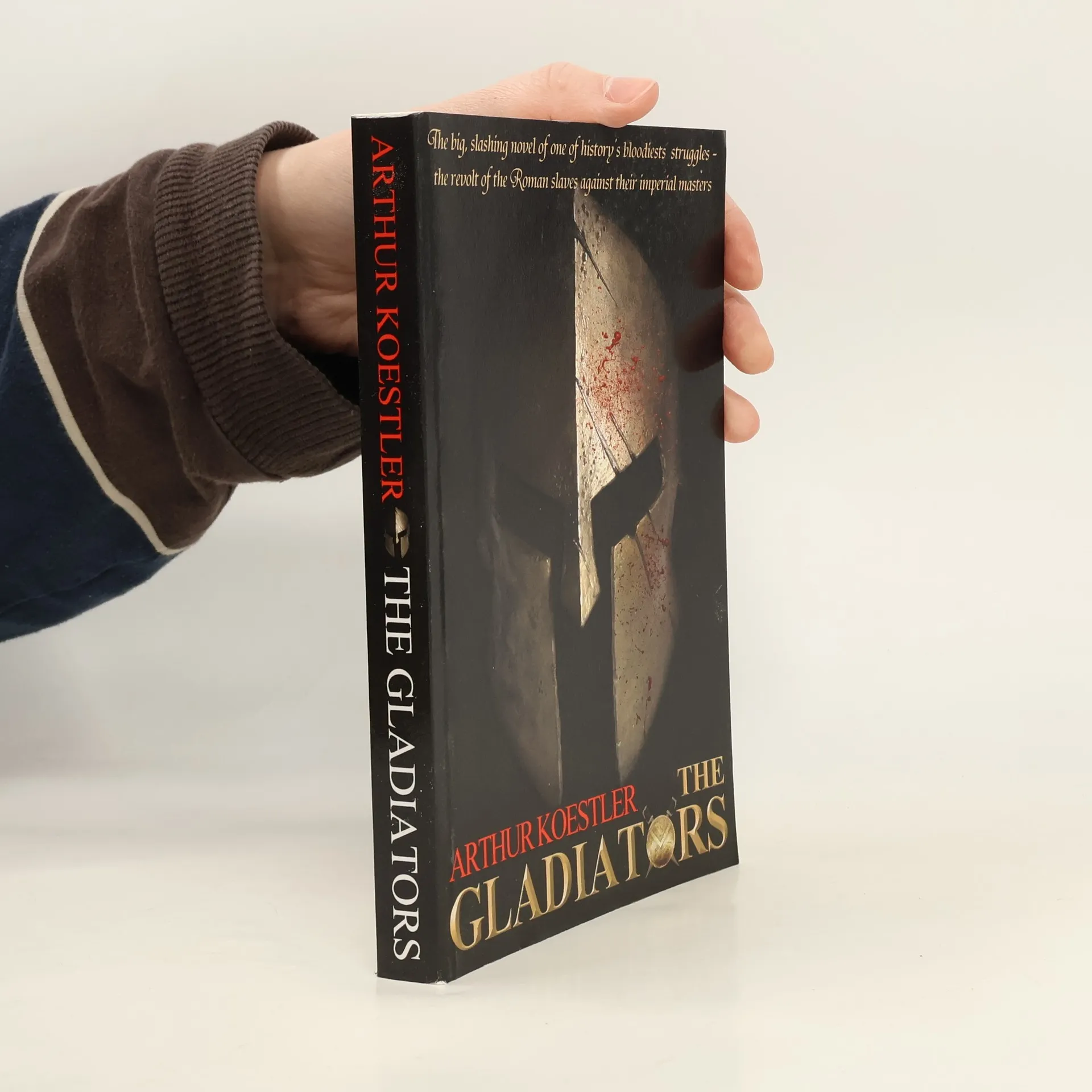
The Gladiators, Arthur Koestler
- Język

- Rok wydania
- 1981
- Oprawa
- (miękka)
Metody płatności
Brakuje nam tutaj Twojej recenzji.
- Tytuł
- The Gladiators
- Język
- angielski
- Autorzy
- Arthur Koestler
- Wydawca
- One 70 Press
- Rok wydania
- 1981
- Oprawa
- miękka
- Liczba stron
- 322
- ISBN10
- 1939438497
- ISBN13
- 9781939438492
- Seria
- Oryginalna nazwa
- The gladiators
- Ocena
- 4,1 z 5
- Opis
- The book is the first of a trilogy, including Darkness at Noon , and Arrival and Departure , which address idealism going wrong. This is a common theme in Koestler's work and life. Koestler uses his portrayal of the original slave revolt to examine the experience of the 20thcentury political left in Europe following the rise of a Communist government in the Soviet Union. He published it on the brink of World War II. Originally written in German, the novel was translated into English for other audiences and was published in 1939. In 1998 the British critic Geoffrey Wheatcroft wrote of the novel: "In The Gladiators , Koestler used Spartacus's revolt around 65BC to explore the search for the just city, the inevitable compromises of revolution, the conflict of ends and means, the question of whether and when it is justifiable to sacrifice lives for an abstract ideal.