

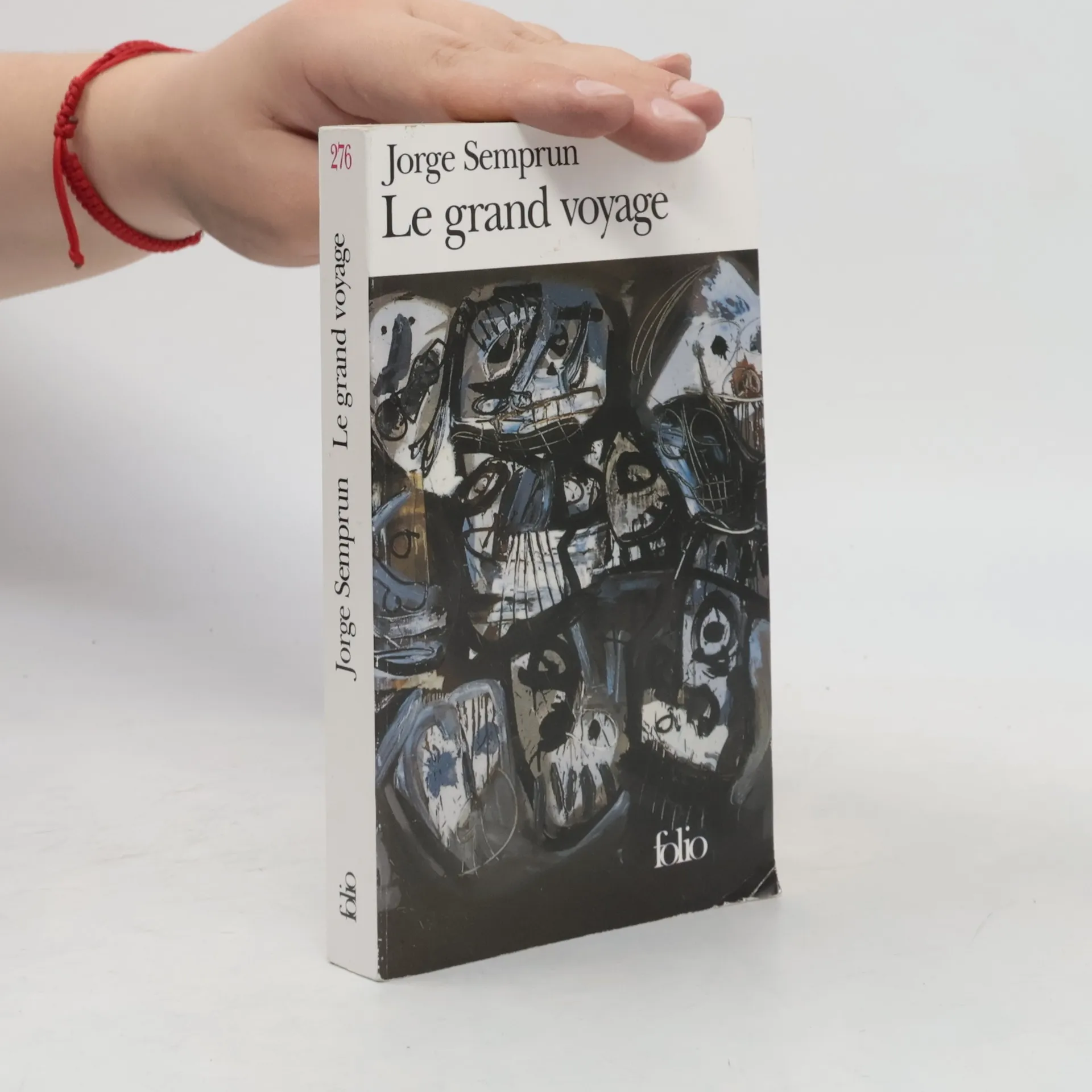
Więcej o książce
«Il y a cet entassement des corps dans le wagon, cette lancinante douleur dans le genou droit. Les jours, les nuits. Je fais un effort et j'essaye de compter les jours, de compter les nuits. Ça m'aidera peut-être à y voir clair. Quatre jours, cinq nuits. Mais j'ai du mal à compter ou alors il y a des jours qui se sont changés en nuits. J'ai des nuits en trop ; des nuits à revendre. Un matin, c'est sûr, c'est un matin que ce voyage a commencé...» Gasping for breath in a cattle truck occupied by 119 other men, a young Spaniard captured fighting with the French Resistance counts off the days and nights as the train rolls slowly but inexorably toward Buchenwald. On the five seemingly endless days of the journey, he has conversations that send him into daydreams about his childhood or set him fighting Resistance battles over again. He describes the temporary holding prison where the names of distant concentration camps are spoken of in whispers - their individual horrors discussed, rated, contemplated. In chilling detail, the trip with those 119 men - some fearful, some defiant - is evoked, along with his own confusion, anger, and bitter resignation. When at last the fantastic, Wagnerian gates to Buchenwald come into sight, the young Spaniard is left alone to face the camp.


Zakup książki
Le grand voyage, Jorge Semprún
- Język

- Rok wydania
- 1972
- Oprawa
- (miękka)
Metody płatności
Brakuje nam tutaj Twojej recenzji.
- Tytuł
- Le grand voyage
- Język
- francuski
- Autorzy
- Jorge Semprún
- Wydawca
- Flammarion
- Rok wydania
- 1972
- Oprawa
- miękka
- Liczba stron
- 280
- ISBN10
- 2070362760
- ISBN13
- 9782070362769
- Seria
- Kategorie
- Tagi
- Tematy historyczne, Francja, II Wojna Światowa, Śmierć, Żydzi, Hiszpania, Holokaust, Przetrwanie, Obozy koncentracyjne, Opór, Podziemie
- Oryginalna nazwa
- Le grand voyage
- Ocena
- 4,15 z 5
- Opis
- «Il y a cet entassement des corps dans le wagon, cette lancinante douleur dans le genou droit. Les jours, les nuits. Je fais un effort et j'essaye de compter les jours, de compter les nuits. Ça m'aidera peut-être à y voir clair. Quatre jours, cinq nuits. Mais j'ai du mal à compter ou alors il y a des jours qui se sont changés en nuits. J'ai des nuits en trop ; des nuits à revendre. Un matin, c'est sûr, c'est un matin que ce voyage a commencé...» Gasping for breath in a cattle truck occupied by 119 other men, a young Spaniard captured fighting with the French Resistance counts off the days and nights as the train rolls slowly but inexorably toward Buchenwald. On the five seemingly endless days of the journey, he has conversations that send him into daydreams about his childhood or set him fighting Resistance battles over again. He describes the temporary holding prison where the names of distant concentration camps are spoken of in whispers - their individual horrors discussed, rated, contemplated. In chilling detail, the trip with those 119 men - some fearful, some defiant - is evoked, along with his own confusion, anger, and bitter resignation. When at last the fantastic, Wagnerian gates to Buchenwald come into sight, the young Spaniard is left alone to face the camp.