

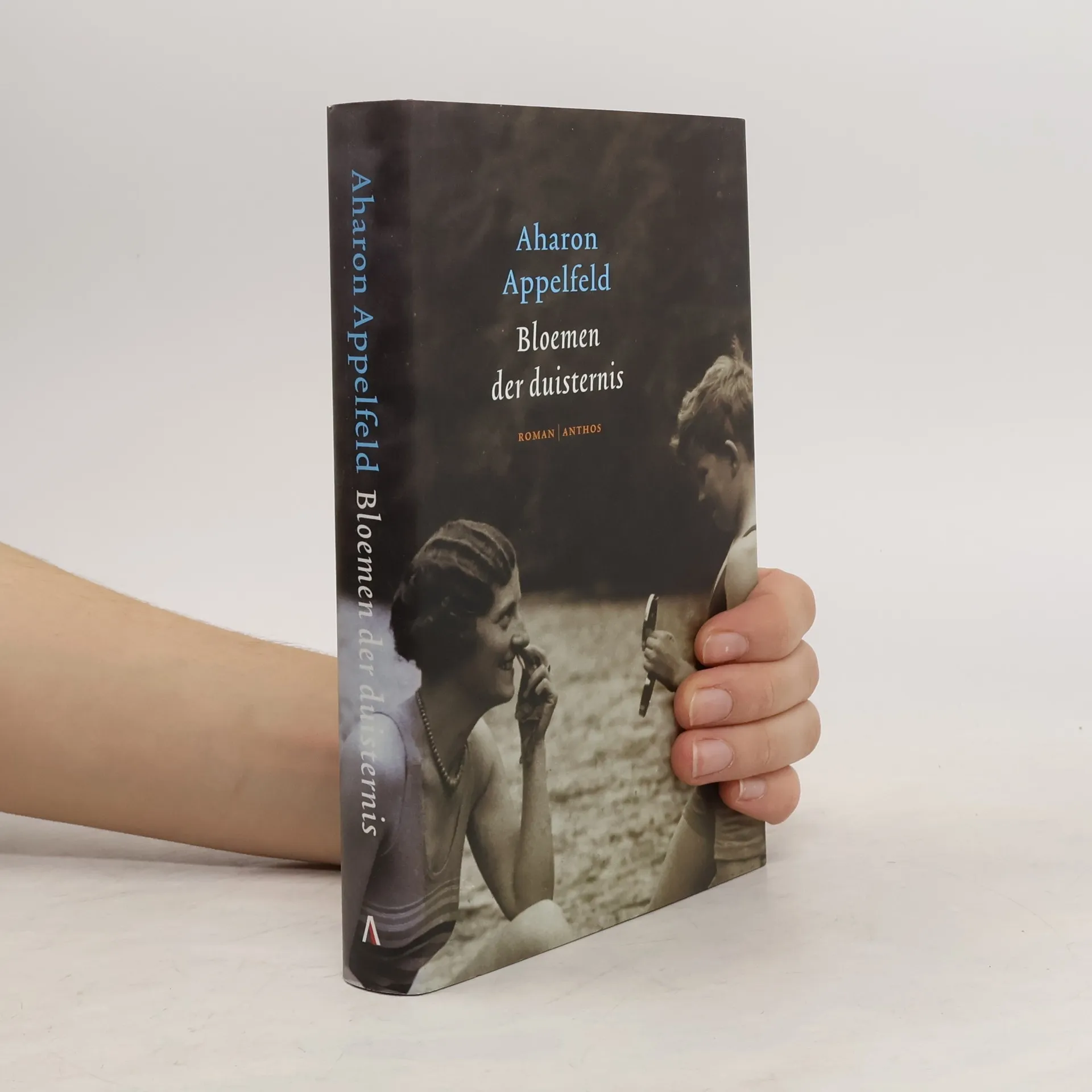

Parametry
- 263 strony
- 10 godzin czytania
Więcej o książce
A new novel from an acclaimed Israeli writer presents a haunting tale of love and loss set against the backdrop of the Holocaust. In a ghetto being liquidated by the Nazis, eleven-year-old Hugo is taken by his mother to a local brothel for refuge. There, he encounters Mariana, a deeply unhappy prostitute who resents her life choices. Night after night, Hugo listens to her anguished rants against the Nazi soldiers. Despite her bitterness, Mariana becomes fiercely protective of the bewildered boy, while Hugo, in turn, tries to lift her spirits, offering comfort during her moments of despair. As memories of his family fade, Hugo develops a deep affection for Mariana, who, in her own turmoil, seeks solace in the boy on the brink of adulthood. When the Russian army arrives, the prostitutes flee, but Mariana, known to the Germans, is arrested as a collaborator. As the story unfolds towards its poignant conclusion, the author masterfully explores themes of tragedy, resilience, and the essence of humanity. **Winner of the 2012 Independent Foreign Fiction Prize**


Zakup książki
Bloemen der duisternis, Kees Meiling, Aharon Appelfeld
- Język

- Rok wydania
- 2009
- Oprawa
- (twarda)
Metody płatności
Brakuje nam tutaj Twojej recenzji.
- Tytuł
- Bloemen der duisternis
- Język
- holenderski
- Autorzy
- Kees Meiling, Aharon Appelfeld
- Wydawca
- Anthos
- Rok wydania
- 2009
- Oprawa
- twarda
- Liczba stron
- 263
- ISBN10
- 9041414096
- ISBN13
- 9789041414090
- Seria
- Kategorie
- Tagi
- Tematy historyczne, Fikcja wojenna, Wojny, II Wojna Światowa, Europa, Wiara, Tajemnice, Żydzi, Młodzież, Holokaust, Dzieciństwo, Literatura Żydowska, Izrael, Trzeci Rzesza (1933-1945), Prostytucja, Ukraina, Chłopcy, Zakazana miłość, Alkoholizm, Europa Wschodnia, Prześladowanie Żydów, Getto, Literatura izraelska
- Pierwsze wydanie
- 2012
- Oryginalna nazwa
- Pirchej ha-afela
- Ocena
- 3,6 z 5
- Opis
- A new novel from an acclaimed Israeli writer presents a haunting tale of love and loss set against the backdrop of the Holocaust. In a ghetto being liquidated by the Nazis, eleven-year-old Hugo is taken by his mother to a local brothel for refuge. There, he encounters Mariana, a deeply unhappy prostitute who resents her life choices. Night after night, Hugo listens to her anguished rants against the Nazi soldiers. Despite her bitterness, Mariana becomes fiercely protective of the bewildered boy, while Hugo, in turn, tries to lift her spirits, offering comfort during her moments of despair. As memories of his family fade, Hugo develops a deep affection for Mariana, who, in her own turmoil, seeks solace in the boy on the brink of adulthood. When the Russian army arrives, the prostitutes flee, but Mariana, known to the Germans, is arrested as a collaborator. As the story unfolds towards its poignant conclusion, the author masterfully explores themes of tragedy, resilience, and the essence of humanity. **Winner of the 2012 Independent Foreign Fiction Prize**